

2 minutes read
From the seventeenth century to the present, this exhibition explores histories behind the History of the African diaspora since the transatlantic slave trade.
Here is a look at” Afro-Atlantic Histories.”
400 years of artwork
This exhibition showcases more than 130 artworks including paintings, and sculptures from European, Americas, and African artists.
There are six thematic sections:
- Maps and Margins refer to the routes of the Slave Trade. From the 16th to the 19th century, the Triangle trade traffickers enslaved between 10 to 12.5 million Africans.
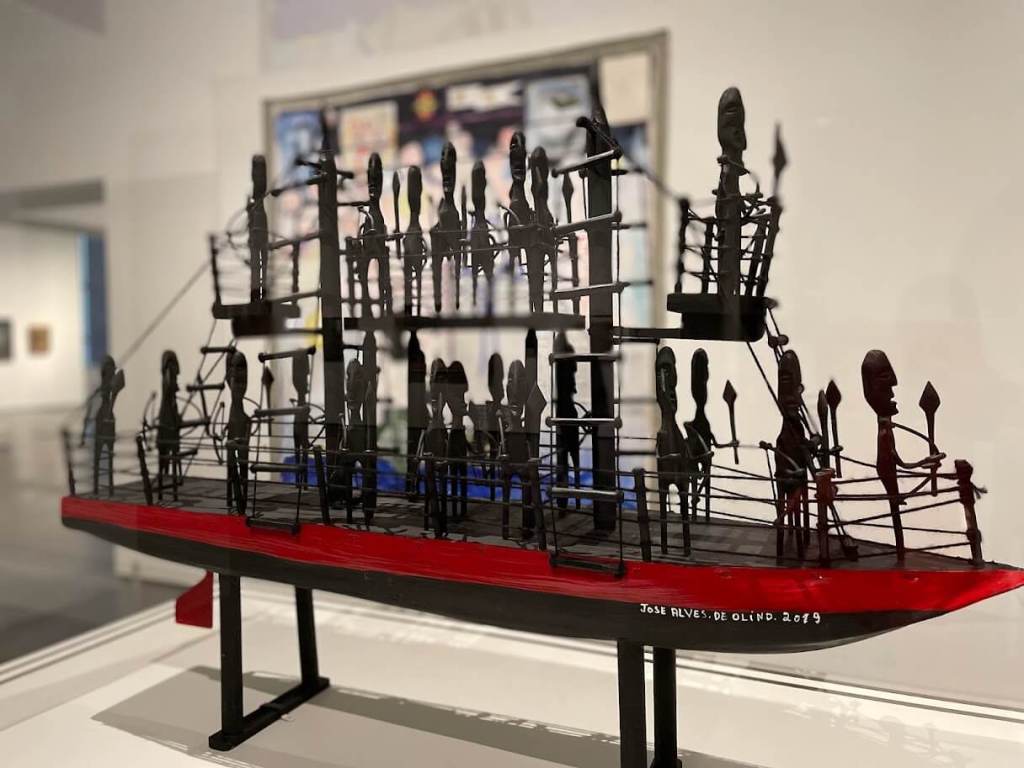


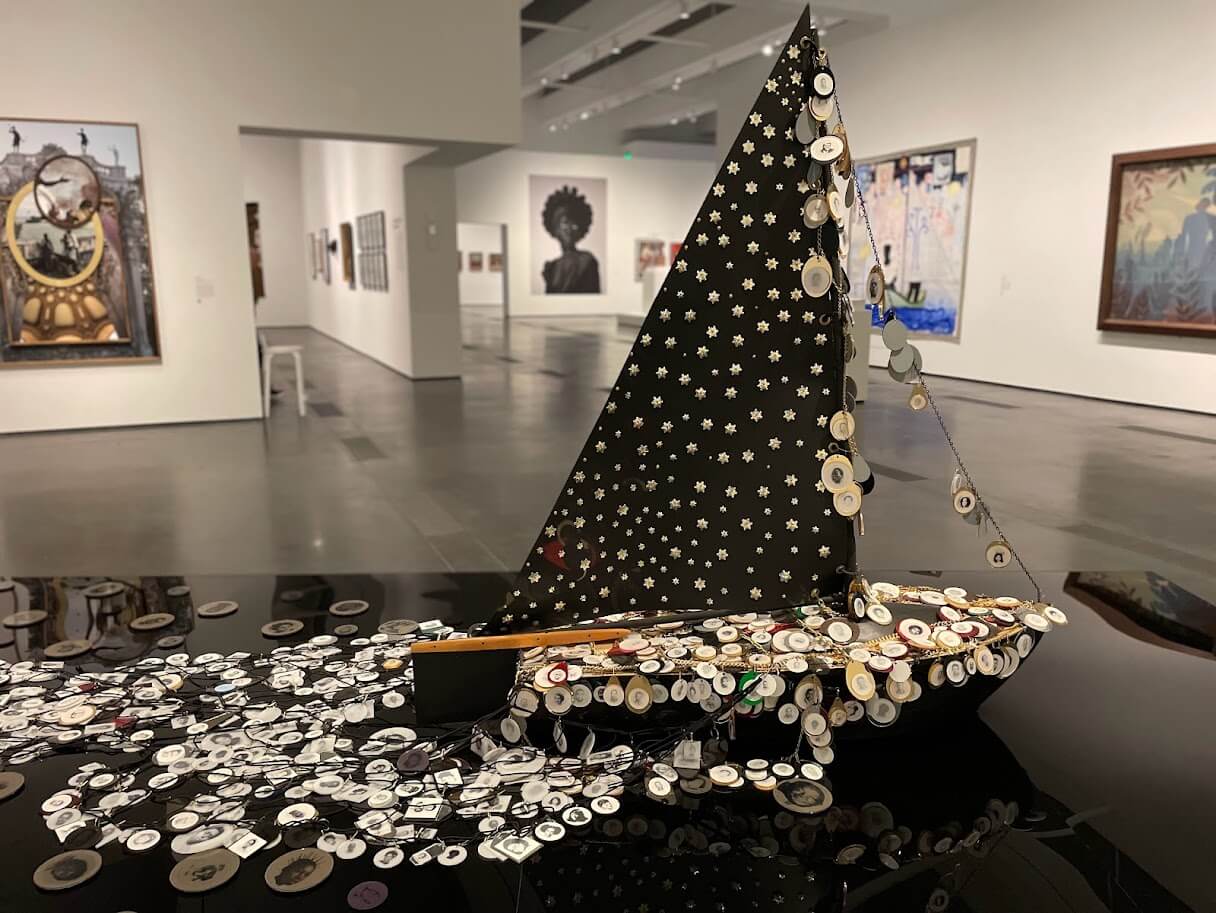
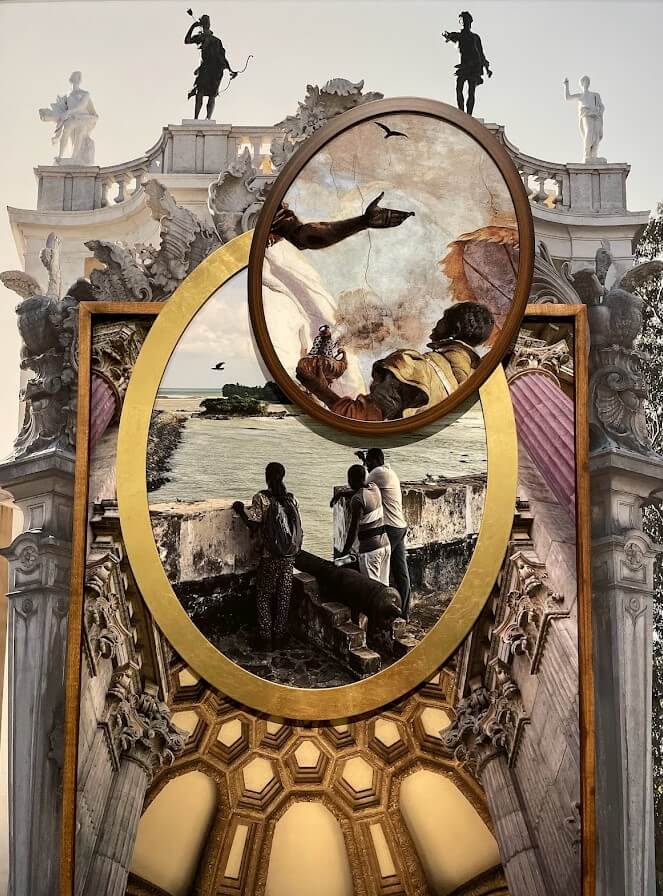
- Enslavements and Emancipations is a glimpse into slavery horrors and cruelty as well as the fight and struggle for freedom.
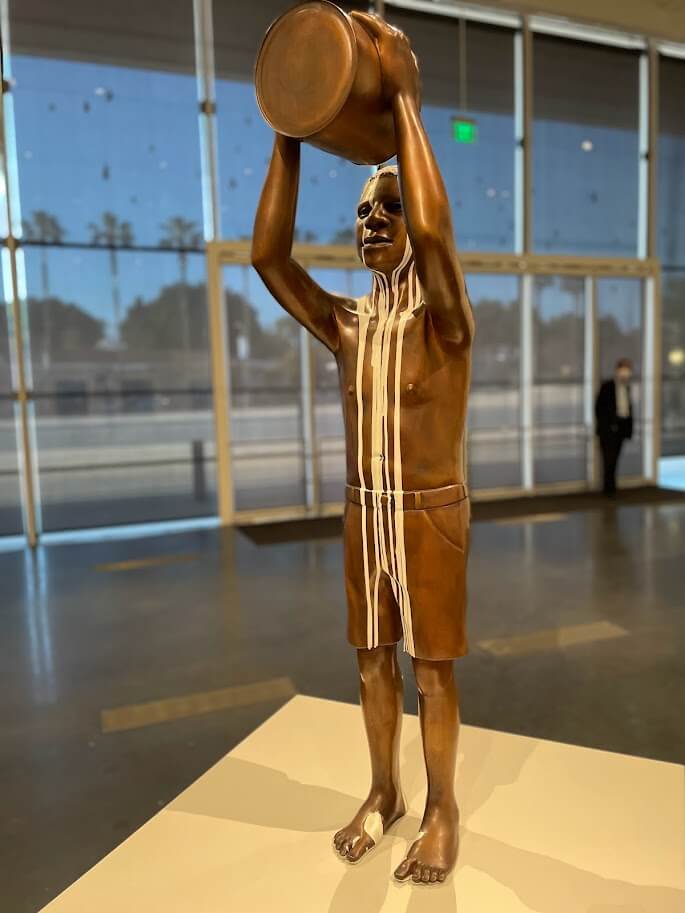
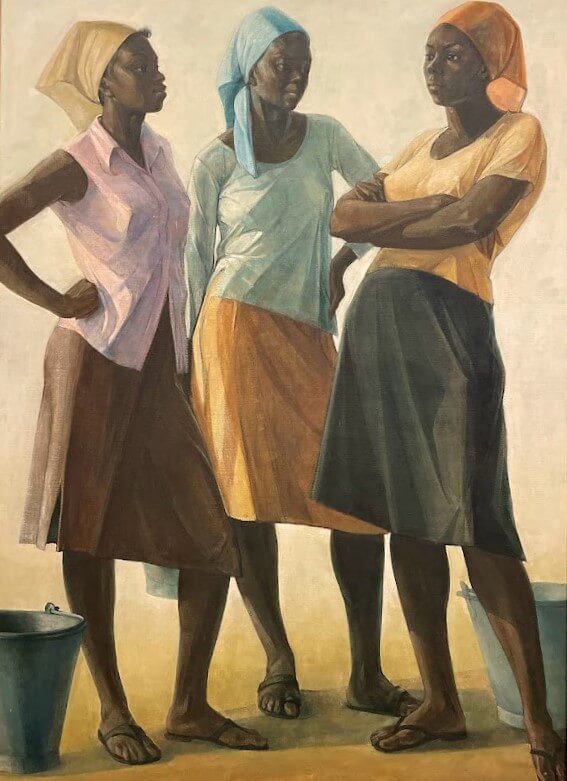
- Everyday Lives depicts black communities’ life in the Americas or Europe.



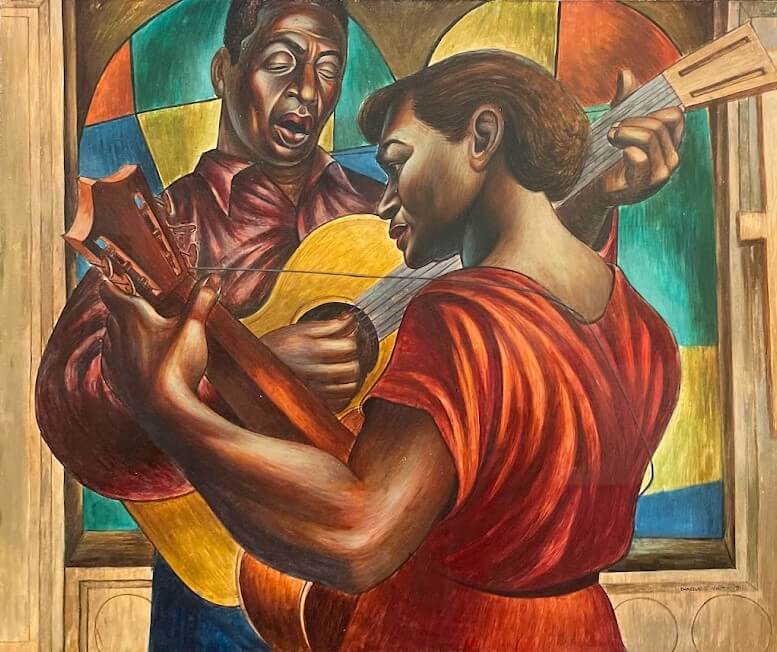
- Rites and Rhythms are dedicated to musical and dancing traditions. From Jazz in the U.S. to samba in Brazil. From Vodou in Haiti to Revivalism in Jamaica.


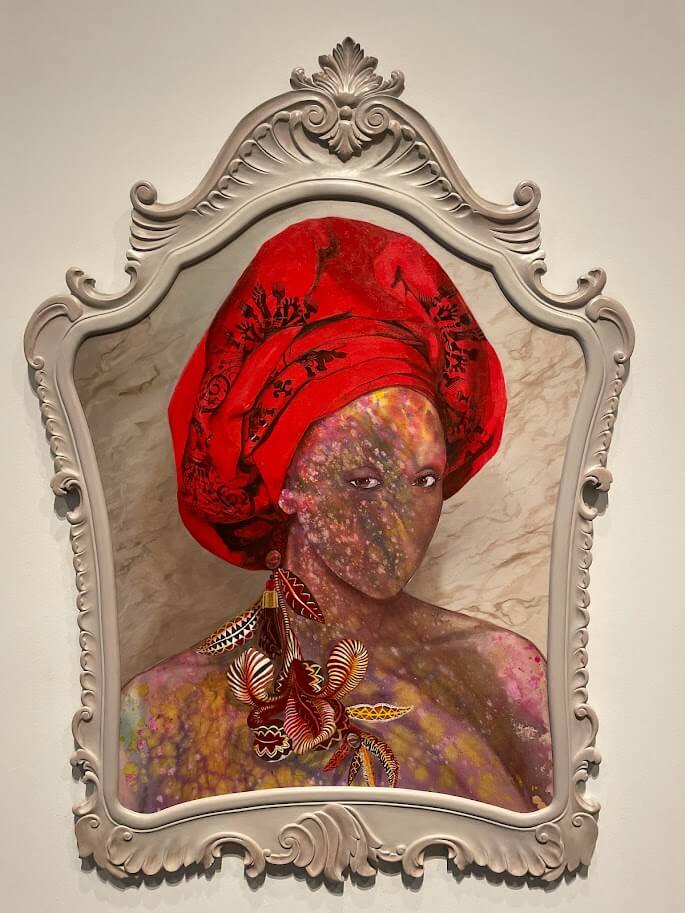
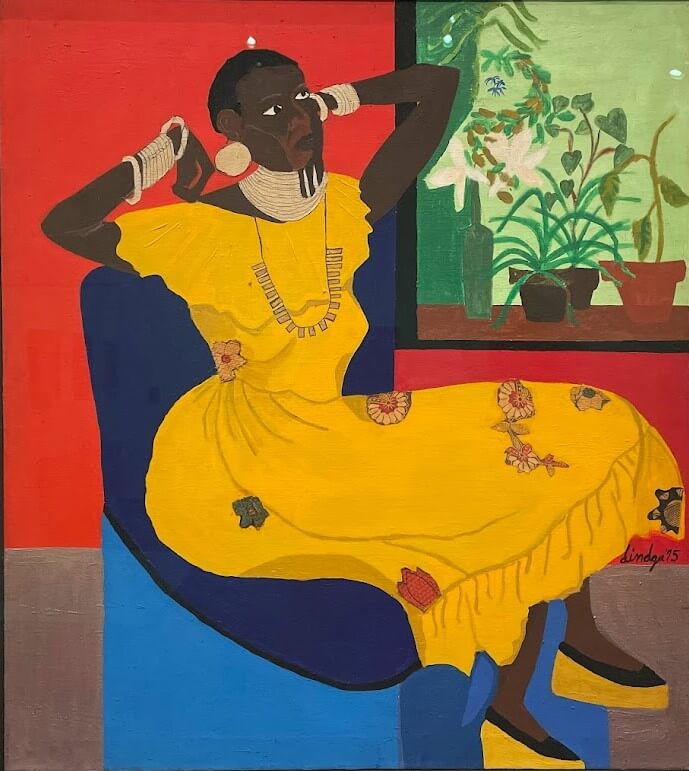
- Portraits present rare representations of Black portraits, from leaders to individual contributors.


- Resistances and Activism showcase activism from free and enslaved black people.


Highlights
Zeferina, and João de Deus Nascimento (2018) by Dalton Paula
These two portraits were commissioned for the Museu de Arte de São Paulo exhibit in 2018. Brazilian artist Dalton Paula portrayed two leaders who fought for freedom. There are no images or portraits of Zeferina and João. Artist Dalton Paula was inspired by Brazilian photographs from the 19th century. The blue background is a reference to the photo-portrait and highlights the importance of these two characters.

From Angola, Zeferina was enslaved as a child. She joined Quilombo do Urubu, a community composed of former slaves and Indigenous people. They fought for freedom and against the slave system. In 1826, the police suppressed this “rebellion” and killed Zeferina.
João de Deus Nascimento (1771-1799) was one of leaders of the Bahian Conspiracy in Brazil. The objectives of this movement were to free enslaved people and instore an independent republic. Portuguese authorities repressed it in blood in 1798.
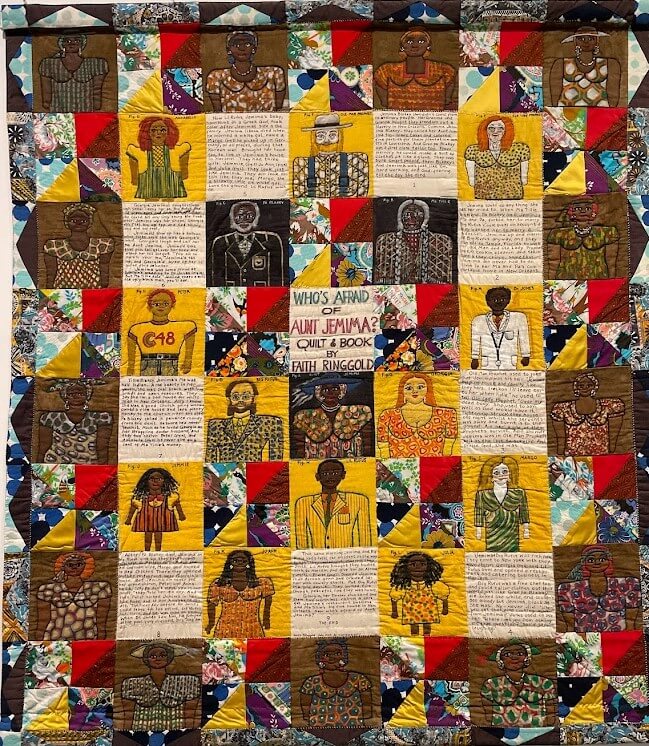
Who’s Afraid of Aunt Jemima? (1983) by Faith Ringgold
American Faith Ringgold re-wrote Aunt Jemima’s story to fight stereotypes. This quilt combines 56 texts and painting squares describing Jemima as a successful black businesswoman.
Article based on my visit in April 2023
Ready to learn about Histories?
Plan your visit:
- Exhibit on view from December 11, 2022 – September 10, 2023
- Location: Los Angeles County Museum of Art (LACMA), 5905 Wilshire Blvd., Los Angeles, CA 90036
- Hours: 11:00 am-6:00 pm Monday, Tuesday, Thursday, 11:00 am – 8:00 pm on Friday and, 10:00 am-7:00 pm on weekends. Closed on Wednesdays, Thanksgiving Day, and Christmas Day.
- Admission: $25 per adult, free after 3 pm Monday-Friday for L.A County resident. Advance timed-entry reservations are recommended.
- Duration: I spent 1 hour discovering it.
- Parking: paid on-site lot and street parking
- More information is available at https://www.lacma.org/art/exhibition/afro-atlantic-histories
If you enjoyed this post, please leave a comment and share it with an art lover.

 DayDream Under the Stars