
3 minutes read
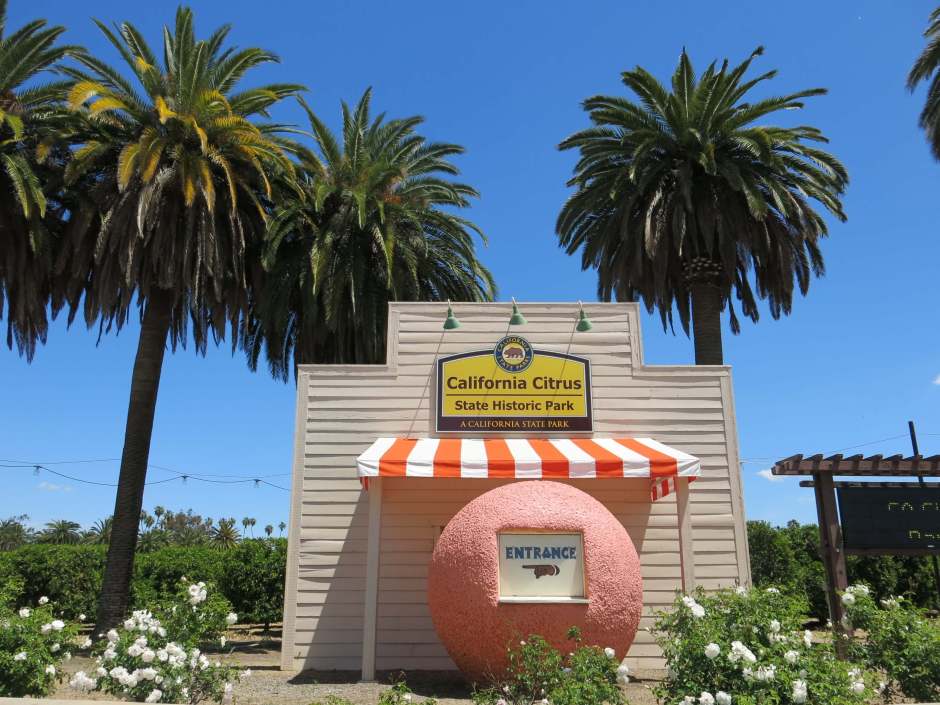
A glimpse of California’s “second Gold Rush” exploring a state park dedicated to the citrus history and industry. Let’s taste these Californian Golden fruits!
The fascinating citrus History from China to California
Step inside the visitor center to explore the history of citrus from its origin in China to California.


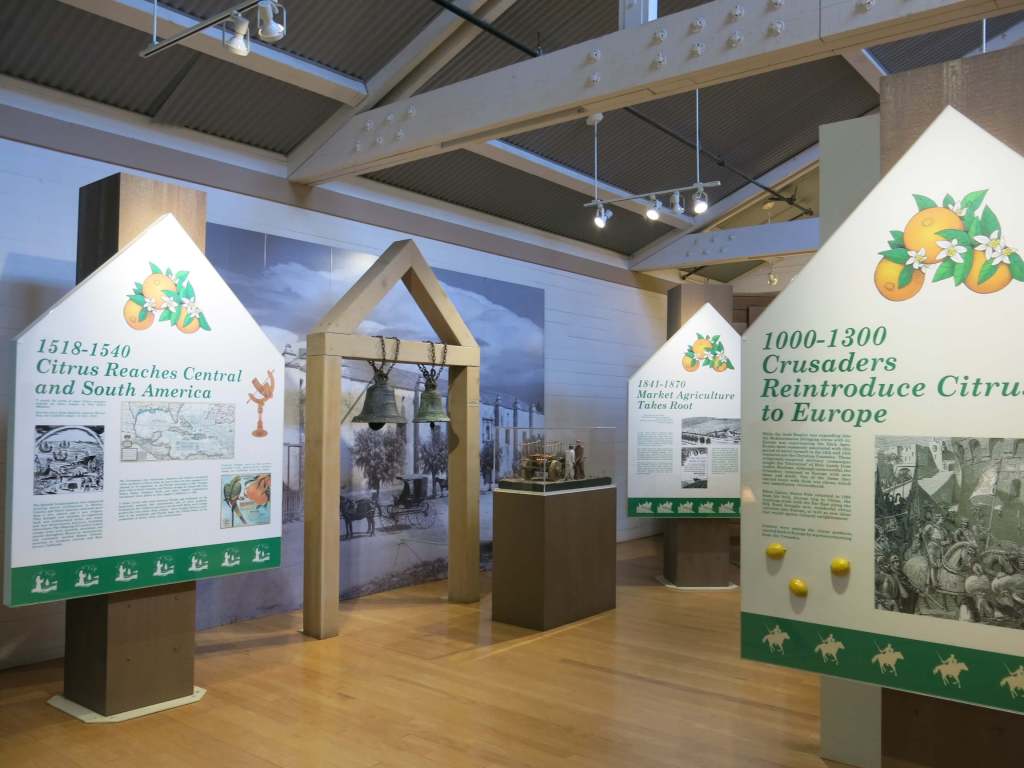
Historical records indicate that 27 varieties of citrus were cultivated 5,000 ago in China. It was the beginning of the citriculture.
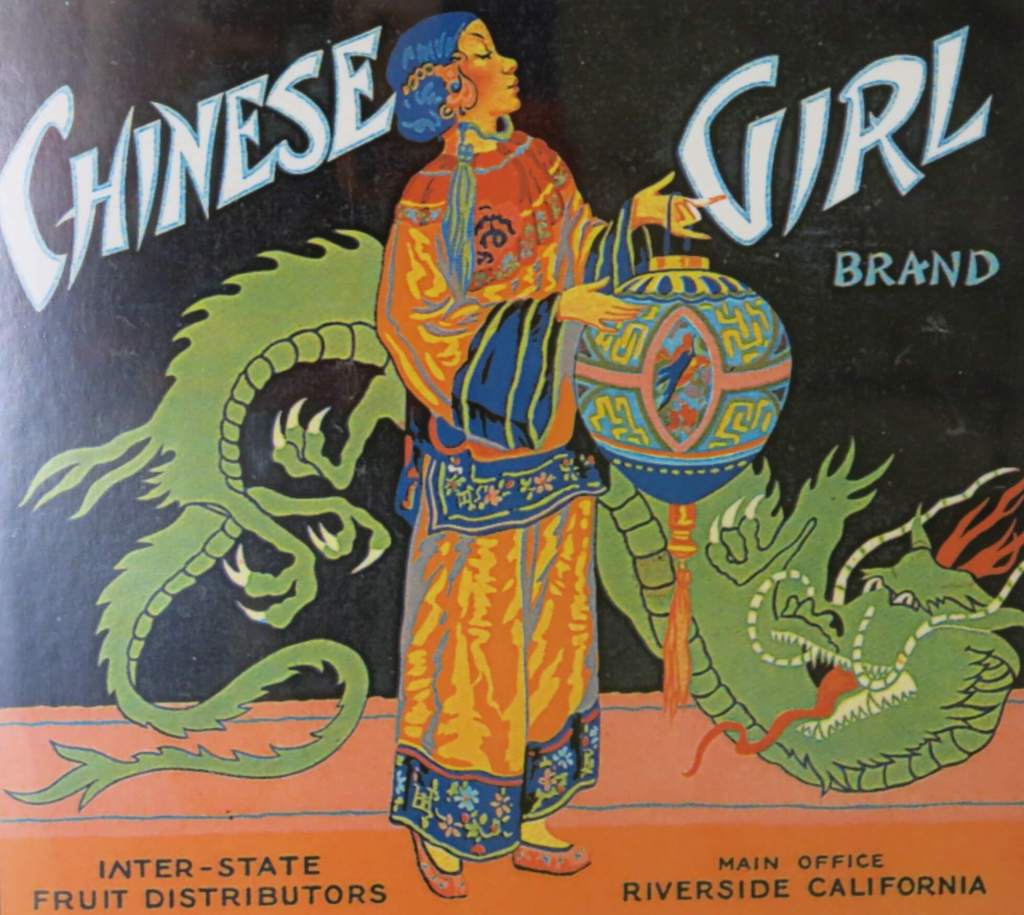
500 B.C., the Silk Road exchange introduced citrus to the Middle East and Europe. Coins from A.D. 66 depict a citron alongside this text: “the fruit of the goodly tree.”

Romans developed “orangeries,” greenhouse structures to protect plants from cold winters. Unfortunately, citrus vanished from Europe at the fall of the Roman Empire. They were re-introduced 400 years later by Christian crusaders.
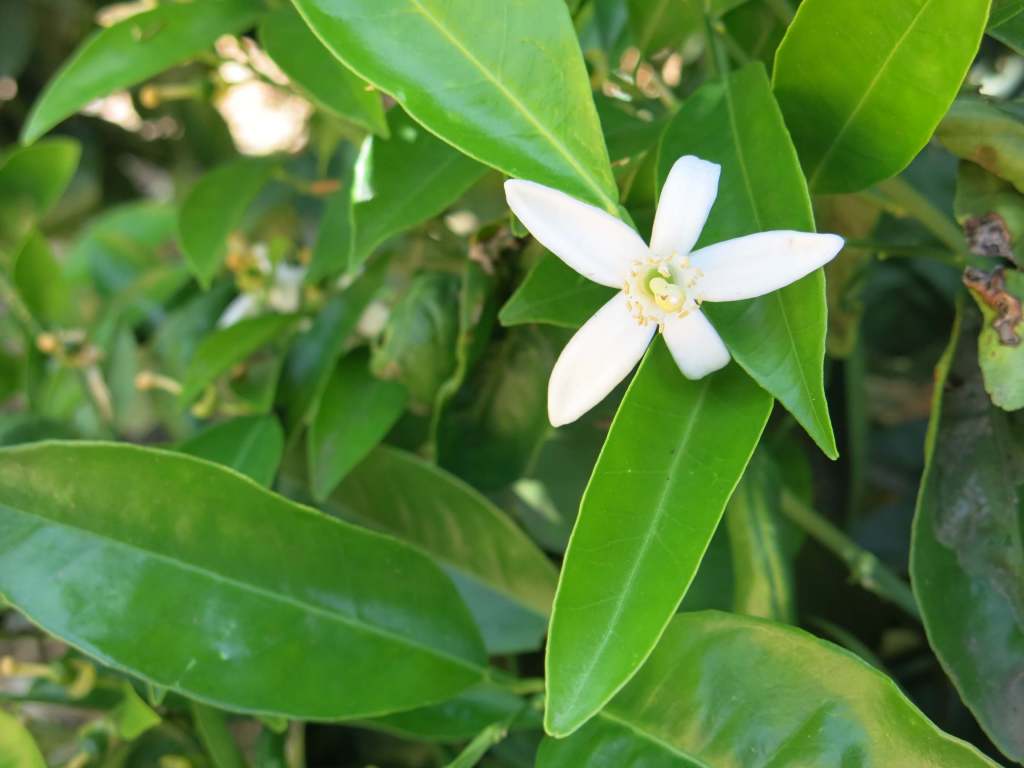
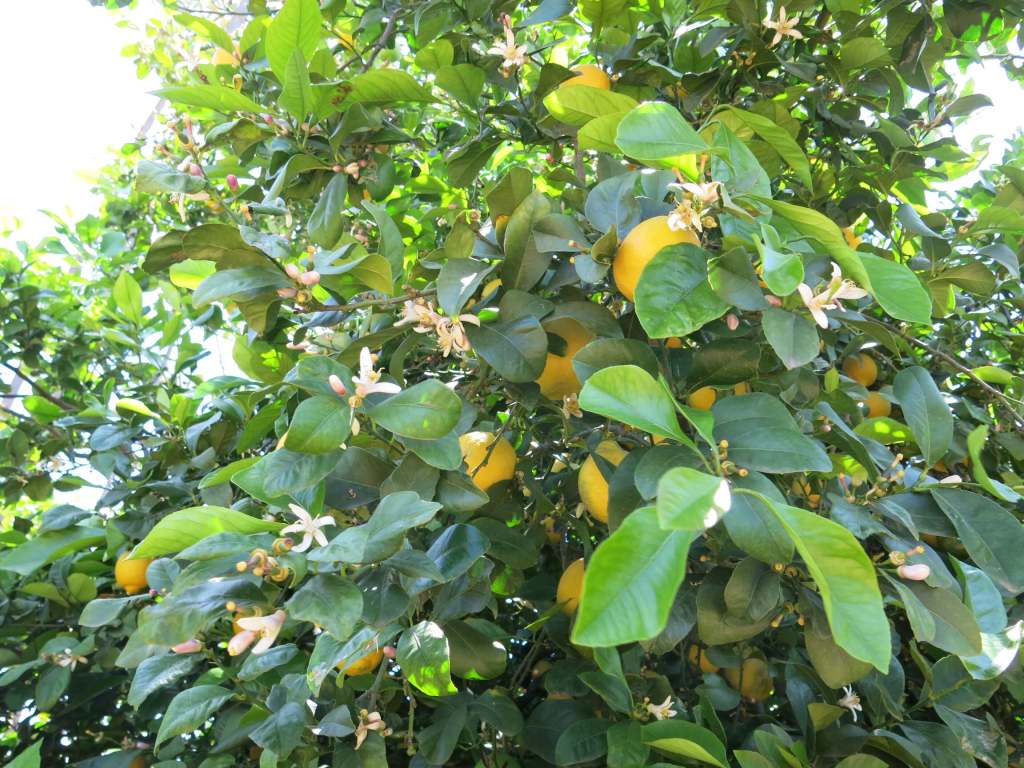

In the 1500s, European introduced citrus to the Americas and discovered a natural medicine for scurvy, the deadly disease for sailors.
Did you know?
Grapefruit is the result of a pomelo and an orange crossing.

The first citrus trees grew in Florida in 1565. 202 years later, they were planted in California’s Missions. By 1834 Frenchman Jean Luis Vignes was the first independent landowner to develop a citrus grove for his 104-acre property in Los Angeles.
However, Eliza Tibbets is considered the founder of California’s citrus industry. Around 1873, she received Bahia navel orange trees (Brazil) from William Saunders of the U.S. Department of Agriculture. These fruits turned out to be exquisite: sweet and seedless.

California Citrus Dreaming
In the 1900s, the California citrus industry attracted businessmen and workers alike.
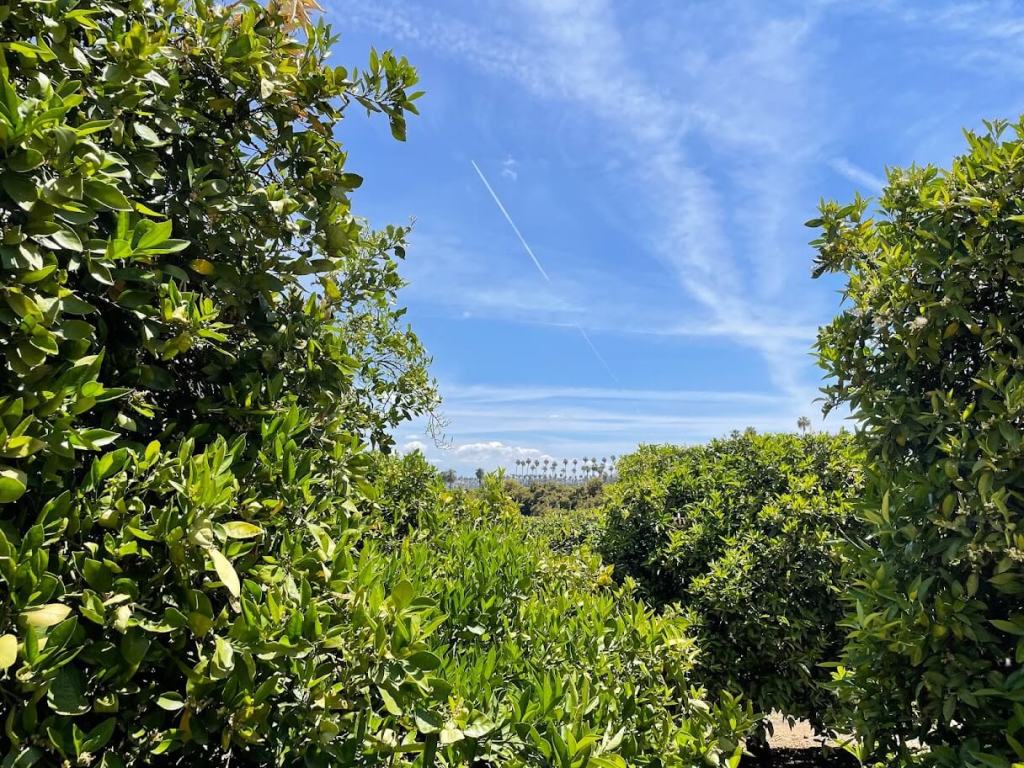
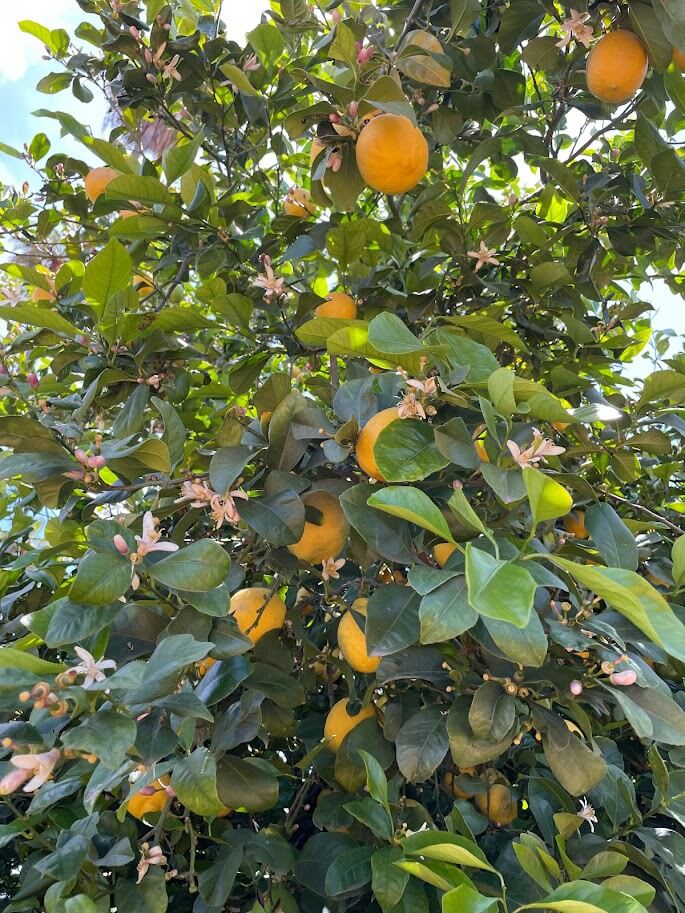
According to Citrus historian Harry Lawton, citrus growers were “retired business or professional men from New England and the central states, usually, men of intelligence and education…. these men had little knowledge of the old world practices of citrus production. Because they were acquainted with other business practices outside of agriculture they were better able to organize an industry along new lines of picking, packing, and marketing fruit. *”
* Source Harvest of the Sun, an illustrated history of Riverside County by James T. Brown, page 114.

Did you know?
Palm trees were planted to mark the road. It was also a sign of prestige.

In addition to skilled businessmen, irrigation, conservation, and distribution were key elements to develop this industry.
In 1889, Matthew Gage completed the construction of an 11.9 miles canal from the Santa Ana River to the orchards in Riverside. Reinforced since this canal is still in use today to supply water.
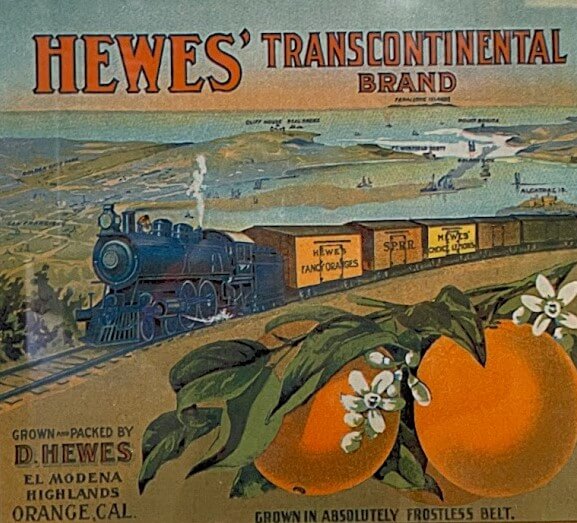
California golden fruits reached Eastern markets in 1886 thanks to the development of transcontinental railroads. It was fast, reliable, and a commercial success. A few years later, refrigerated railroad cars (also called reefer) were created to preserve these perishable products. Icing stations outposts were located at regular distances to replace melted ice.
Did you know?
Before 1965, heathers were placed on orchards to avoid freeze during winter.

Depending on the political and historical context, citriculture brought multiple immigrant nationalities over time.
In the late 1800s, Chinese contractors were the first horticultural skilled workers. By 1900, they were replaced by Japanese professionals, and by 1919 Hispanic communities substituted most of them.


Before the 30s, 70% of the U.S. production was from California. Disease and urbanization negatively impacted acreages, and production. In recent years, Florida led the American production (less than 70% of the national market).
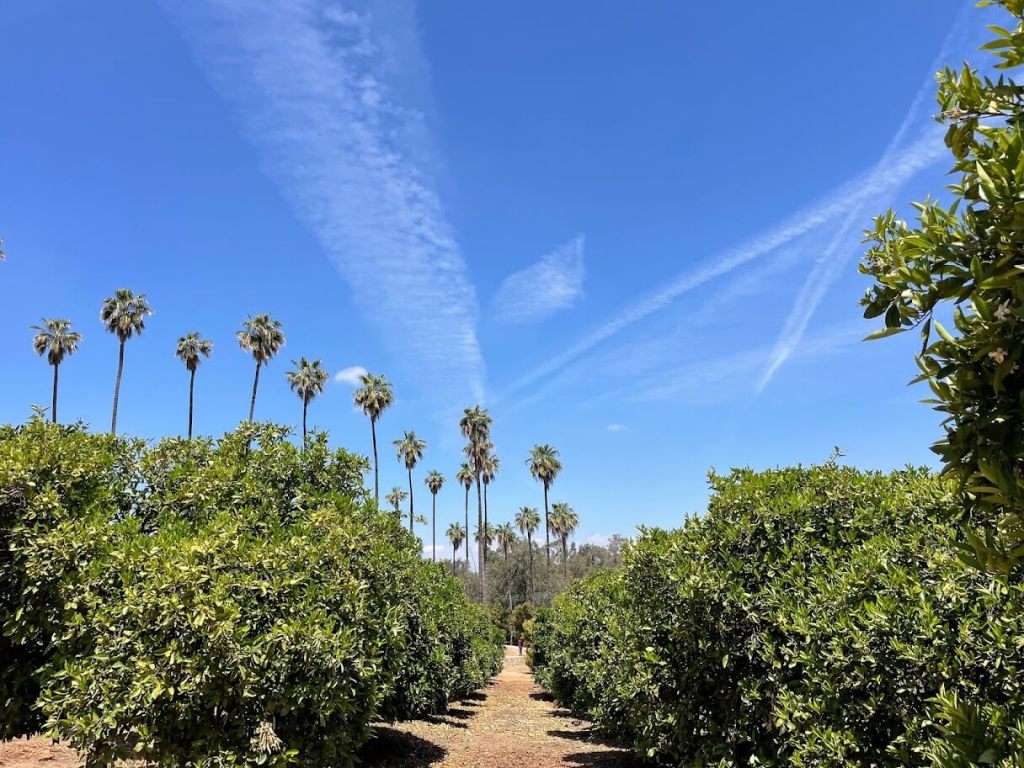
Today, CA Citrus State Park is a 248-acre museum and orchard dedicated to the California citrus industry. I recommend the guided tour led by rangers. You will explore orchards, taste some varieties and learn more about citriculture.

At the entrance of the park, you will find the below shop to buy citrus.
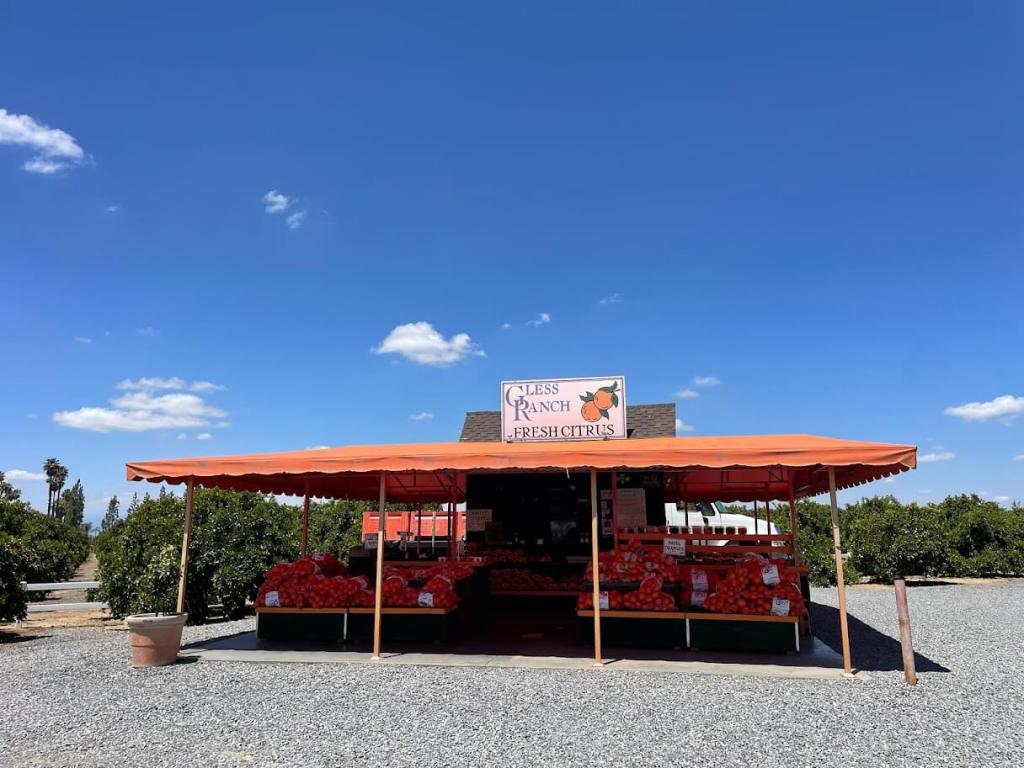

Article based on my visit in May 2023
Ready to explore citrus History?
Plan your visit:
- Location: 9400 Dufferin Ave.Riverside, CA 92504
- Park Hours: 8:00 am-5:00 pm
- Visitor Center: 10:00 am-4:00 pm Friday-Sunday.
- Admission: $7 per vehicle.
- Duration: I spent 2.5 hours discovering it.
- Parking: free on-site lot
- More information is available at https://www.parks.ca.gov/?page_id=649
If you enjoyed this post, please leave a comment and share it with a history lover.

 DayDream Under the Stars