

2 minutes read
Look into the fascinating world of aviation’s early history at the Pearson Air Museum. Discover stories about the pioneers of aeronautics and learn about the significant role of the lumber mill in shaping the U.S. Aviation industry.
Aviation Pioneers
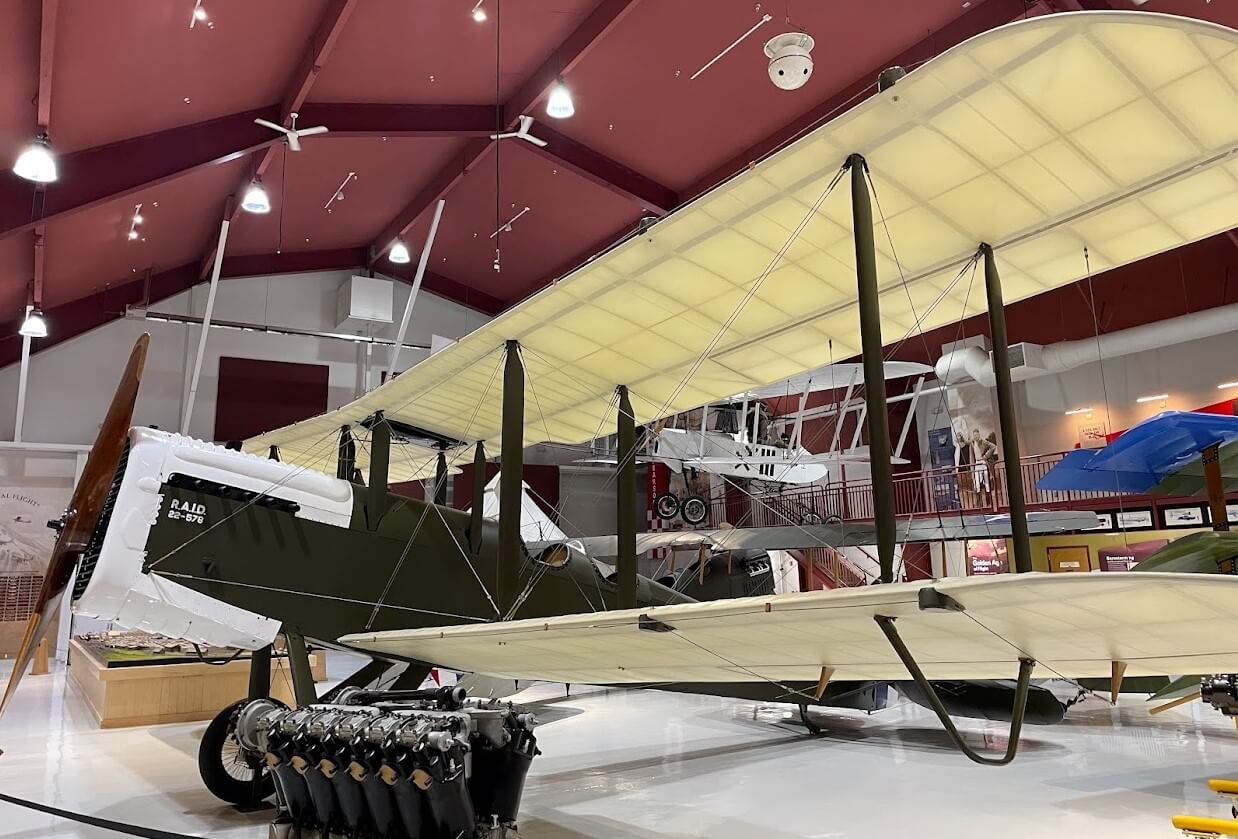
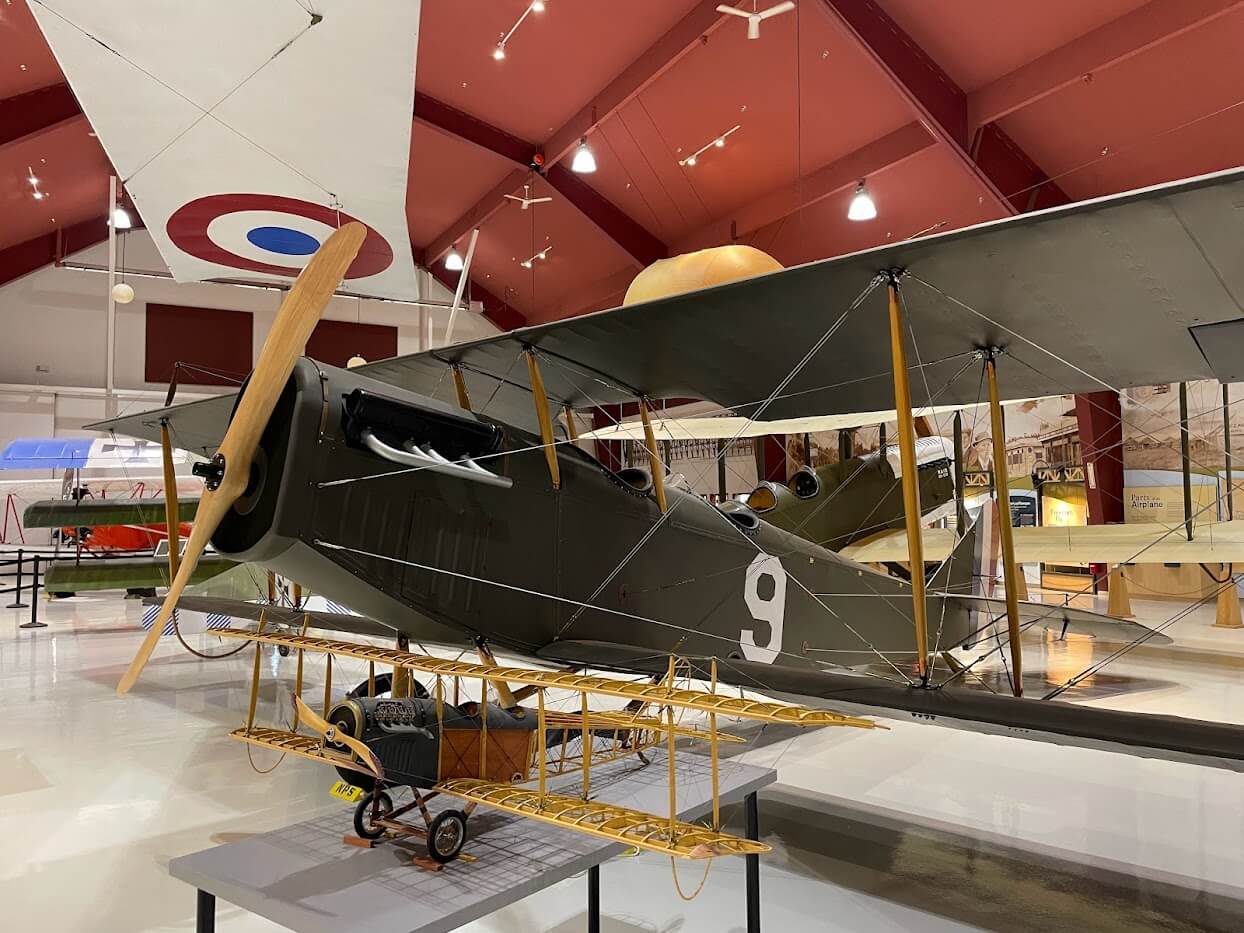
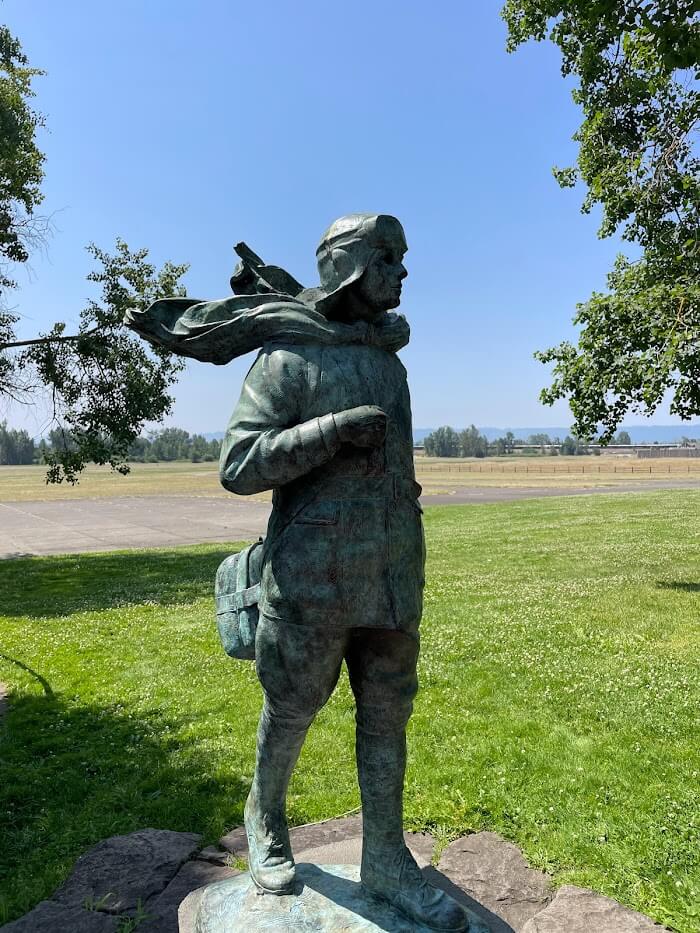
The Pearson Air Museum displays a variety of pioneering aircraft along with stories of visionaries who flew on these early planes. From the 1900s, aviation amateurs took over Pearson’s open field as their experimental ground, marking the beginning of an era of innovation in flight. Here are some of their successful stories.

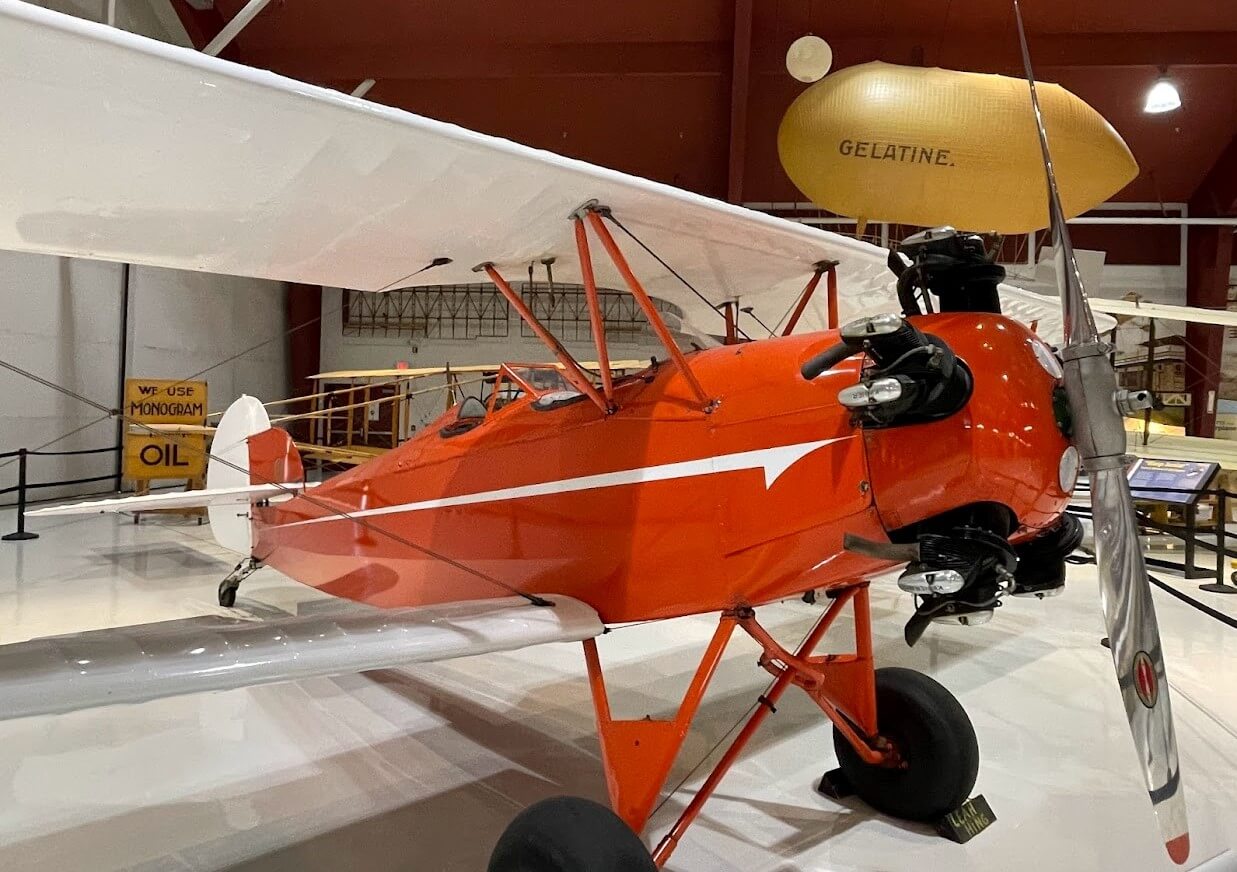
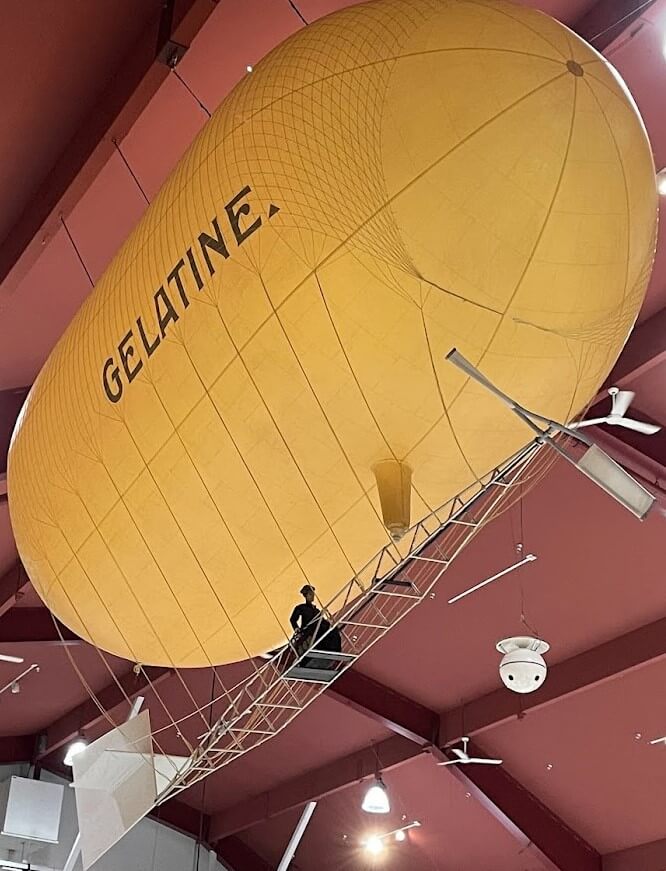
Lincoln Beachey was known as the “Man who owns the sky.” He marked history on September 19, 1905, when he flew from the Lewis and Clark Centennial Exposition in Portland to Vancouver barracks. The 40-minute flight onboard the Gelatine was the first powered, controlled flight over the Columbia River.
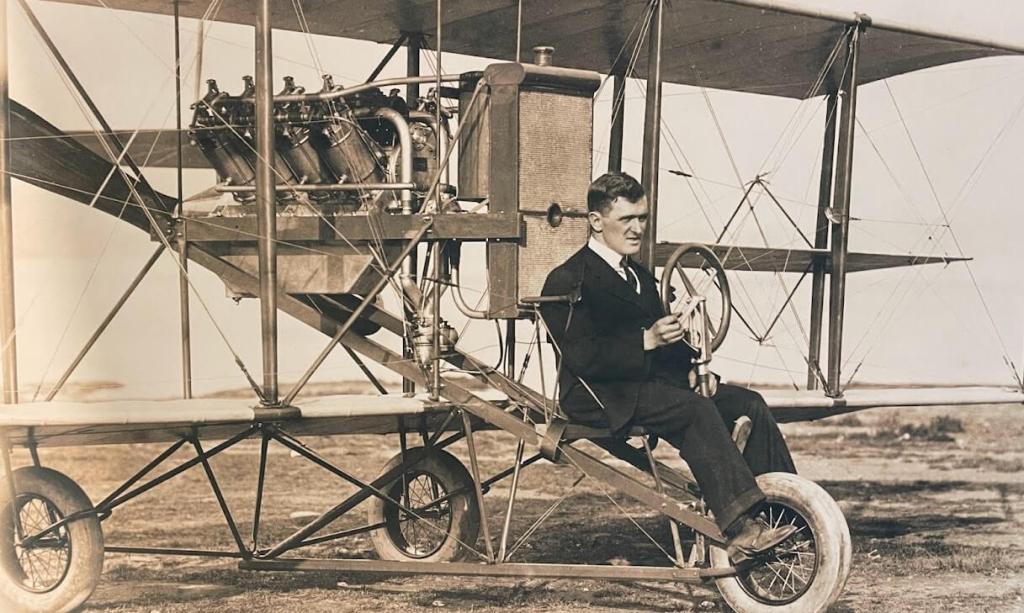
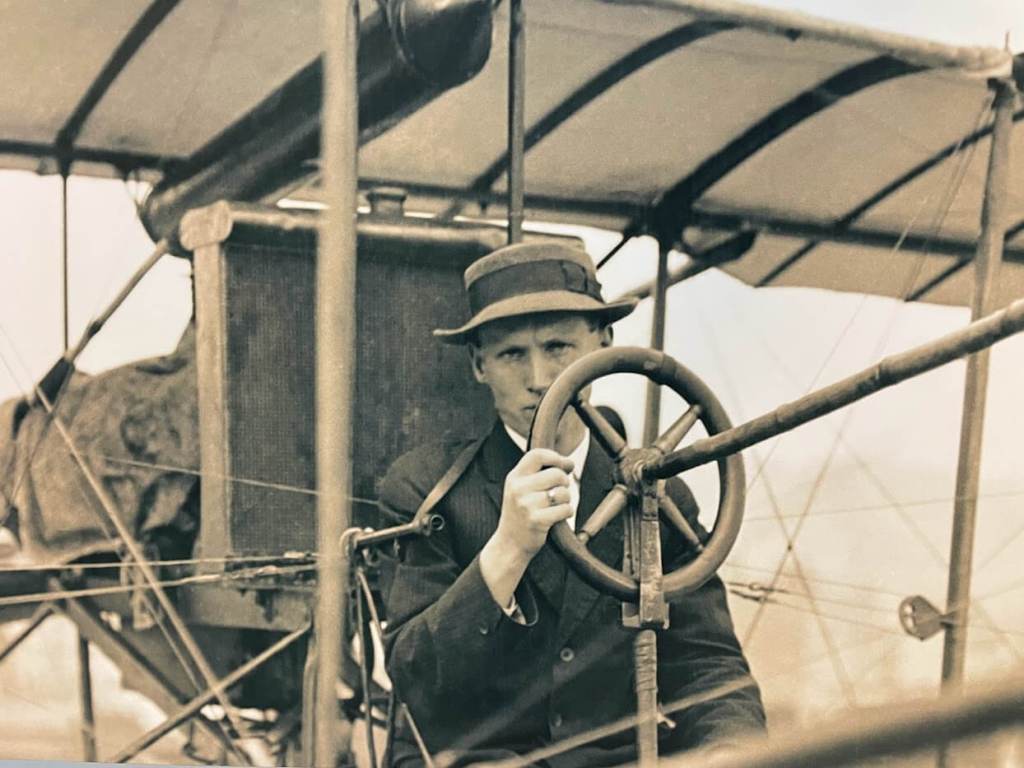
Aviation enthusiasm, Charles “Fred” Walsh was the first pilot to fly an airplane in Vancouver, WA. In 1911, he flew a biplane, a Curtis Pusher, from the Pearson field. Three years before, Lincoln Beachey taught him to fly. Then, he became a professional exhibition aviator, designing and building many prototypes.

Silas Christofferson‘s most notable achievement is his flight onboard a homemade Curtiss Pusher-type biplane from the Multnomah Hotel rooftop in downtown Portland to Pearson Field in 1912. This eager amateur built and flew a monoplane based on photography from Louis Bleriot’s airplane.

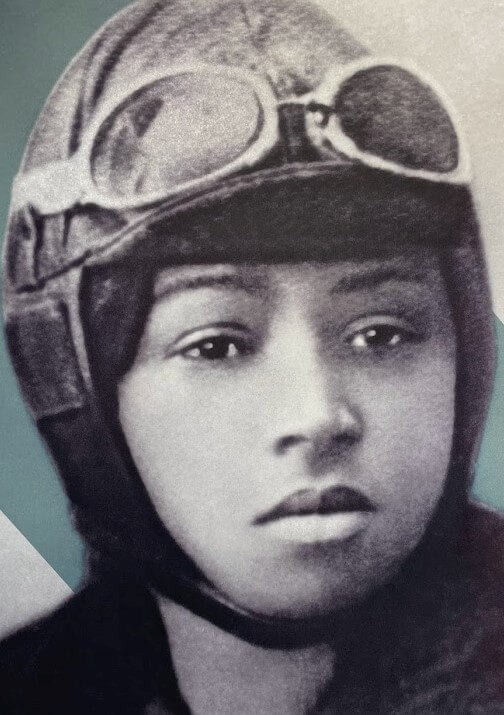
In the early years, discrimination and racism were barriers to fly. Bessie Coleman broke it in 1921 when she became the first African American woman and the first Native American woman to hold a pilot’s license…from France!
Did you know?
“Pearson Field is one of the nation’s oldest continuously operating airfields” (*)
(*) Source: https://www.nps.gov/fova/learn/historyculture/peopleatpearsonfield.htm
Timber spike
Airplane construction skyrocketed during World War I. The U.S. Army realized the tactical advantage and value of aircraft during wartime. They created the Spruce Production Division in 1917 to manage logging operations. The Vancouver barracks welcomed more than 26,000 soldiers from 1917-1919. Alongside lumberjacks and millworkers, they produce Sitka spruce lumber to build planes.
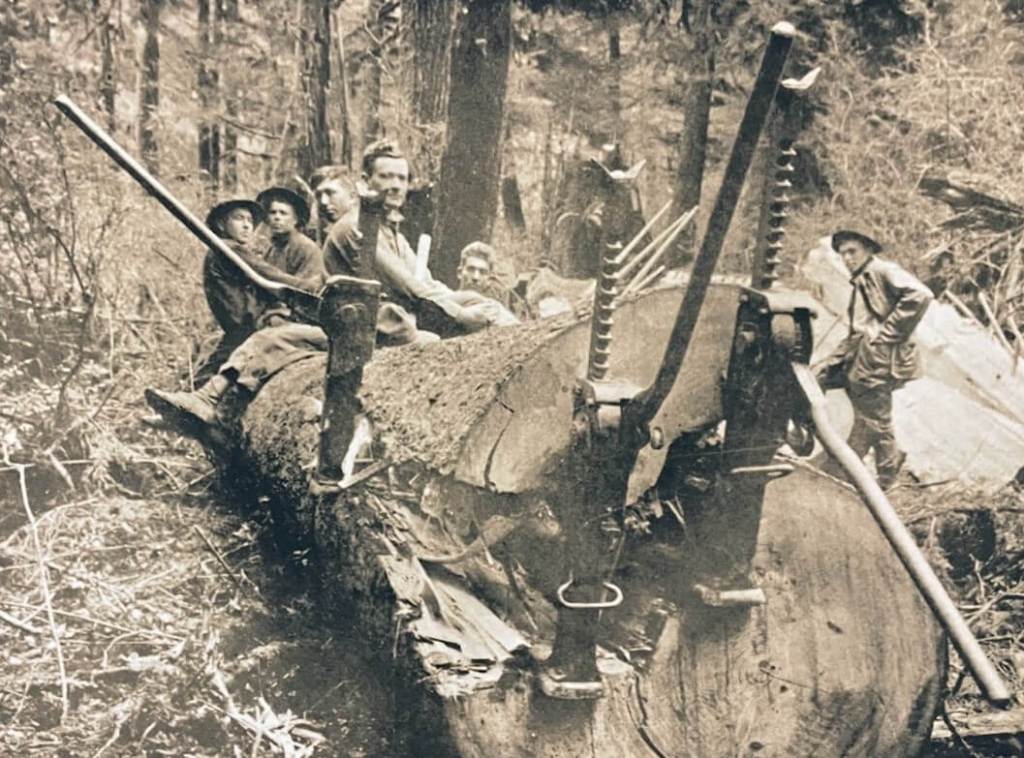
To accommodate the 24/7 operations, the “tent city” hosted more than 800 tents.

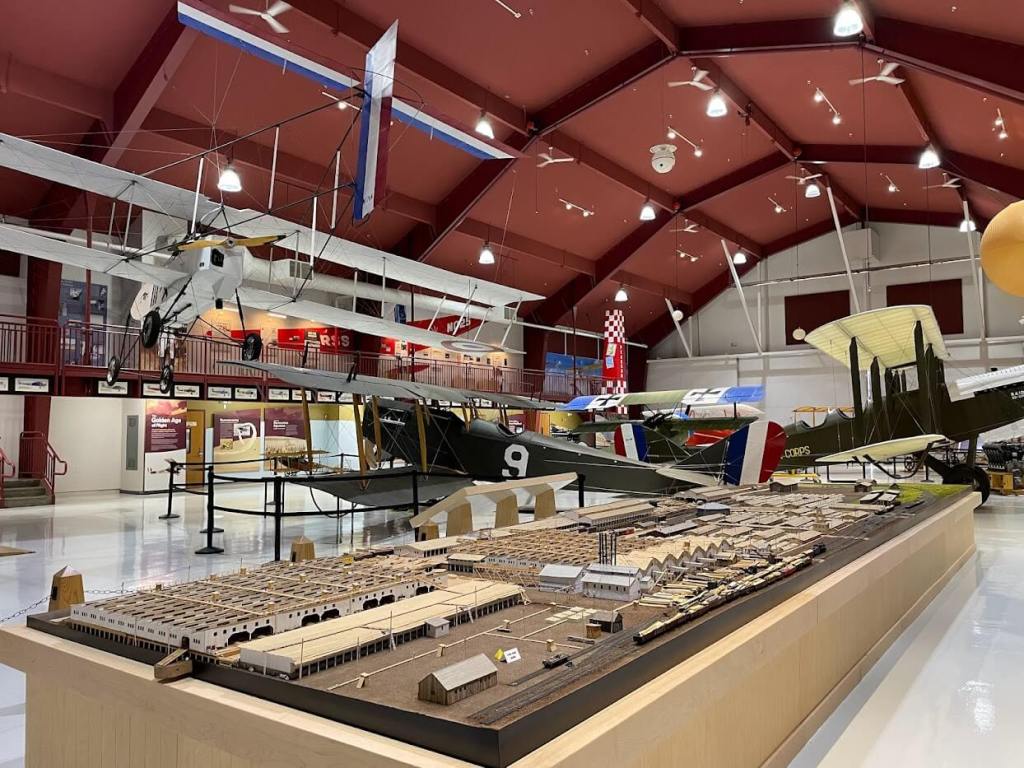
Based on my visit on July 2023
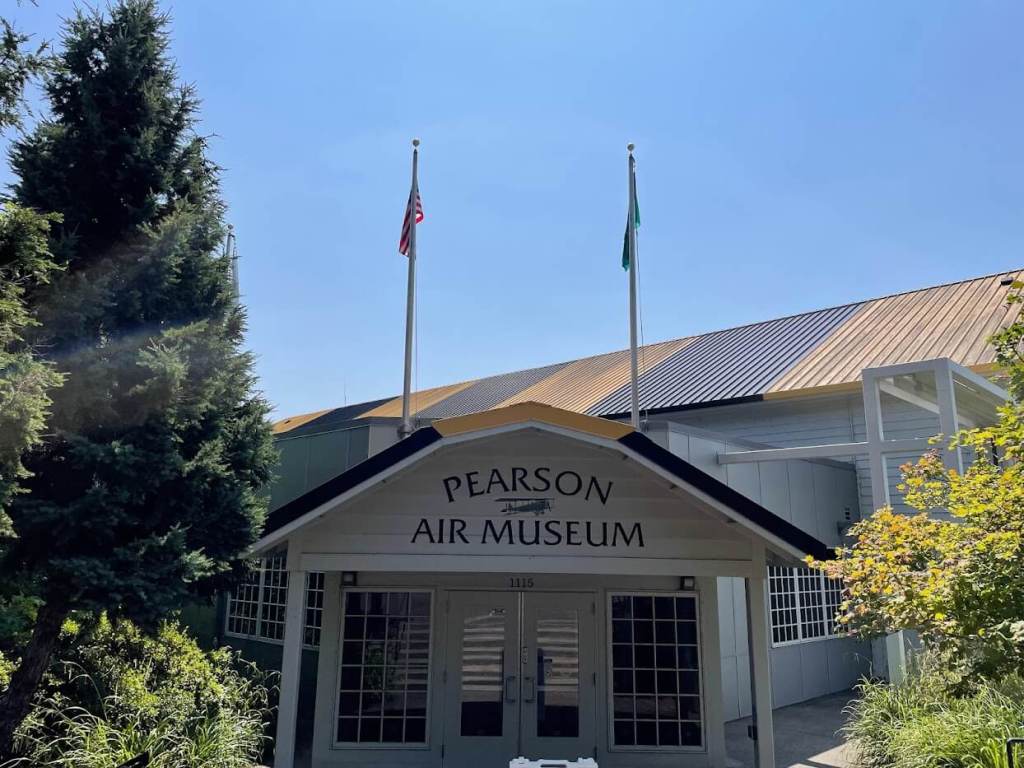
Are you ready to explore the Pearson Air Museum?
Pin/Save/Share if you take a day trip to the Pearson Air Museum!
Plan your visit:
- Location: 1115 E. 5th Street, Vancouver, WA 98661
- Hours: 09:00 am-4:00 pm Tuesday-Saturday, closed on Sunday – Monday and Public Holidays.
- Admission: Free.
- Duration: I spent 30 minutes discovering it.
- Parking: free parking onsite
- More information is available at https://www.nps.gov/fova/planyourvisit/pearsonairmuseum.htm
Thank you for reading this post. I hope you found it useful and interesting. If you did, please let me know by leaving a comment below 😉

 DayDream Under the Stars