

2 minutes to read.
Welcome to the exploration of the fish diversity, salmon business, and unique fishing traditions of the Columbia River. Come aboard to navigate these fascinating waters and discover practices that have influenced both culture and livelihoods.
The fish diversity on the Columbia River

Several fish species, such as chinook, coho, sockeye salmon, steelhead, and chum migrate to the Columbia River. These fish originate from various rivers that are part of the expansive Columbia River watershed. Here, they spawn and reach the end of their life cycle. After a few weeks, their young embark on their own migration. They eventually return as adults to their birthplace to spawn, repeating the cycle.

The Salmon Business


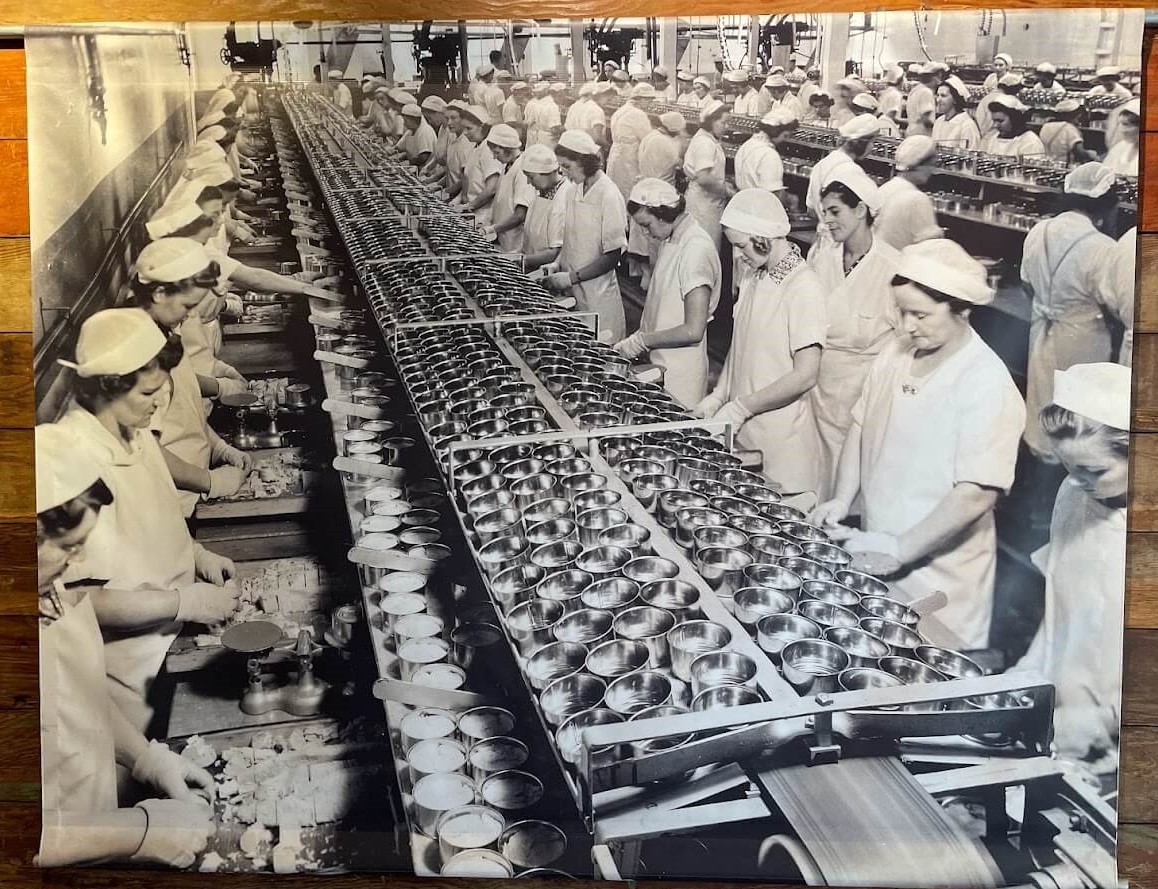
Salmon trade was an integral part of Native American culture and economy. Dried or smoked, salmons were traded for goods and services between tribes. By the 19th century, European settlers began to exploit the conservation of salmon by salting them in barrels. As the salmon business extended nationally to Hawaii and the eastern U.S., canning became a popular method of preserving salmon. As the demand rose worldwide, canneries rapidly opened. By the early 1880s, there were more than 35 canneries on the Columbia River.
Today hatcheries alleviate the decline in salmon population caused by overfishing in the 19th century and environmental changes in the 20th century. By producing and nurturing fish, hatcheries augment the natural production to support the fishing industry.

Horse-Seining and Drift Rights: The Unique Fishing Traditions on the Columbia River
Certain fishing practices and customs were distinctive of the Columbia River.
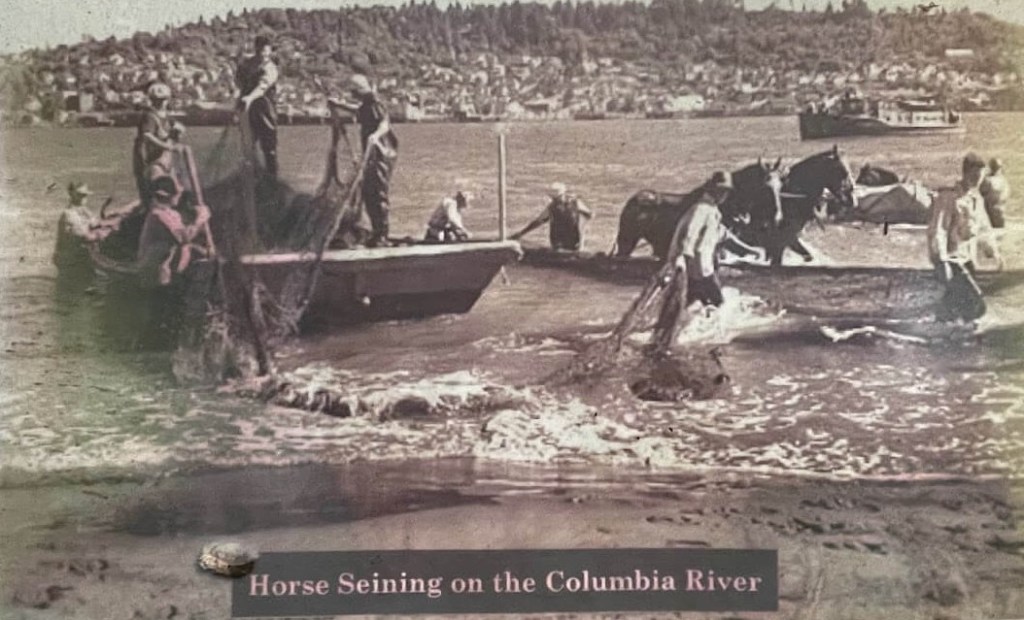
In the late 1800s, horse seining was a widespread fishing technique. During ebb tide, horses harnessed to pull a seine net anchored upstream. As the tide receded, horses and fishermen moved downstream, capturing salmon as they migrated upstream. At its peak, there were up to 1000 seines net in use, representing a significant 15 percent of the overall catch.
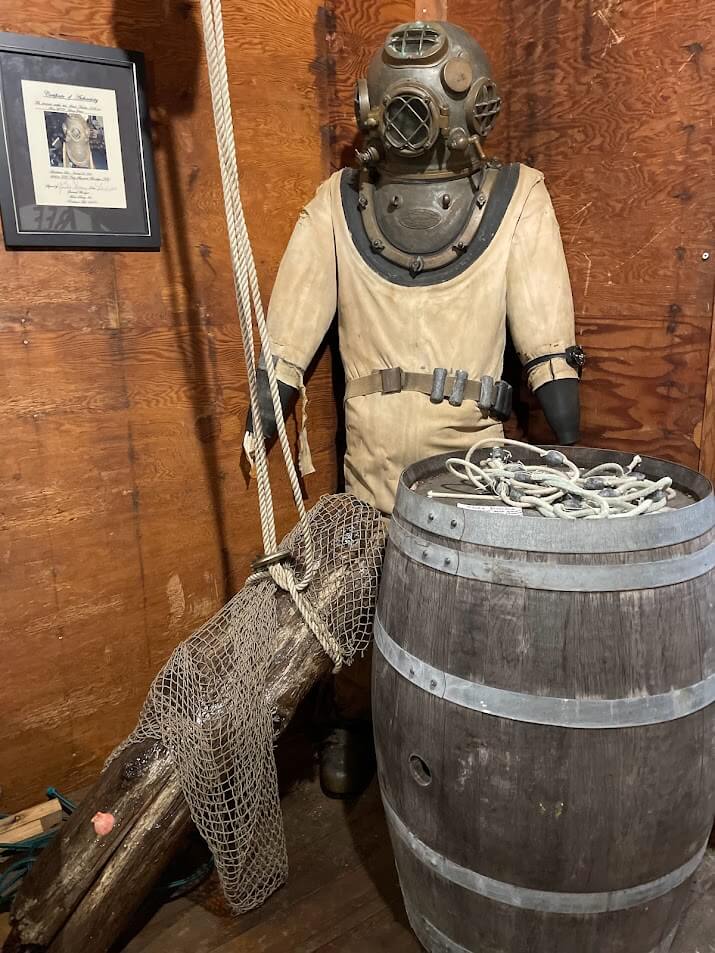
The “Drift Rights” were also specific to the region. Regrouped under “snag unions,” fishermen hired skilled divers known as snag divers. Their mission was to clear debris off the riverbed. By removing obstacles, fishermen earned the right to fish.
The Hanthorn Cannery
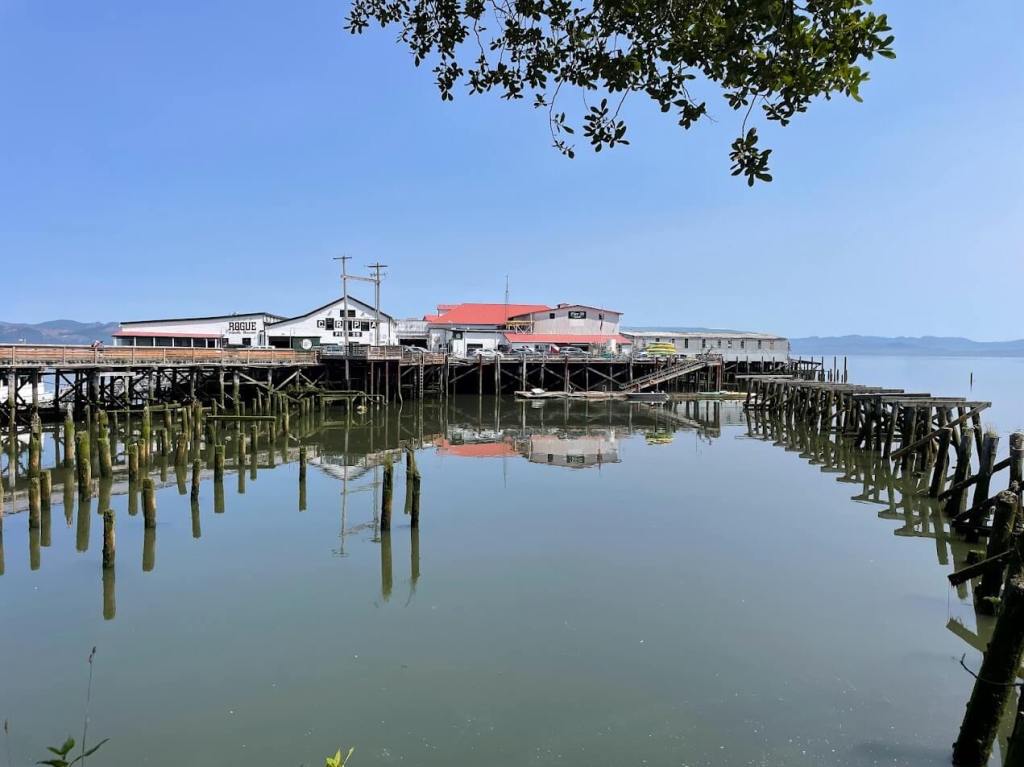
In 1875, J.O.Hanthorn opened the Hanthorn cannery. The oldest cannery pier on the Columbia River produced 30,000 cases of canned salmon in 1894. Three years later, Hanthorn and six other canneries created the Columbia River Packers Association (CRPA).
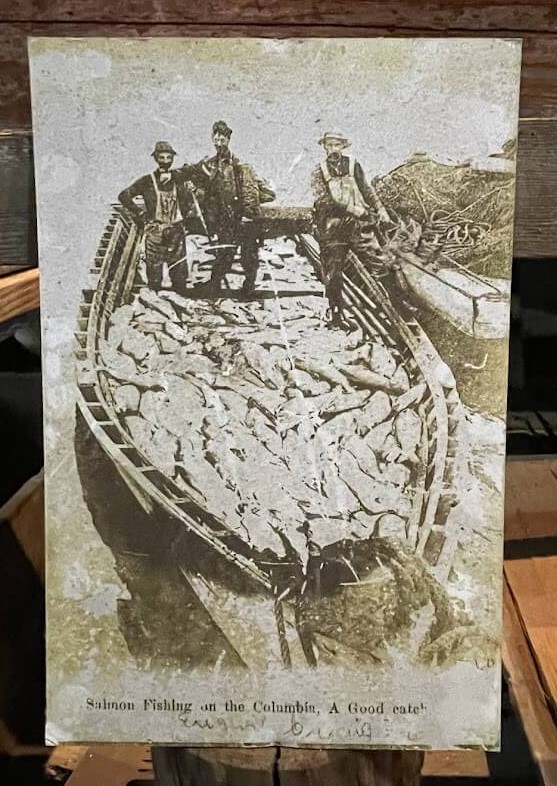
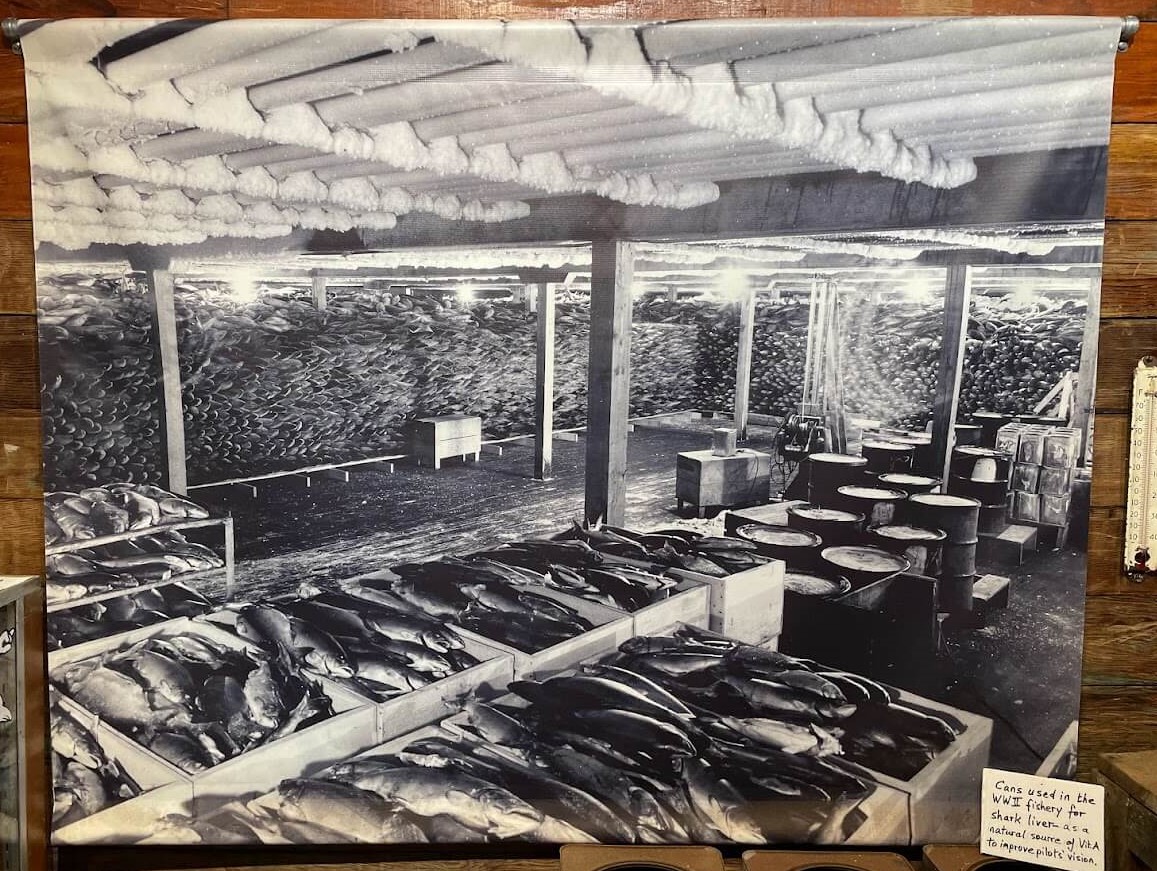

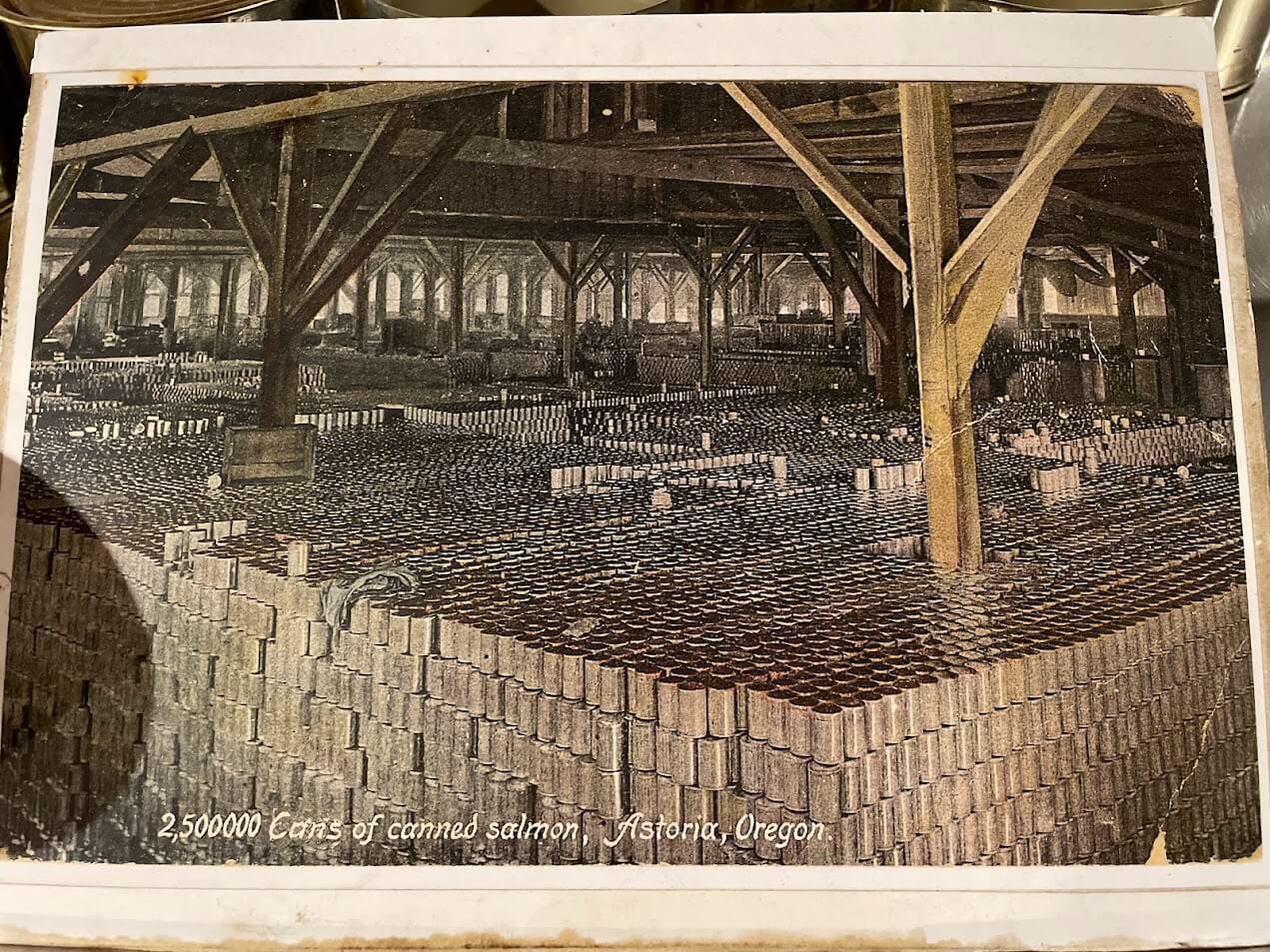
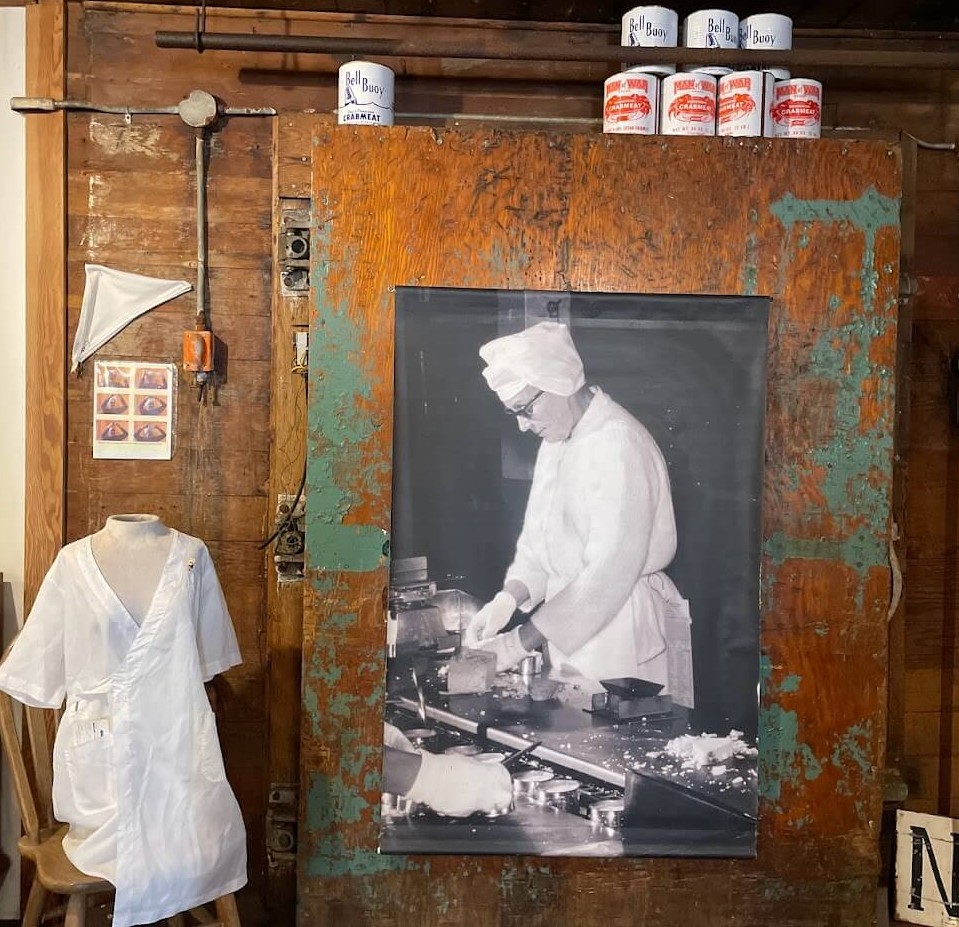
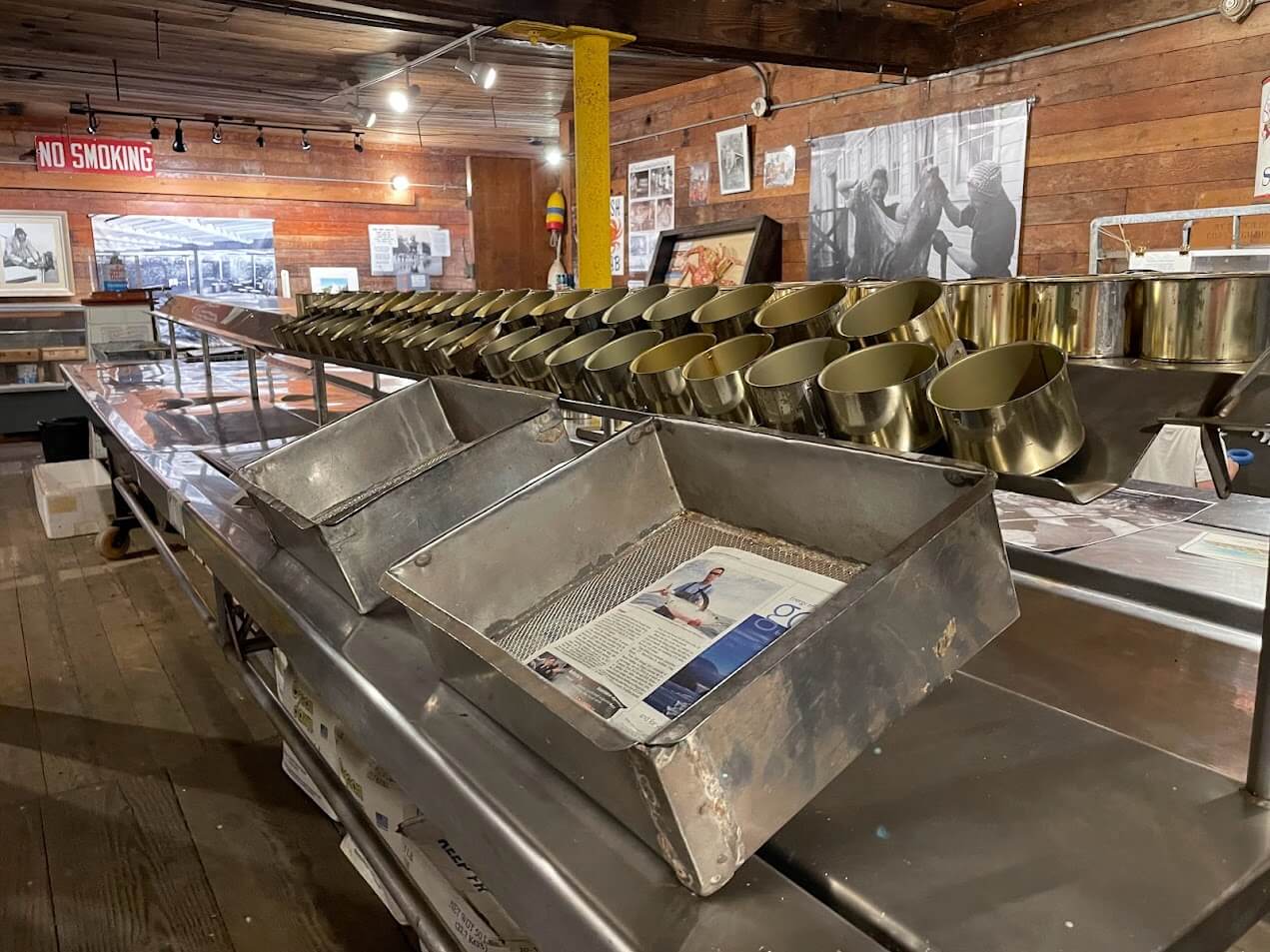
Archive photos – Credit photo Hanthorn Cannery Museum
Throughout their years of operation, they expanded their business to include albacore tuna in 1920 and established Bumble Bee, a now-renowned sea brand, in 1940. The Hanthorn Cannery was a successful enterprise that had a positive economic impact on Astoria and became a prominent brand in the industry.


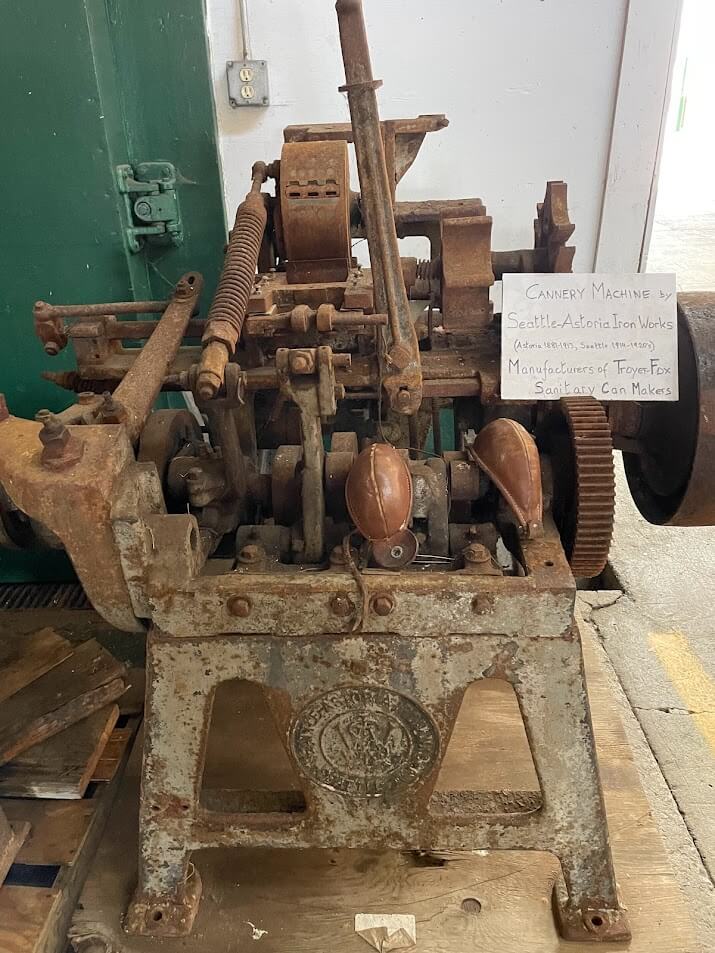
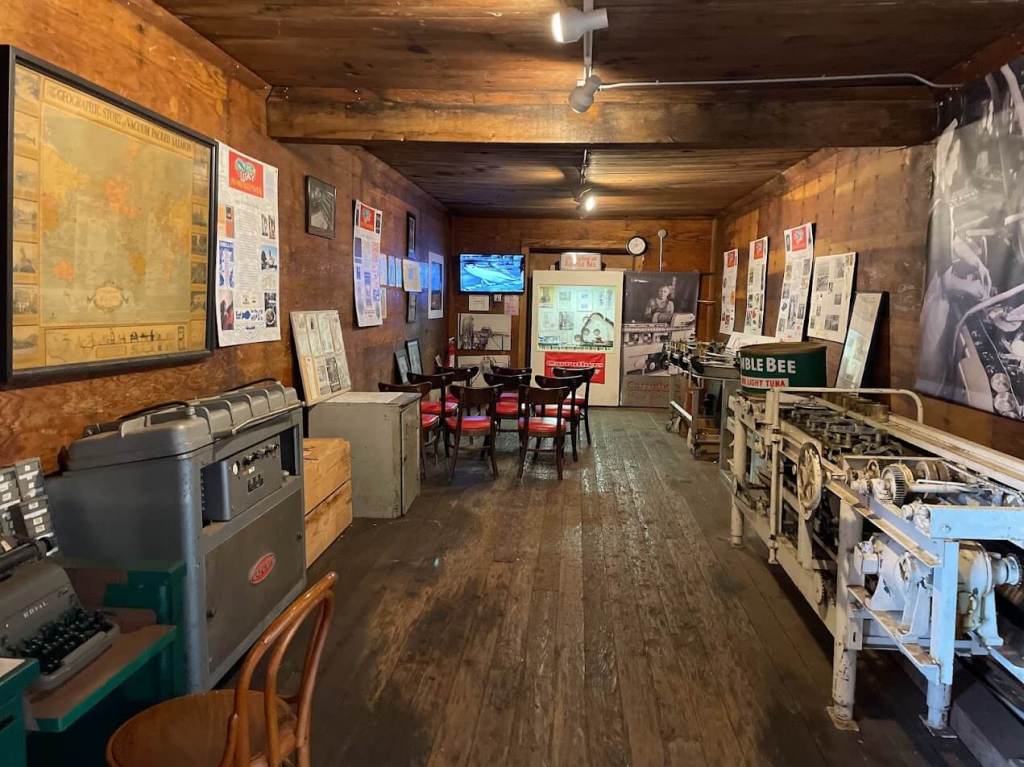
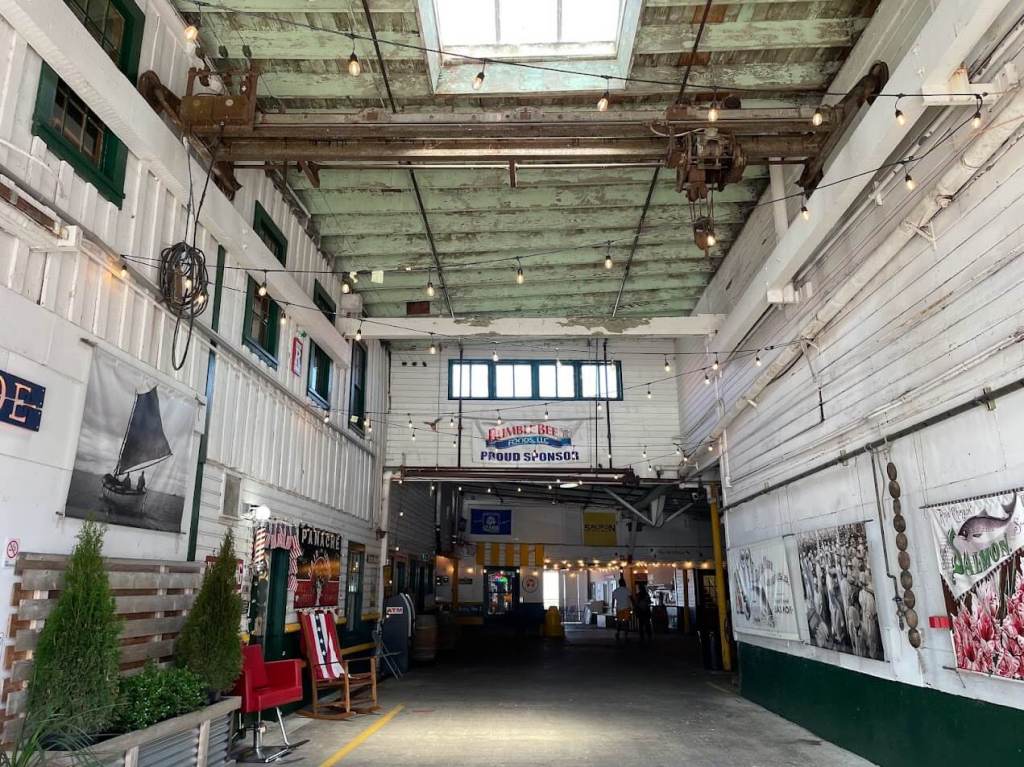
The cannery is no longer in operation today. Instead, a museum commemorates workers and the fishing industry on the Columbia River. Enter the previous cold storage units to discover the fishing and canning process with many artifacts like nets, vessels, cannery machines, photographs, and videos.
Ready to visit the Historic Hanthorn Cannery?
Pin this for later to help you plan your day in Astoria!

Plan your visit:
- Location: 100 39th St, Astoria, Pier 39, 97103, OR
- Hours: 9:00 AM to 6:00 PM
- Admission: Free, donation appreciated
- Duration: I spent 1 hour discovering it
- Parking: unmetered and limited parking on the pier
- More information is available at https://canneryworker.org/
If you enjoyed this post, please leave a comment and share it with a traveler visiting Astoria.

 DayDream Under the Stars
One thought on “The Columbia River: A Lifeline for Fish and People”