
2 minutes read
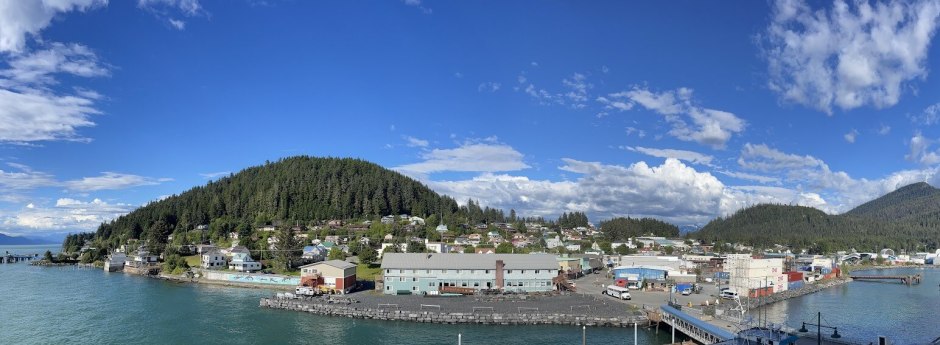
Be prepared to explore the third oldest and only Alaskan city ruled by four nations. Situated in the Tongas National Forest, walk through time discovering 5,000 years of Wrangell’s history.
1 – Tlingit from 5,000 BC to 1834
Archeological evidence traces the first pre-historic village sites in Alaska and British Columbia (Canada) around 5,000 years ago. According to the Tlingit oral history, ancestors arrived in Wrangell as they navigated the Stikine River and floated under a glacier. They discovered a lush island and abundant resources.


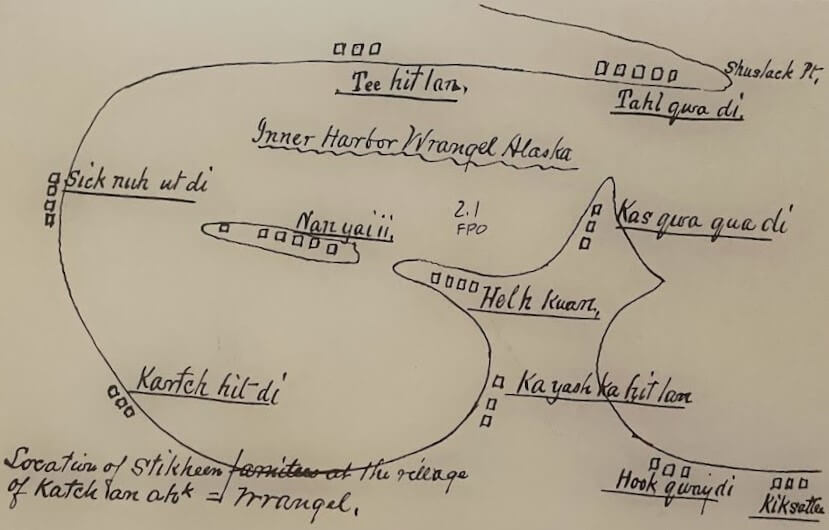
The today Alaska/Canadian territory was initially divided into 16 Tlingit tribes.

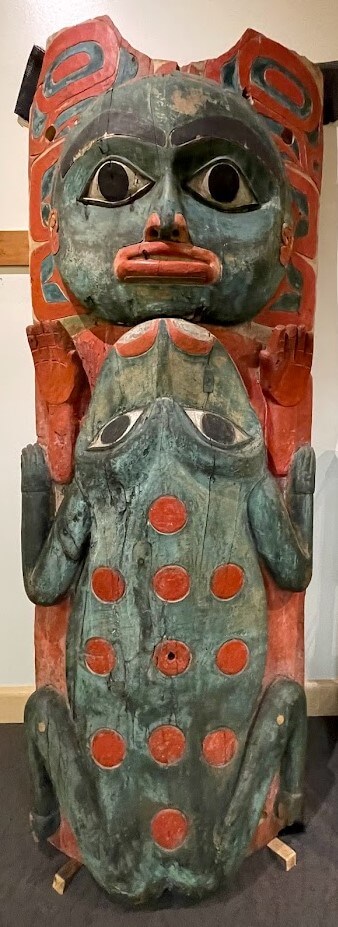
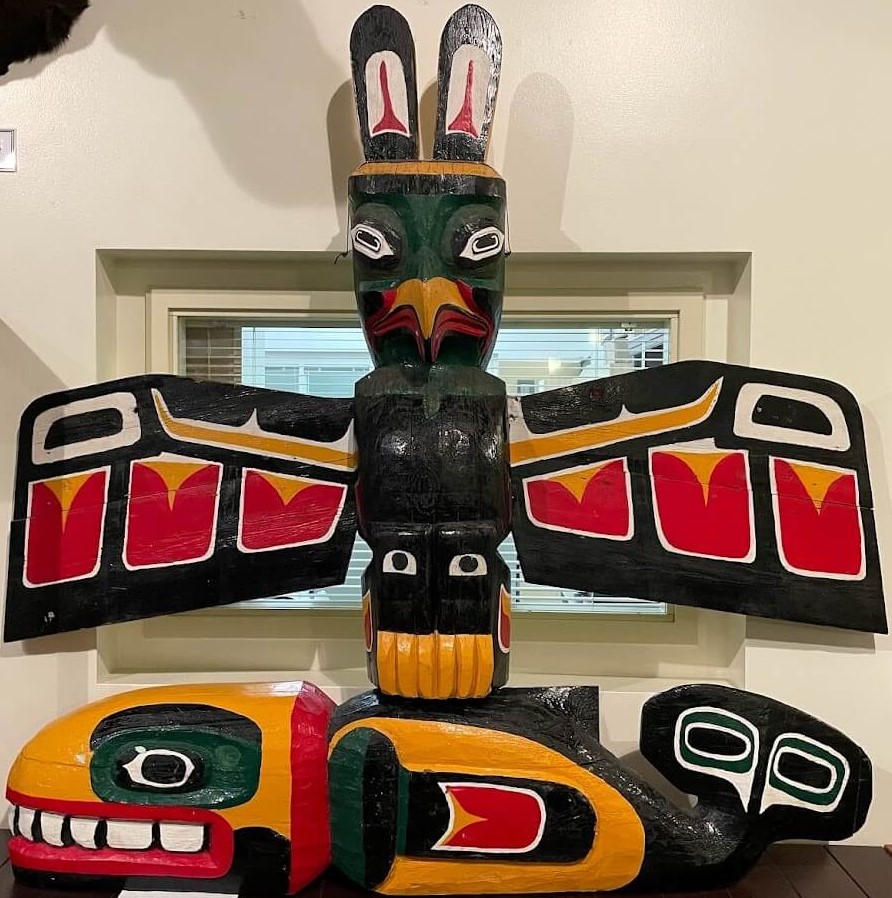
In the winter, Tlingit Tribes regrouped and settled in large villages including between 5 to 20 longhouses. Longhouses served as storage and sleeping quarters for different families, welcoming up to 50 people.
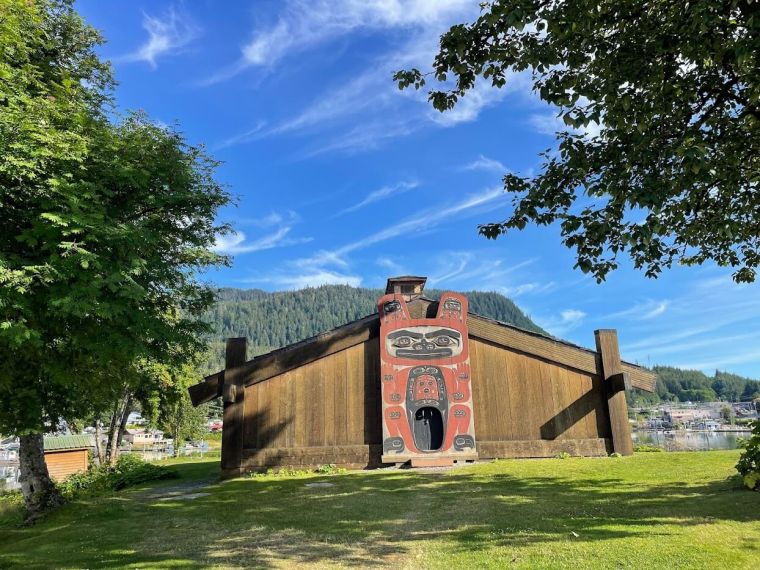
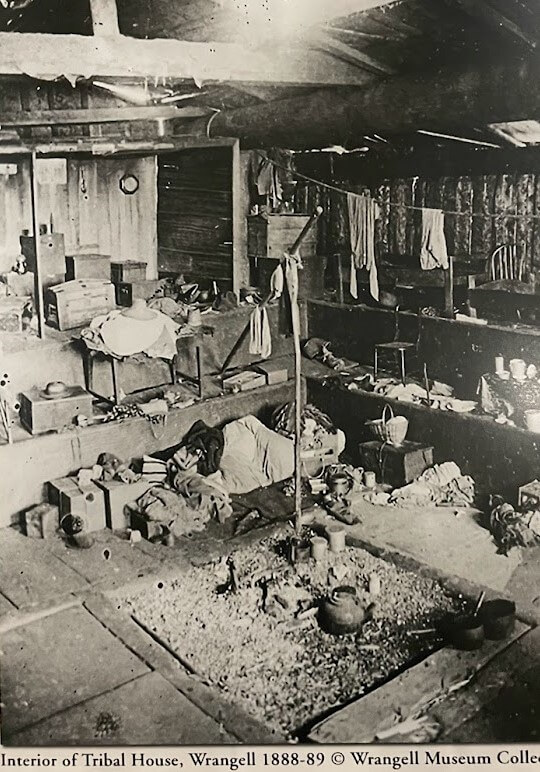

During the summer season, they established temporary settlements to focus on fishing, hunting, berries, and root gathering.
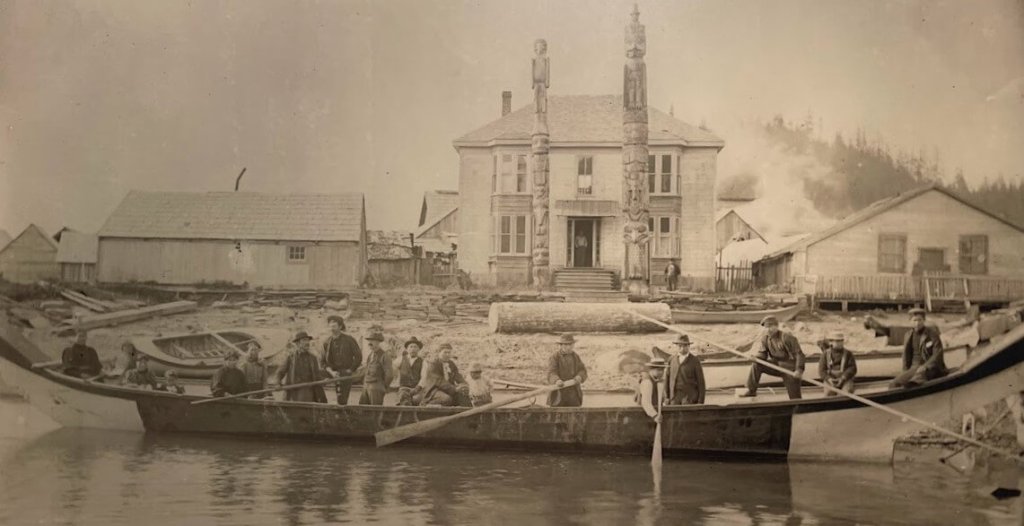


The Tlingit settled in the southern end of the island and built Khasitlaan (“Willow Town”), known today as “Old Town.” Communities were economically interdependent as they traded natural resources. Yet, their traditional lifestyle changed with the European contract (new diseases and economic system), and around 1834, they moved to the northern end of Wrangell.




2 – Russia from 1834 to 1840
Starting in 1741 with Russian, European explorers navigated Southeast Alaska’s coastline.
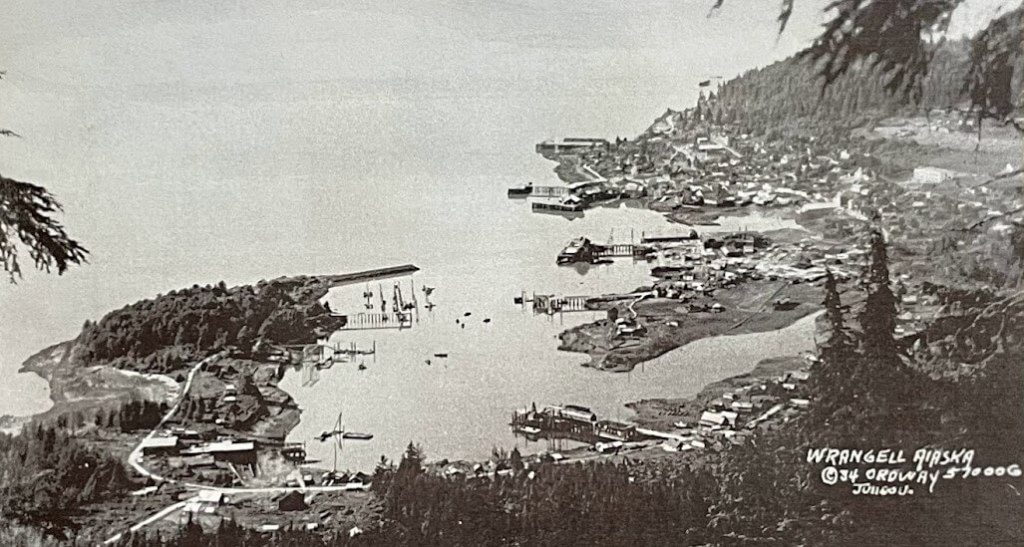
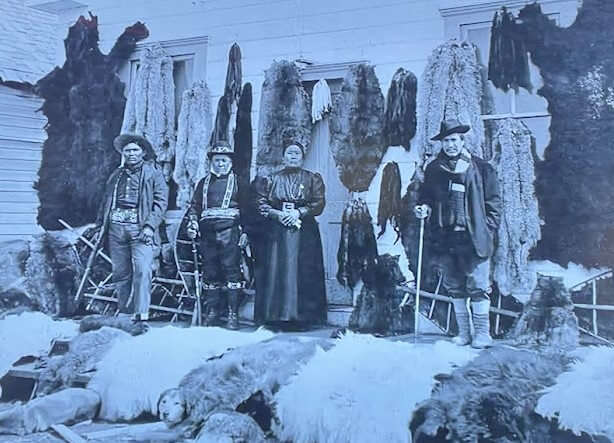
By the 1820s, the Russian American Company controlled the fur trade in this region. They developed their networks and relationship with the Stikine Tlingit. To strengthen their position, Lieutenant Dionysius Zarembo purchased land from Chief Shakes’ brother and built a fort in August 1834. Located near the present inner harbor, the Redoubt Saint Dionysius or Fort St. Dionysius included 25 men, plus 25 men on a ship offshore.

Russians traded furs like sea otters, beaver, fox, and lynx against goods and supplies.
Did you know?
In the 1820s, Sea Otters were almost extinct after 40 years of fur trade.
3 – Great Britain from 1840 to 1867
Following a quarrel over the control of the fur trade on the Stikine River between the Russians and the British Hudson Bay Company, an agreement was reached in 1840. Russia leased them Fort St. Dionysius for ten years, including an annual payment of 2,000 otters’ fur.

The British Hudson Bay Company renamed it Fort Stikine. For the next nine years, the relationship between the British and the Tlingit was tense and hostile. Finally, the British left the fort in 1849 but kept a temporary post in the area.
4 – United States of America from 1867 to present
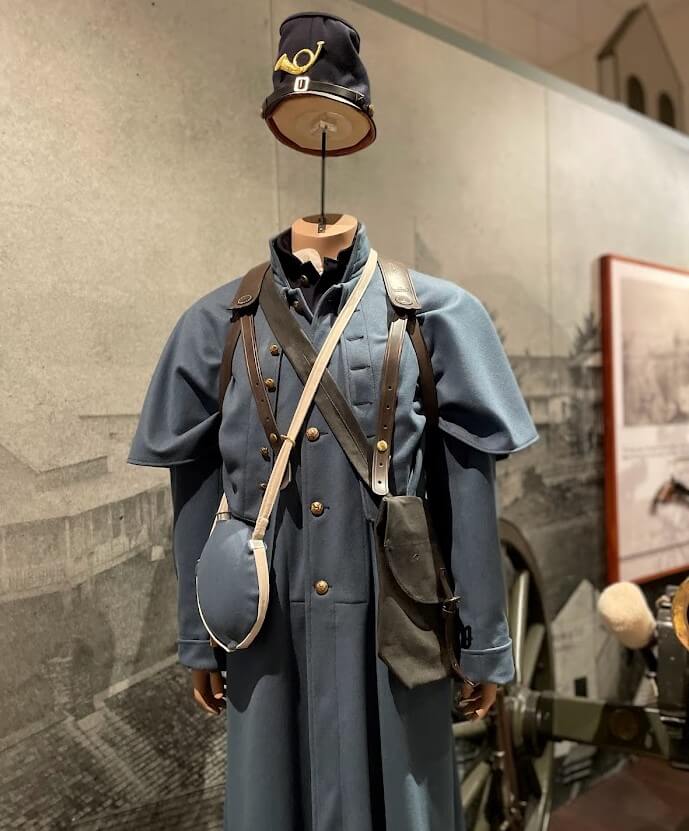
Challenged to maintain control in the region, Russia sold Alaska to the United States in 1867. A year later, the U.S. Army built Fort Wrangell. They occupied it at three different periods from 1868 to 1899.

Did you know?
When Alaska became the 49th State, bells were struck 49 times.

From 1861 to 1898, three Gold Rushes – the Stikine River, the Cassiar, and the Klondike – transformed the community bringing the “rough and rowdy.” Wrangell was a lawless Frontier town, described as “hell on wheels” by lawman Wyatt Earp.

Nevertheless, local businesses expanded to accommodate more than 10,000 stampeders and travelers. As an example, the city included three hotels, two restaurants, two newspapers, and numerous saloons.

After these gold rushes boom, logging, milling, and fishing industries developed and played a major role in transforming Wrangell into a modern city.


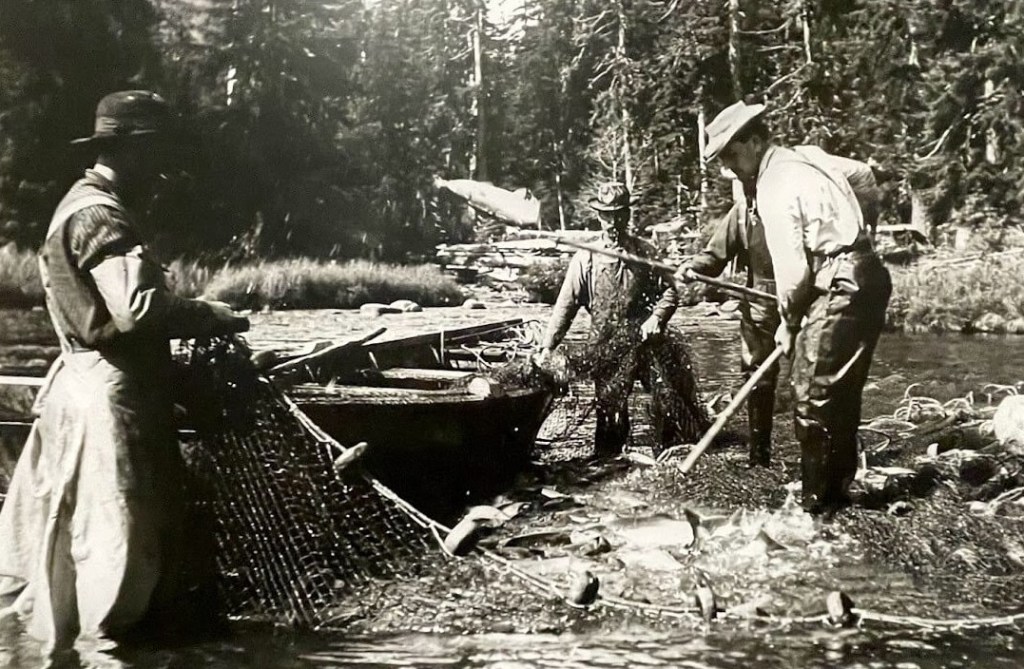
Today, Wrangell’s local industries focus on fishing and tourism. For a virtual touristy tour, don’t miss this easy walking itinerary.
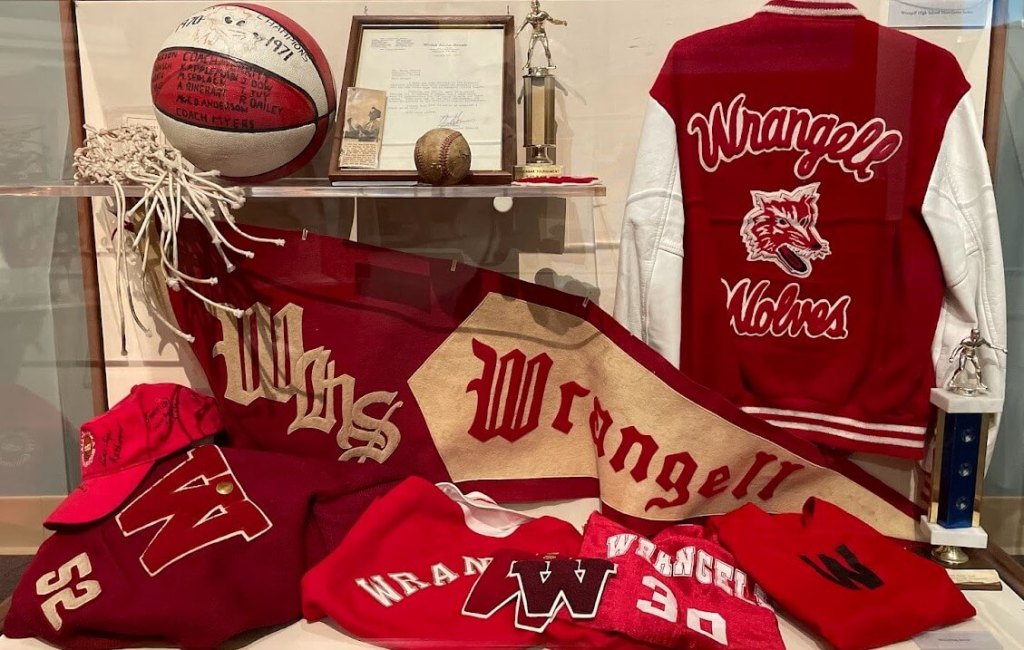

Based on my visit on August 2023
Ready to explore Wrangell’s History?
Pin/Save/Share if you take a day trip to Wrangell!
Plan your visit:
- Location: The Nolan Center, 296 Campbell Dr.P.O. Box 1050, Wrangell, AK 99929
- Hours: 10:00am-5:00pm Monday-Friday, 1:00pm-5:00pm Saturday, closed on Sunday.
- Admission: $8 per adult.
- Duration: I spent 2 hours discovering it.
- Parking: free street parking
- More information is available at https://travelwrangell.com/wrangell-history
If you enjoyed this post, please leave a comment and share it with a traveler visiting Wrangell.

 DayDream Under the Stars