

3 minutes read
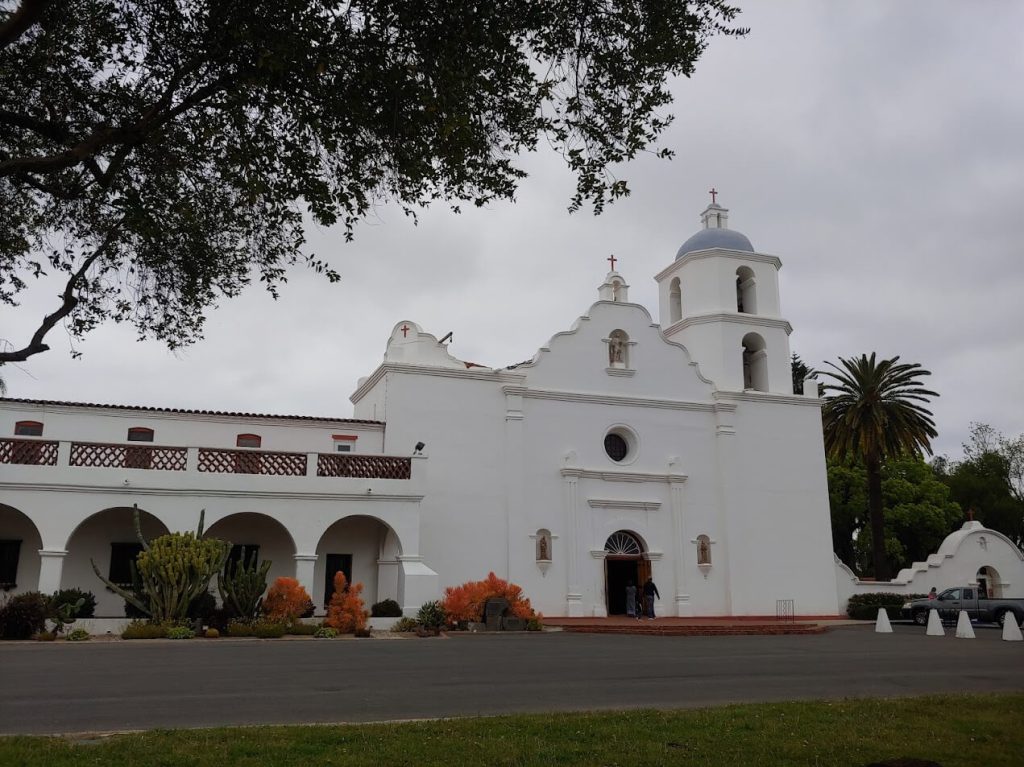
Mission San Luis Rey de Francia is the 18th of 21 missions established by the Franciscans along El Camino Real. Erected to fill the gap between Mission San Diego and Mission San Juan Capistrano, let’s explore the “King of the Missions.”
A pinch of history
- The area has been inhabited by the Western Shoshone tribe.
- Native Americans were named Luisenos by the Spaniards.
- The mission was named after Louis IX, King of France.
- Mission San Luis Rey de Francia hosted a population of 2,000 to 3,000 persons.
The Mission
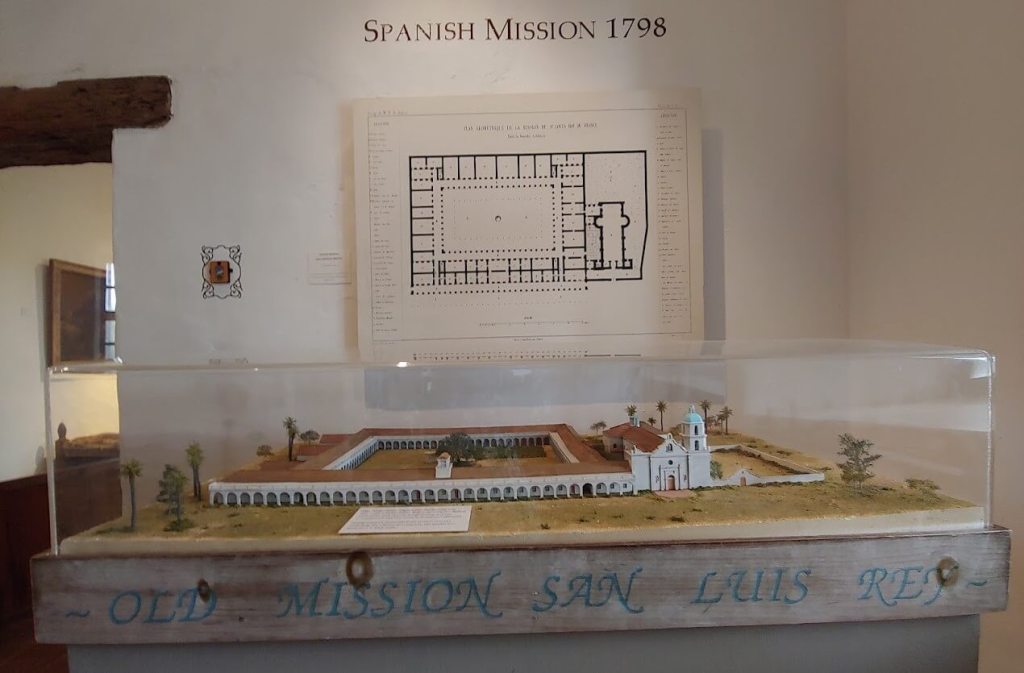
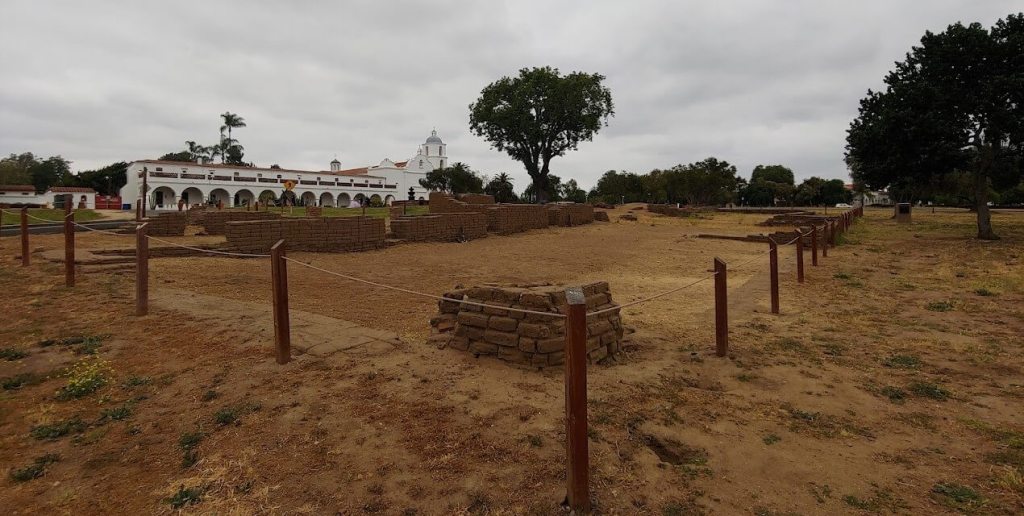
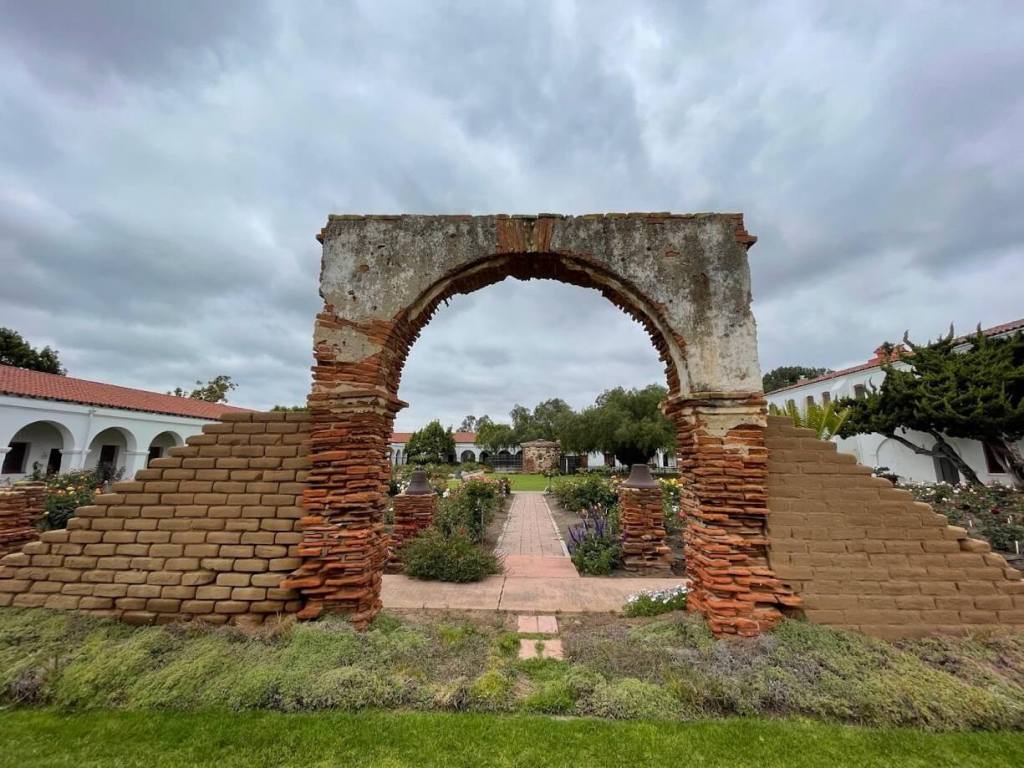
On June 13, 1798, Father Fray Fermin Francisco De Lasuén (1736-1803) established Mission San Luis Rey de Francia. The original structures included a church, a convent, a kitchen, living quarters, workshops, officers’ barracks, a cemetery, an outdoor lavanderia, and irrigation channels.
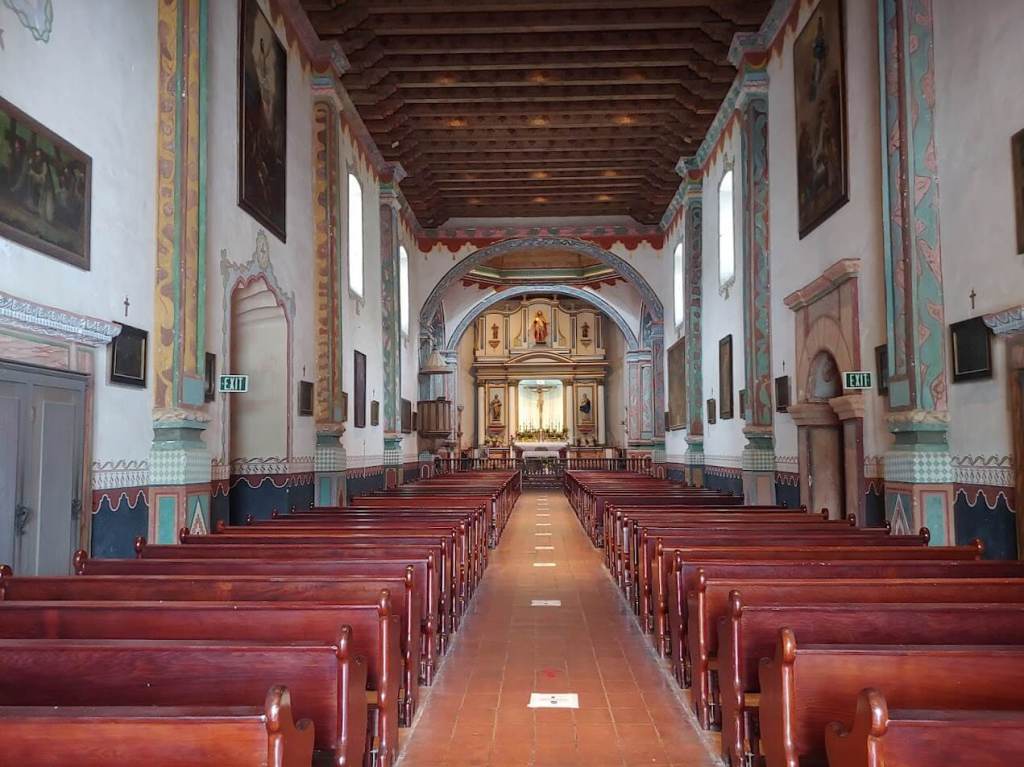
Between 1798 and 1815, three churches were constructed to accommodate the growing community. The initial small adobe church was replaced by a large Baroque and Classical-style Church, featuring eight bells in its belfry.
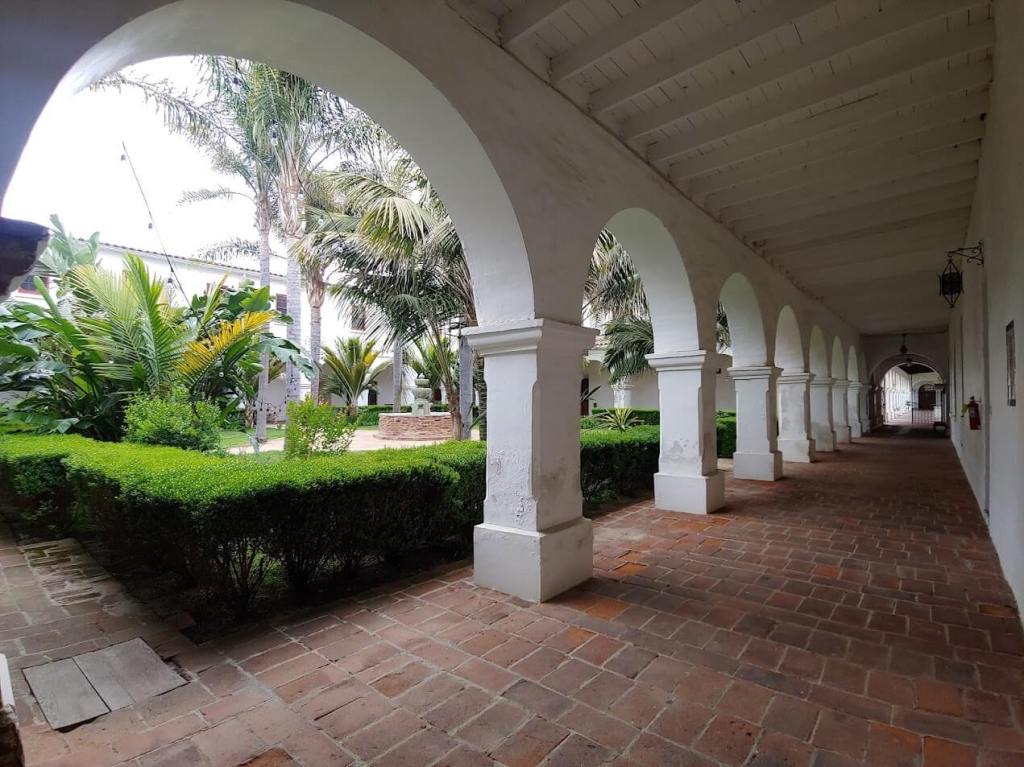
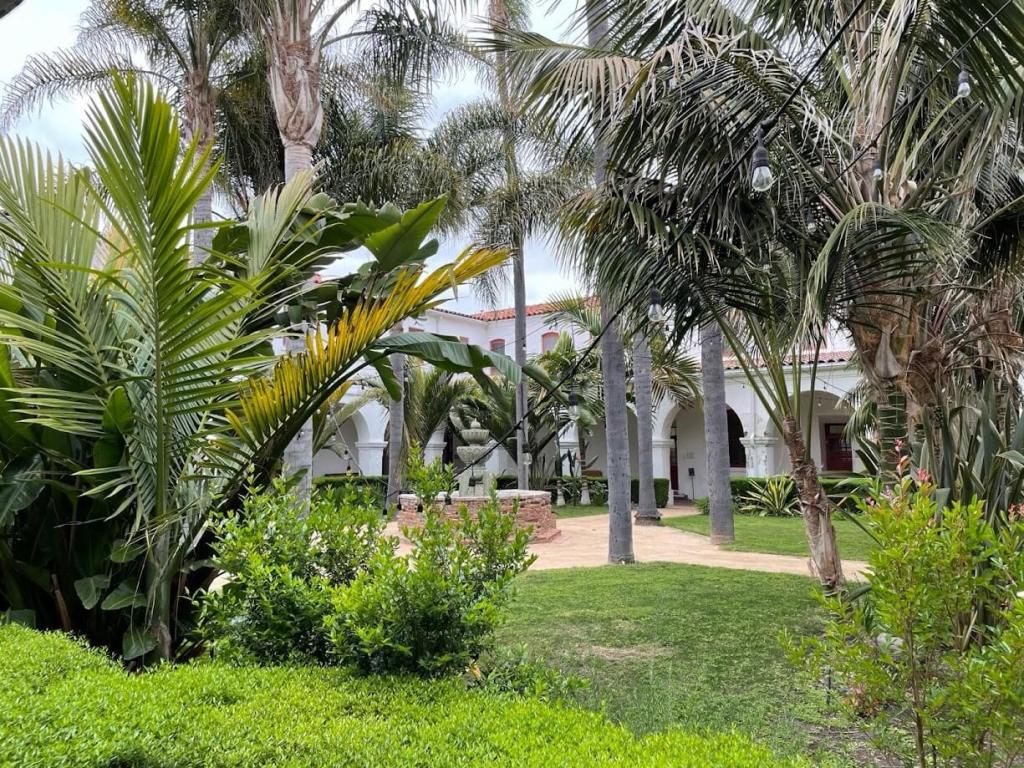
Mission San Luis Rey de Francia is considered the “King of the Missions” due to its large structure, extensive land (spanning over 950,000 acres), large population, and prosperous farming. At its peak, the Mission had a population of 2,000 to 3,000 people and 27,000 head of cattle.
Did you Know?
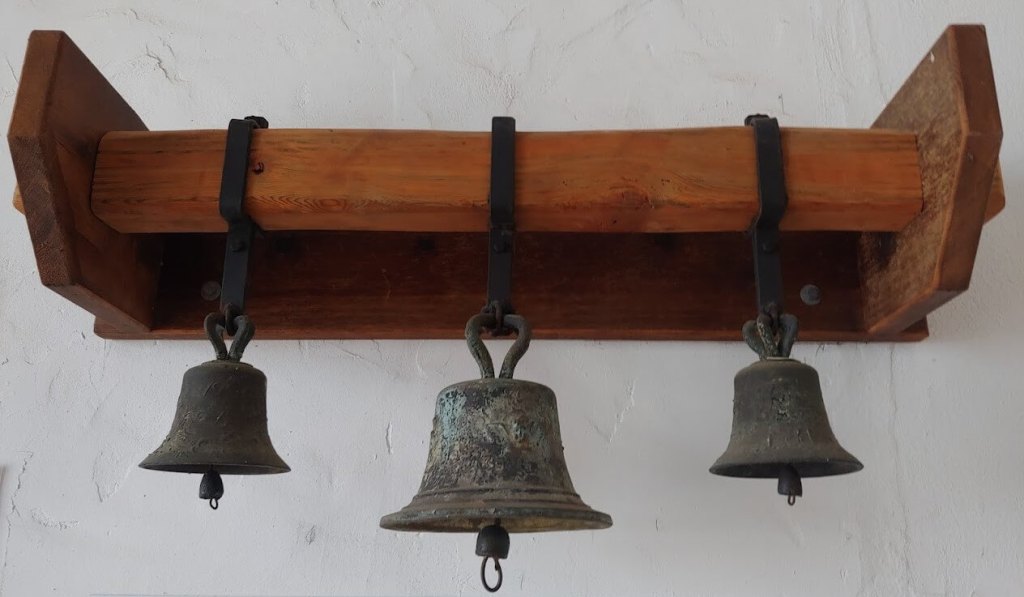
The quadrangle bells announced the hours for meals, prayers, and the end of the working day.
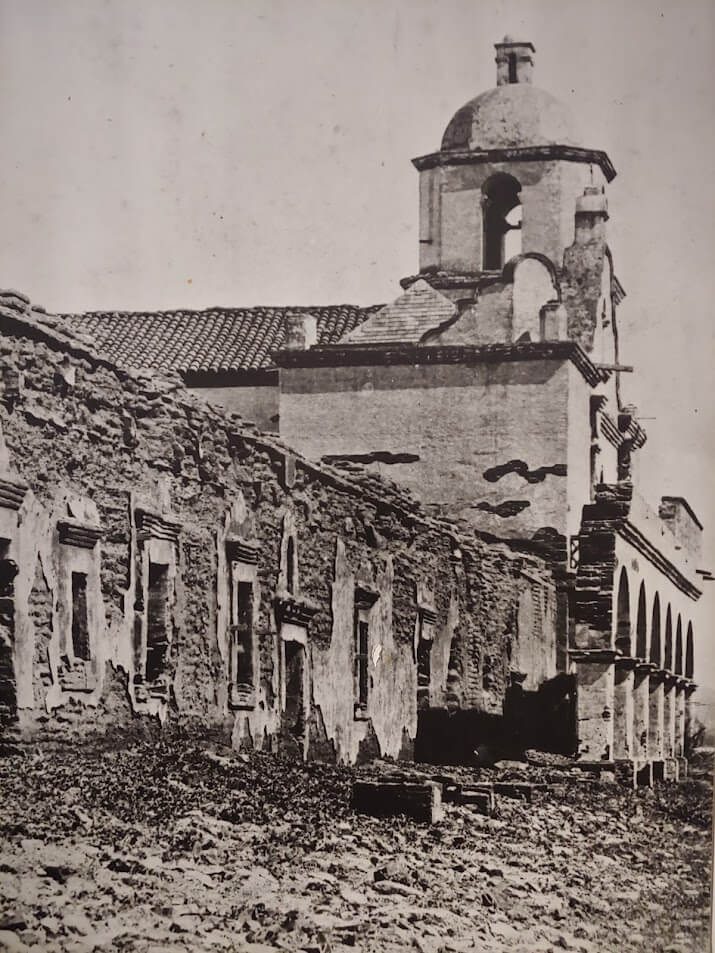
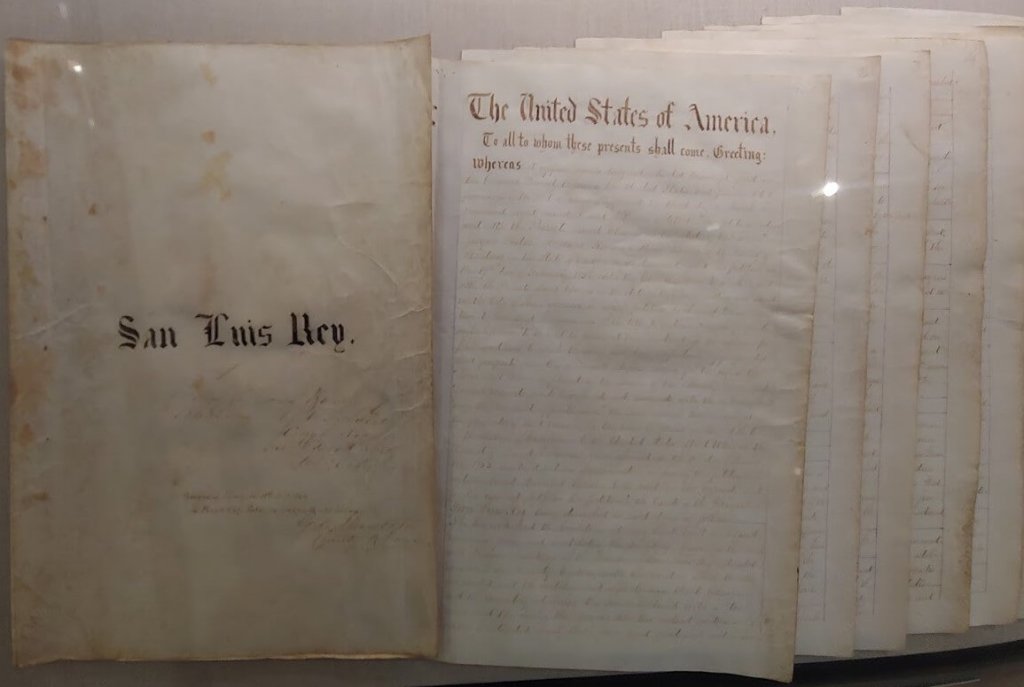
In 1846, during the secularization period, Mexican Governor Pio Pico sold the mission property for $2,347.00. In the following years, the Mission fell into ruins. On March 18, 1865, President Abraham Lincoln signed a document returning the Mission to the Catholic Church. In 1892, Franciscan friars returned to the Mission and began restoring it.
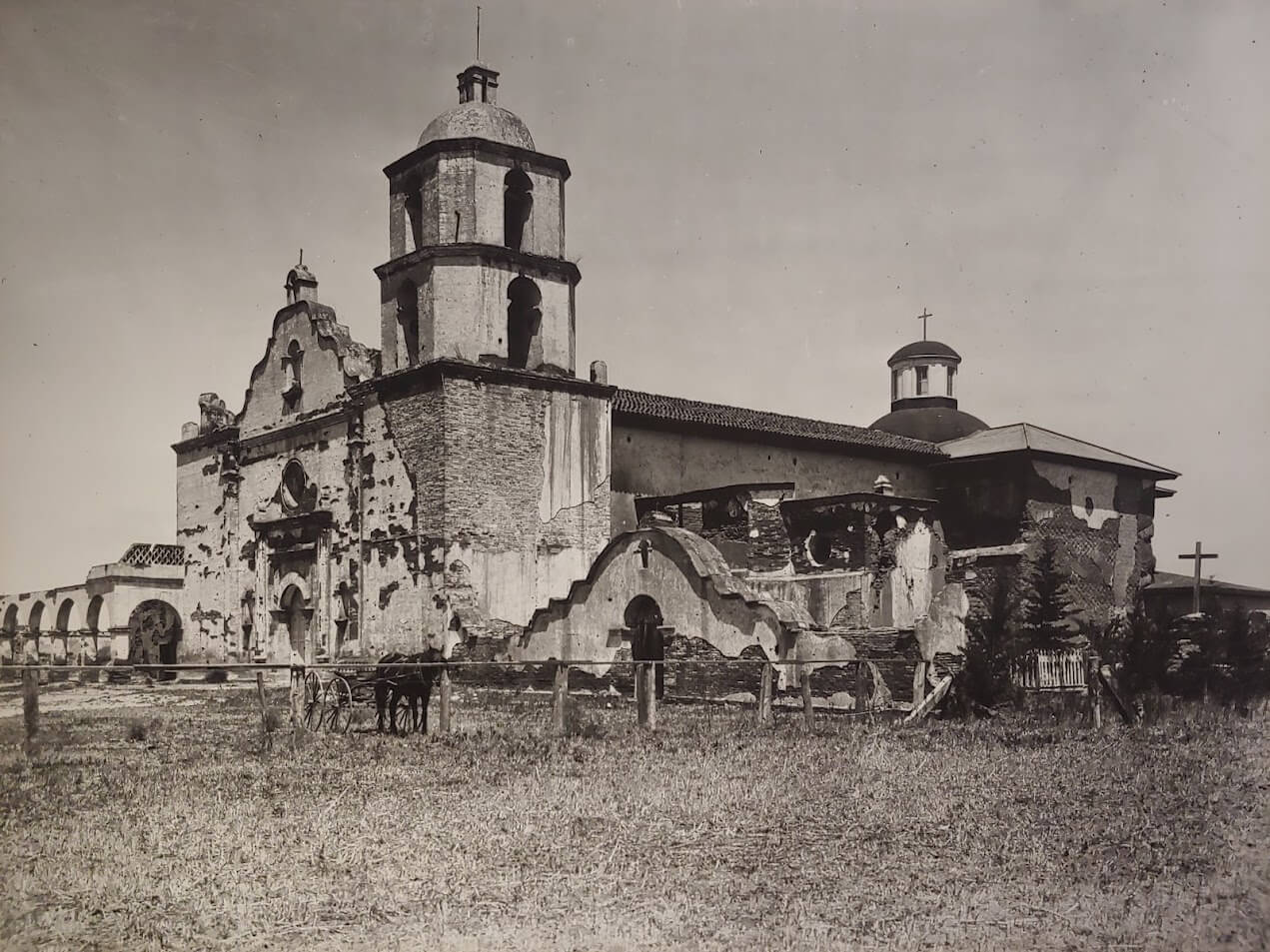
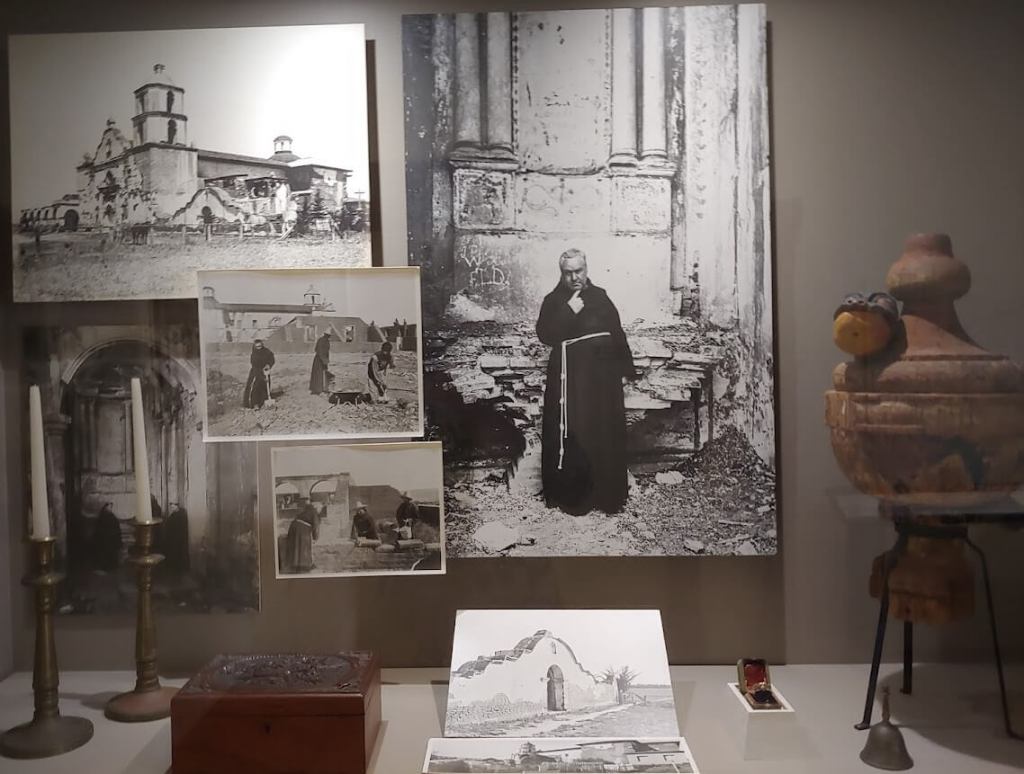
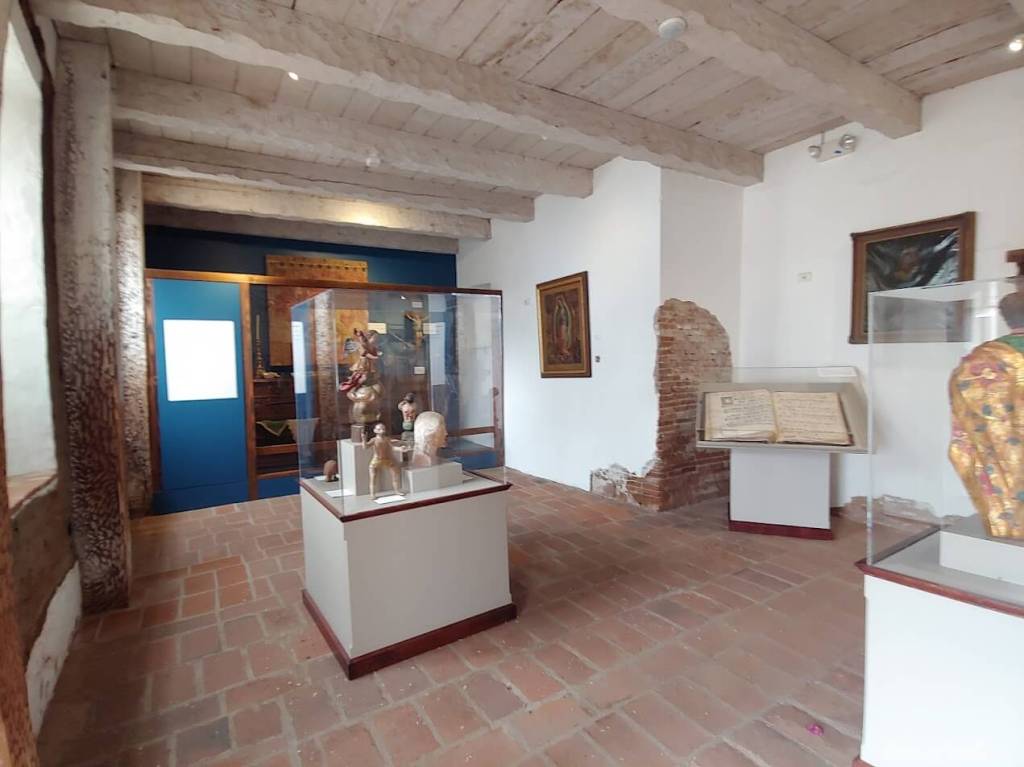
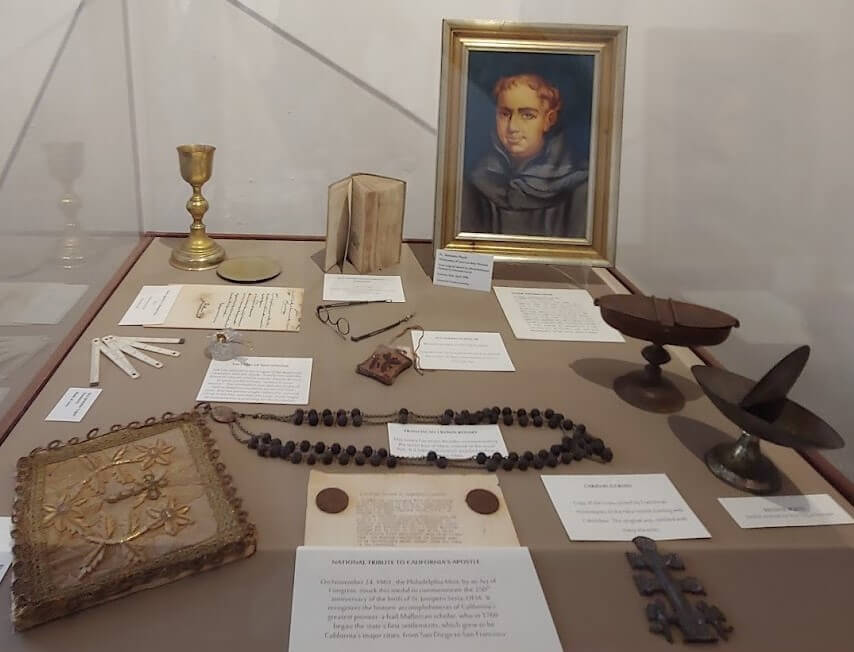
Today, the Mission serves as a parish church, museum, and retreat center.
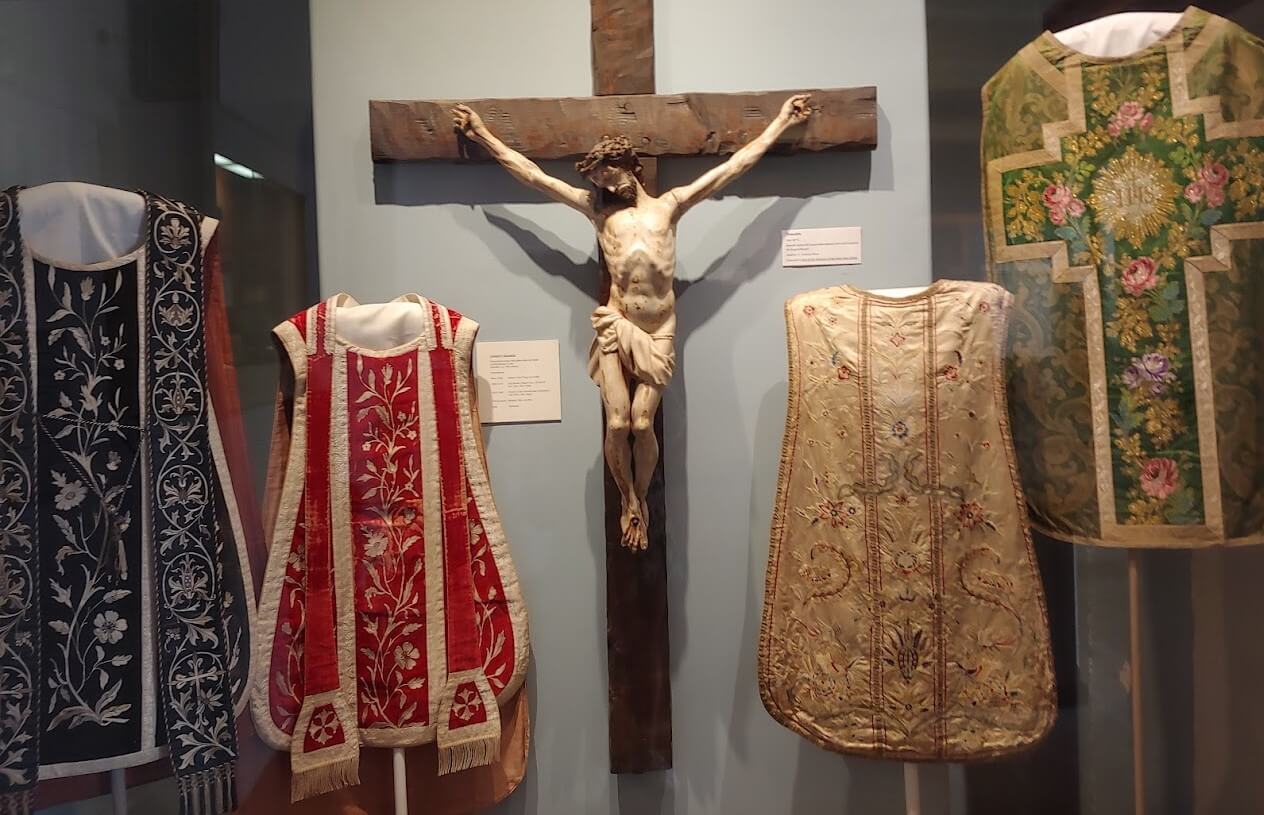
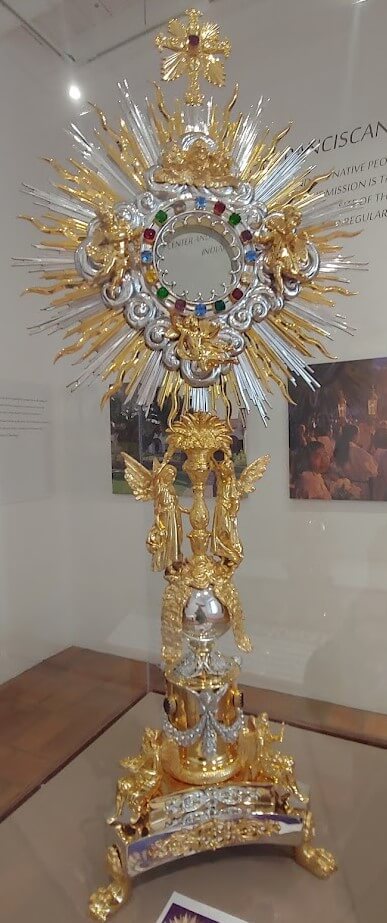
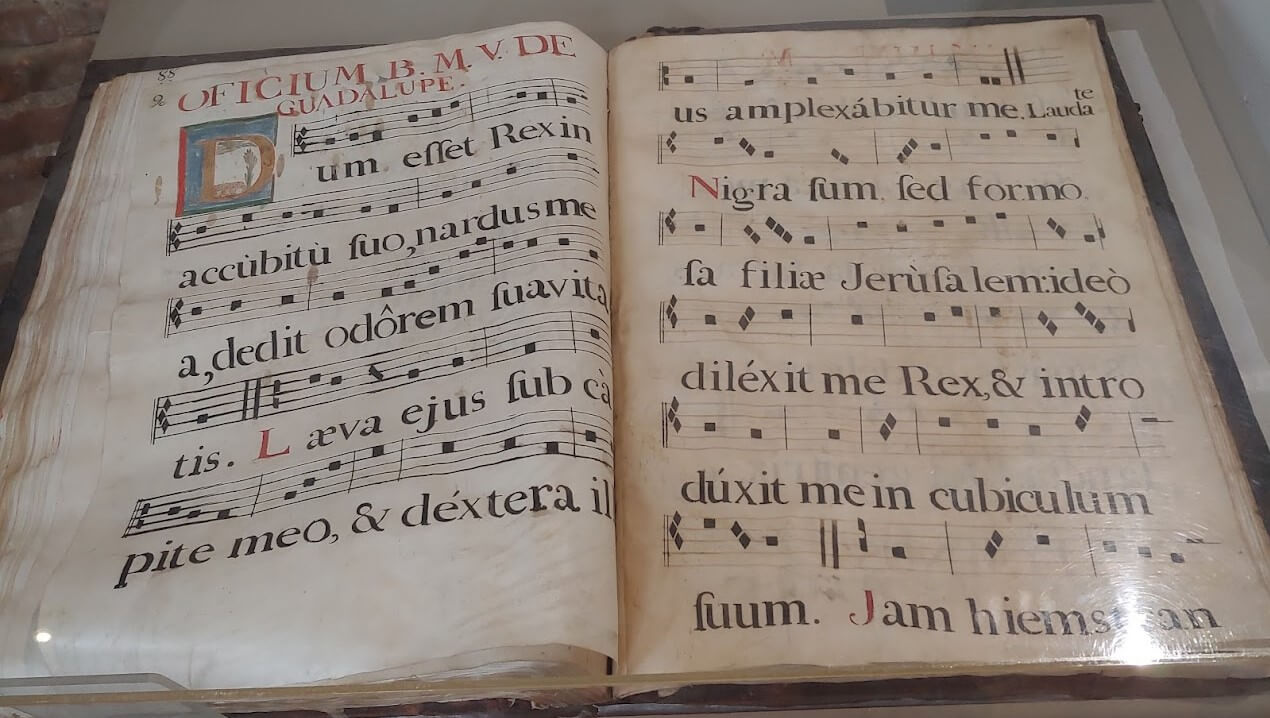
Did you Know?
Some episodes of the 1957 Zorro TV show were filmed at the Mission San Luis Rey.
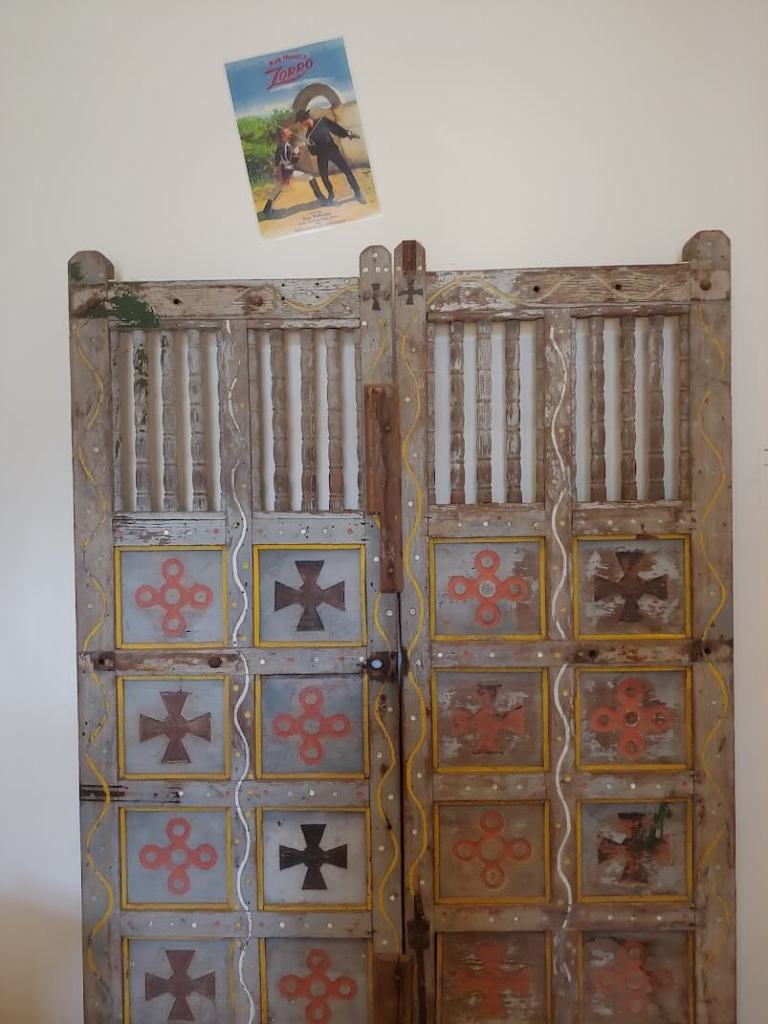
The Agapito Court
Born and raised at Mission San Luis Rey, Agapito Amamix (1820-1837) and Pablo Tac (1822-1841) were two Native Americans converted to Christianity. At the age of ten, they traveled to Mexico and then to Rome in 1832 with Fr. Antonio Peyri to study for the priesthood. They were enrolled at the College of the Propaganda and studied Latin, theology, philosophy, and rhetoric. They were the first seminarians from the California Missions. Sadly, Pablo Tac never returned to America as he died from an epidemic in Rome. Unfortunately, I couldn’t find further information about Agapito Amamix.
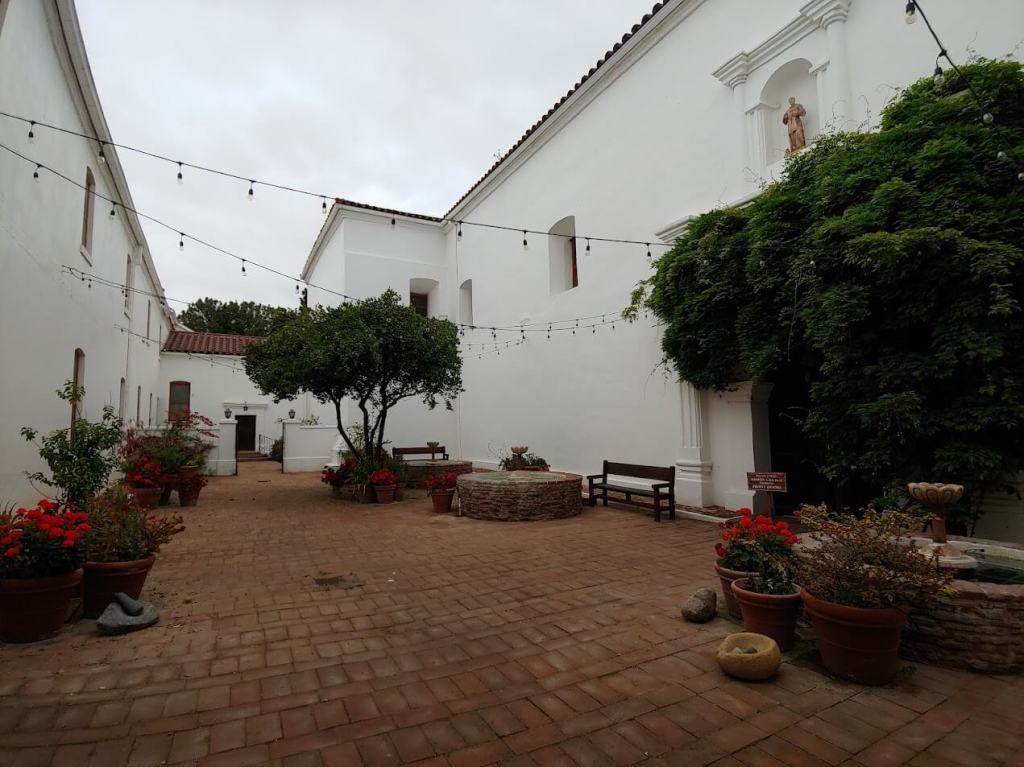
Pablo Tac wrote about his life, customs, and experiences, from the Mission to Rome. He also documented his native oral language, providing one of the first Luiseño-Spanish dictionaries. His writings are one of the rare testimonies of a Native American who lived in a Californian Mission.

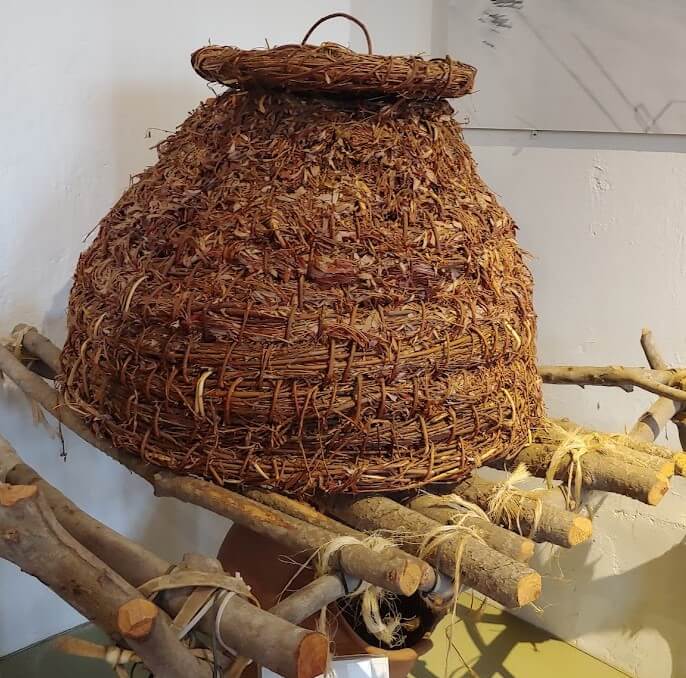
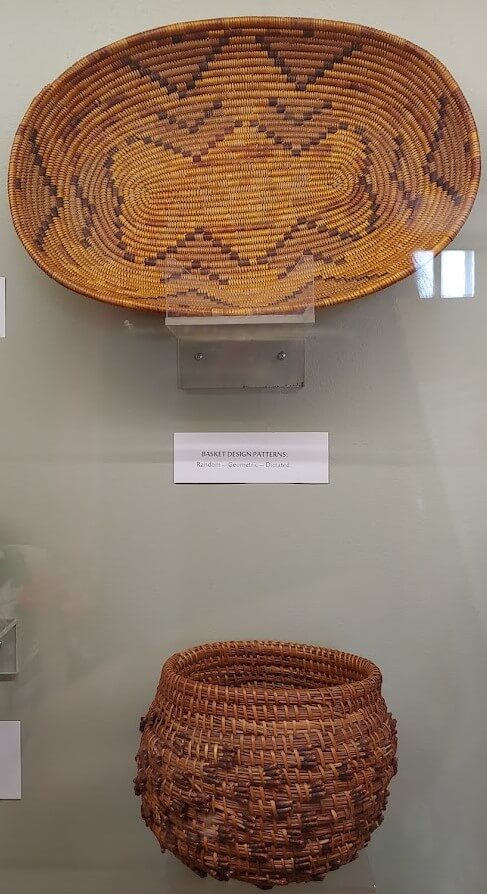
Today, the Agapito Court is dedicated to them.
Did you Know?
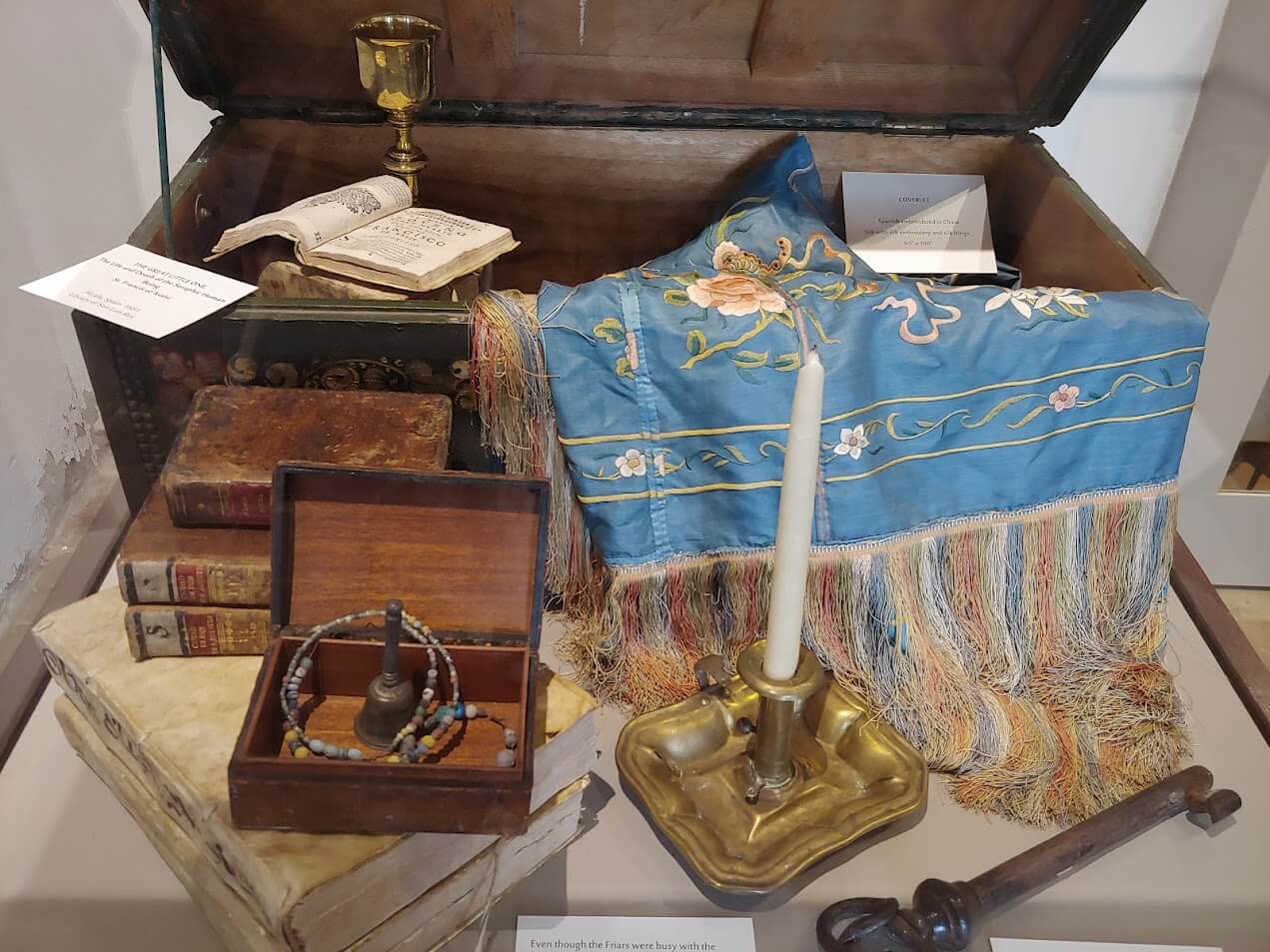
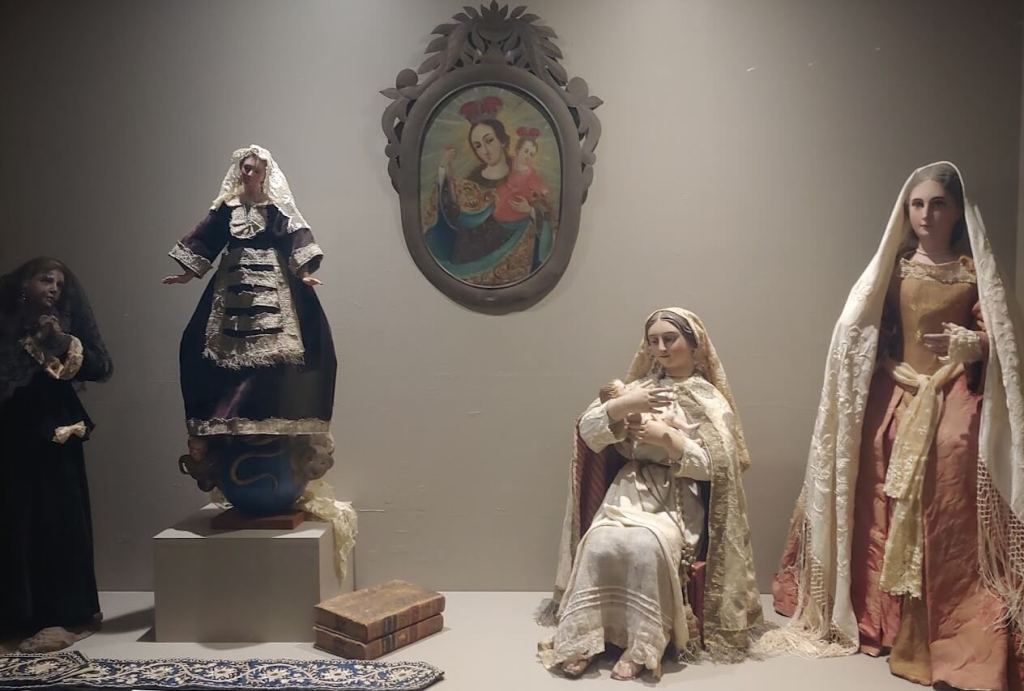
The friars brought pictures and statues of Mary and baby Jesus to help with catholic conversion.
Water at the Mission
Chumash life was based on hunting, fishing, and gathering fruits and vegetables. Agriculture and farming were introduced by the Spaniards, who brought new plant varieties and livestock and developed irrigation systems.
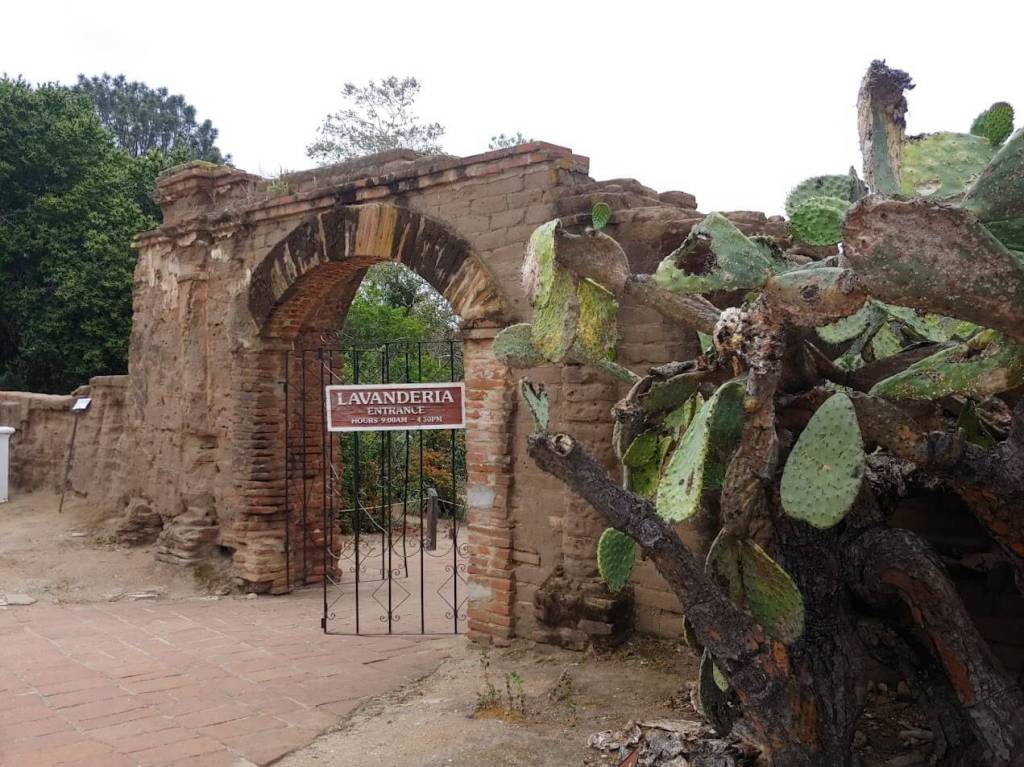
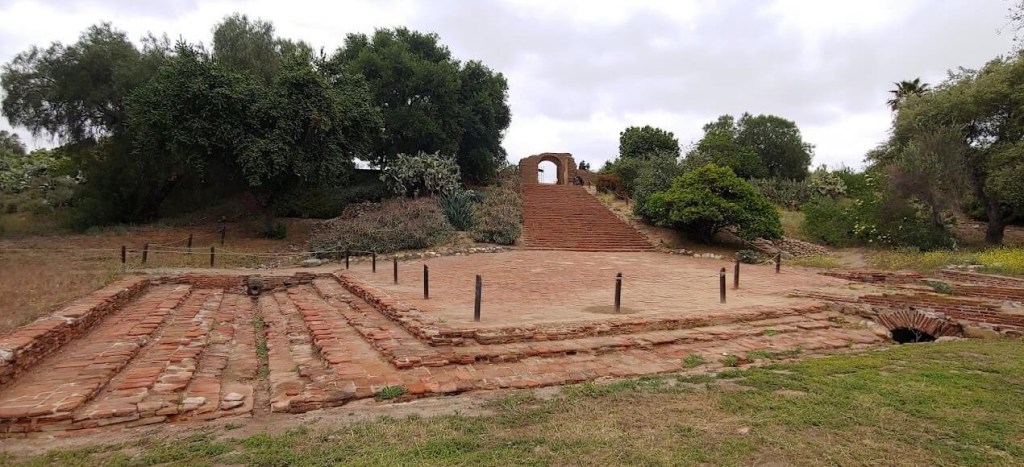
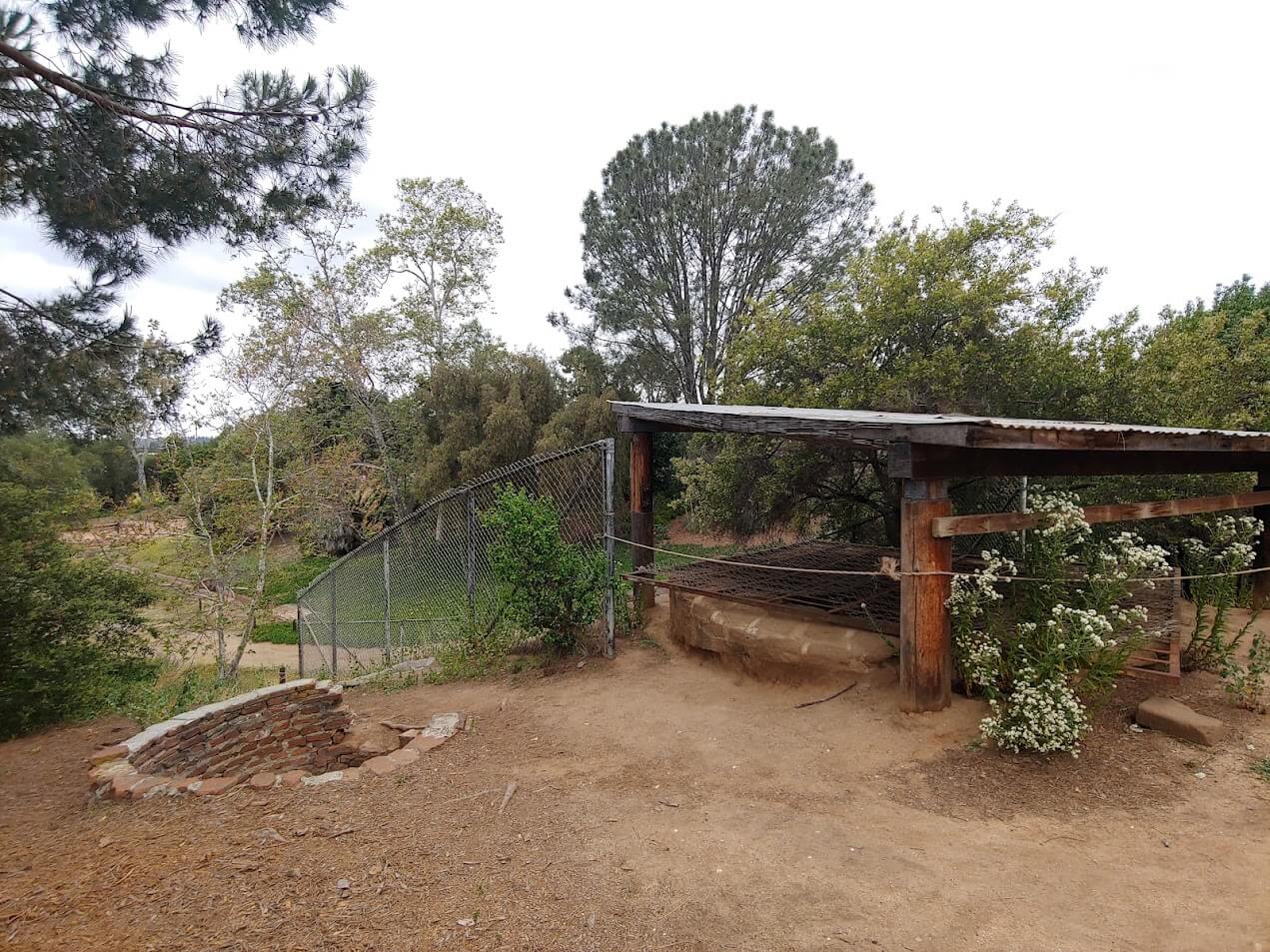
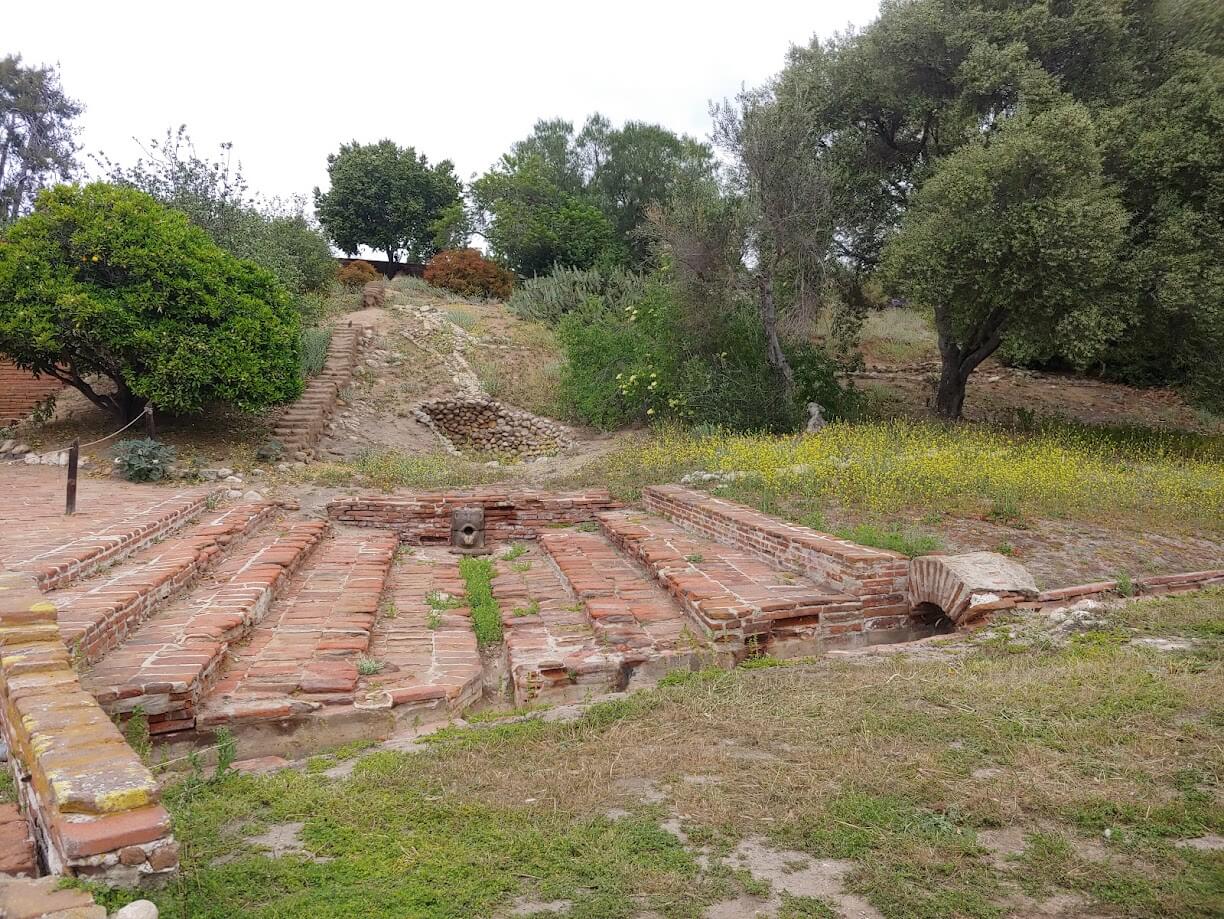
Aqueducts brought water from the San Luis Rey River. The lavandería was an open-air laundry and bathing area, featuring tiled stairs, water channels, and stone pools. The site also provided water for the Mission Garden and irrigated field crops. This archaeological site will soon be restored, preserved, and enhanced with a native plant garden.
The Oldest Pepper Tree in California
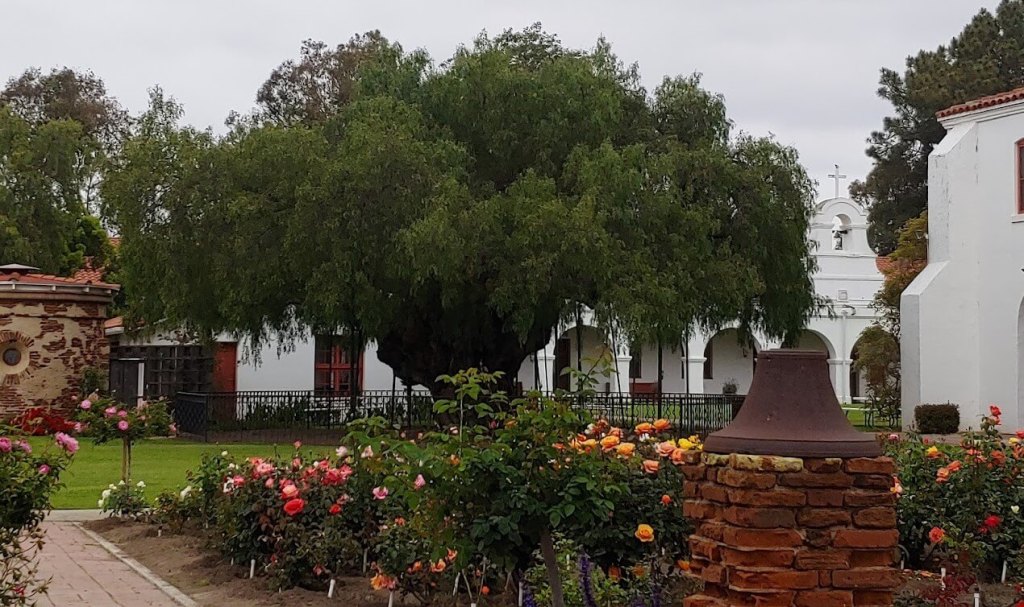
In 1830, a sailor from Peru brought pepper seeds to Mission San Luis Rey. Father Antonio Peyri planted what is now considered the oldest pepper tree in California. At that time, pepper was used medicinally due to its antibacterial and antiseptic properties.
Article based on my visit in 2021
Sounds like a must-see?
Plan your visit:
- Location: Mission San Luis Rey, 4050 Mission Avenue, Oceanside, CA 92057-6402
- Hours: 10:00 am – 4:00 pm daily. Closed on New Year’s Day, Easter, Thanksgiving, and Christmas Day.
- Duration: I spent 2 hours discovering it.
- Admission: $8 for adults (18-64 years old), and $5 for youth (6-18 years old).
- Parking: free parking lot, and unmetered street parking
- More information is available at https://www.sanluisrey.org/
If you enjoyed this post, please comment and share it with a traveler visiting Oceanside.

 DayDream Under the Stars