
2 minutes read.
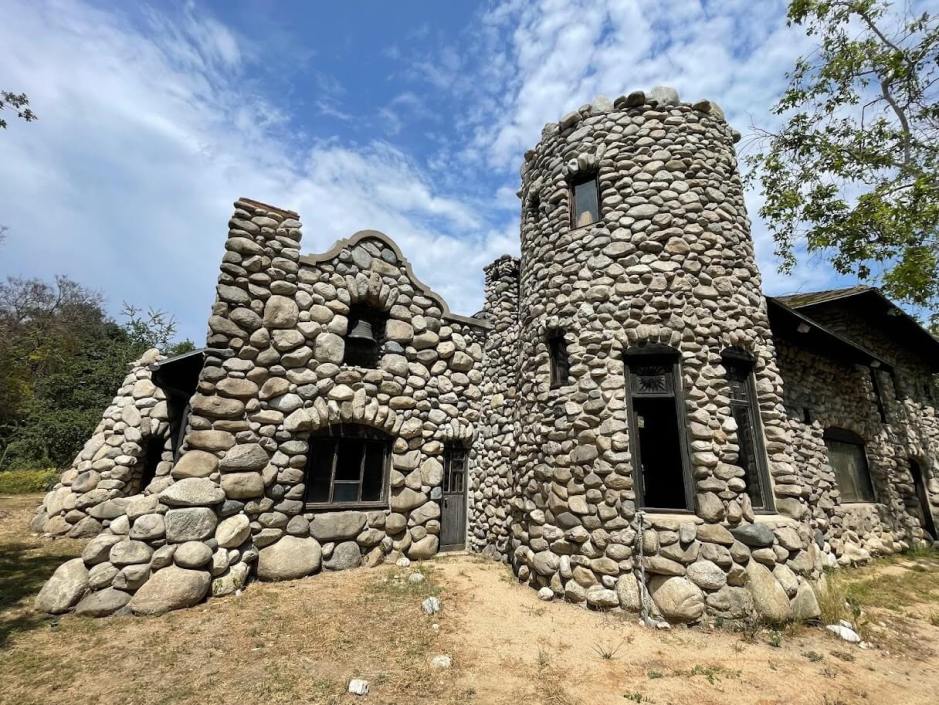
A 4,000-square-foot home built stone by stone by writer, activist, and historian, Charles F. Lummis. Enter his land property and discover a unique architecture that embodies Lummis’ appreciation for the indigenous cultures and landscapes of the Southwest. Let’s explore together this historic and enchanting place!
Charles Fletcher Lummis
Born in Massachusetts, Charles F. Lummis (1859-1928) moved to California in 1884 after accepting a job offer from the L.A. Times. For this move, he walked from Ohio to Los Angeles, and published weekly fascinating and sometimes imaginative stories of his journey. This adventure sparked his interest in the culture of the American Southwest and the rights of Native Americans.
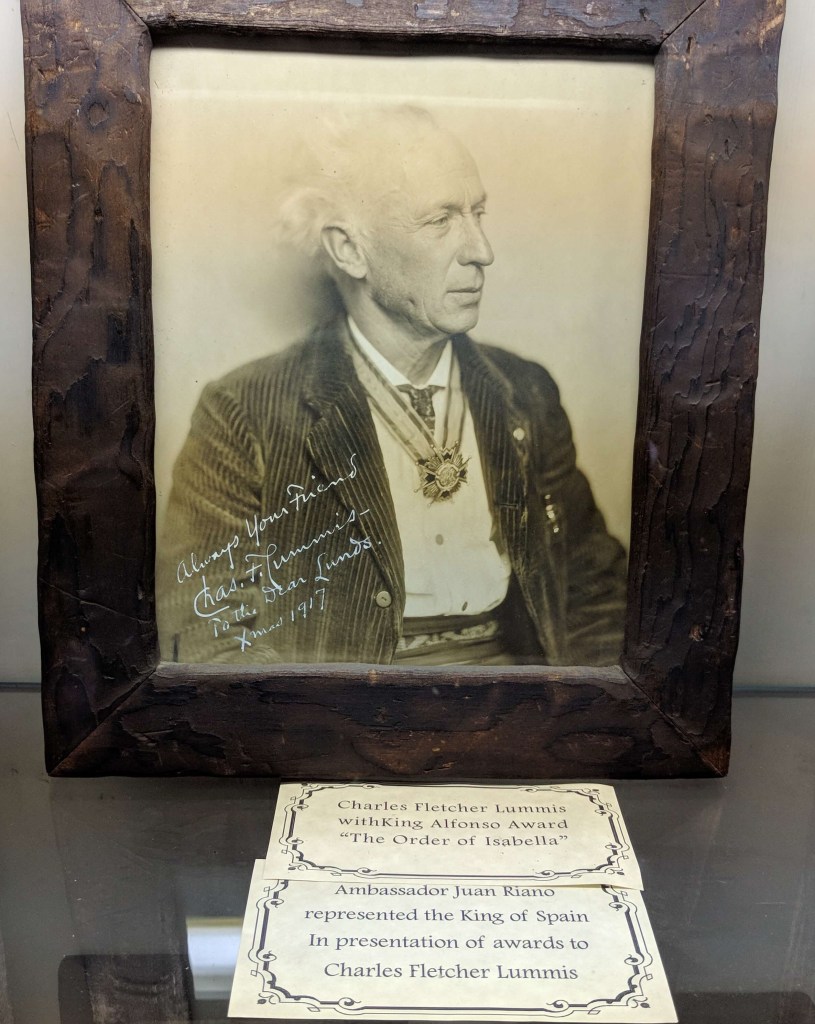
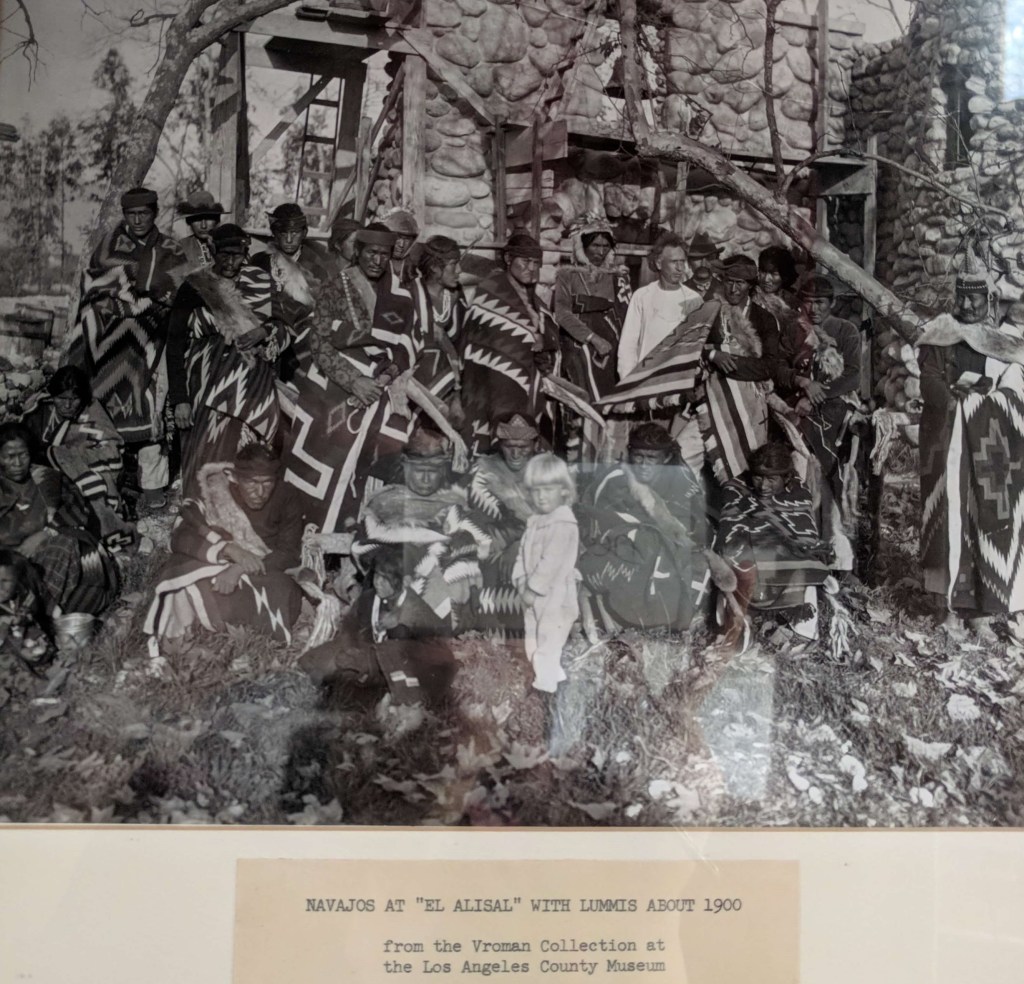
Upon settling in Los Angeles, Lummis became a prominent contributor, serving as the city editor for the Los Angeles Times from 1885 to 1887, and later as the Los Angeles Public Library director from 1905 to 1910. Activist for Native American rights, he founded the Southwest Museum of the American Indian and the Sequoya League, which operated under the motto “to make better Indians by treating them better.”
Did you know
In 1915, “he was officially knighted and recognized as Sr. Don Charles F. Lummis” by The King Of Spain *
‘* Source: https://lummislegacyleague.org/charles-lummis-knighted-by-the-king-of-spain/
The Lummis Home History
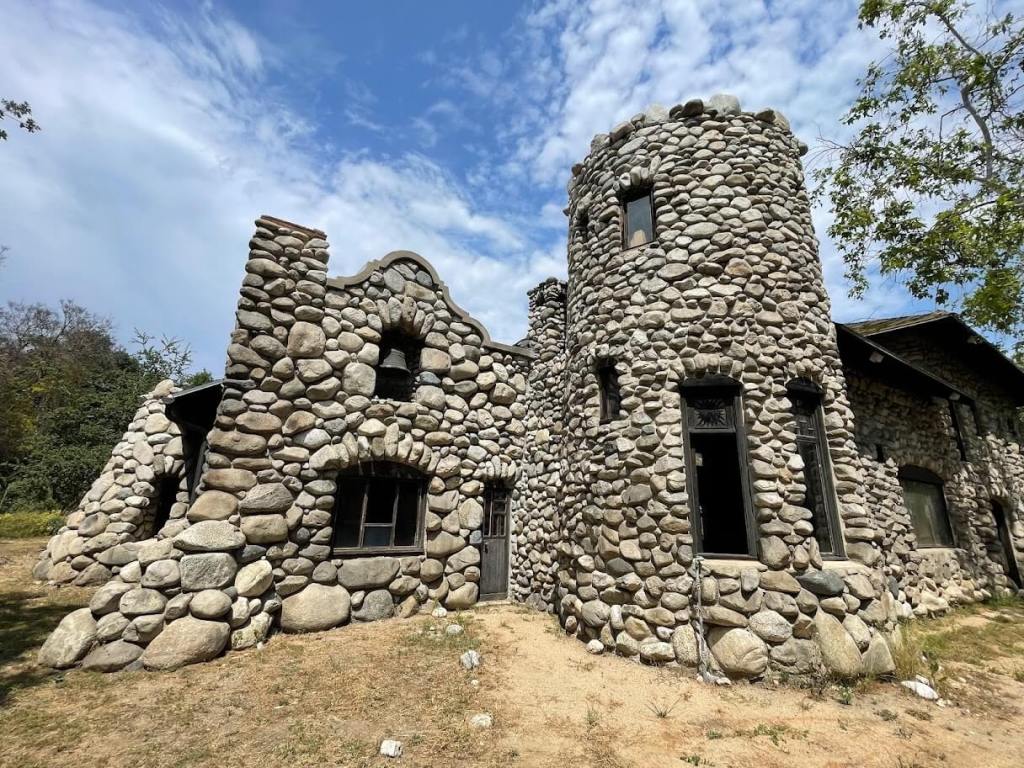
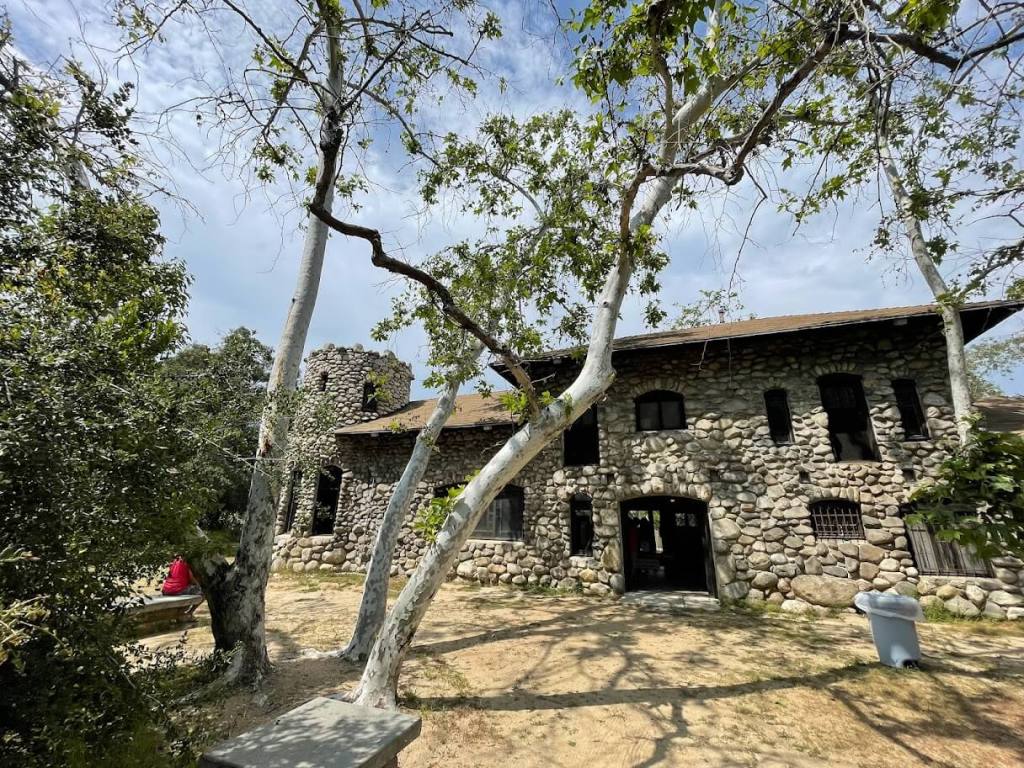
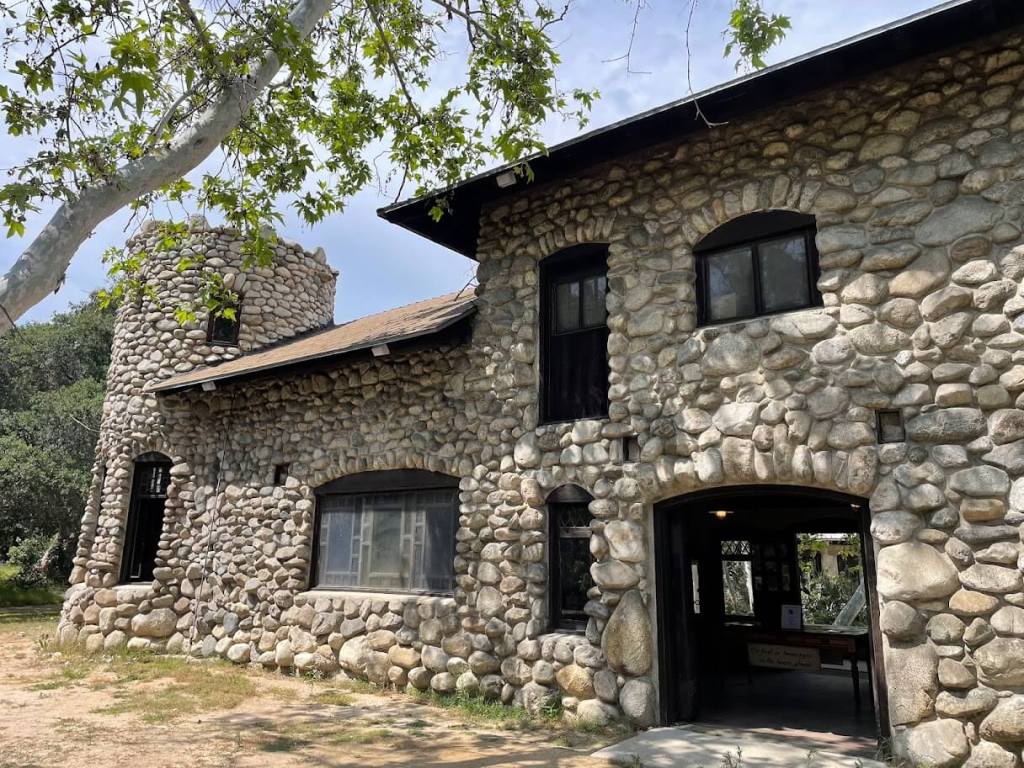
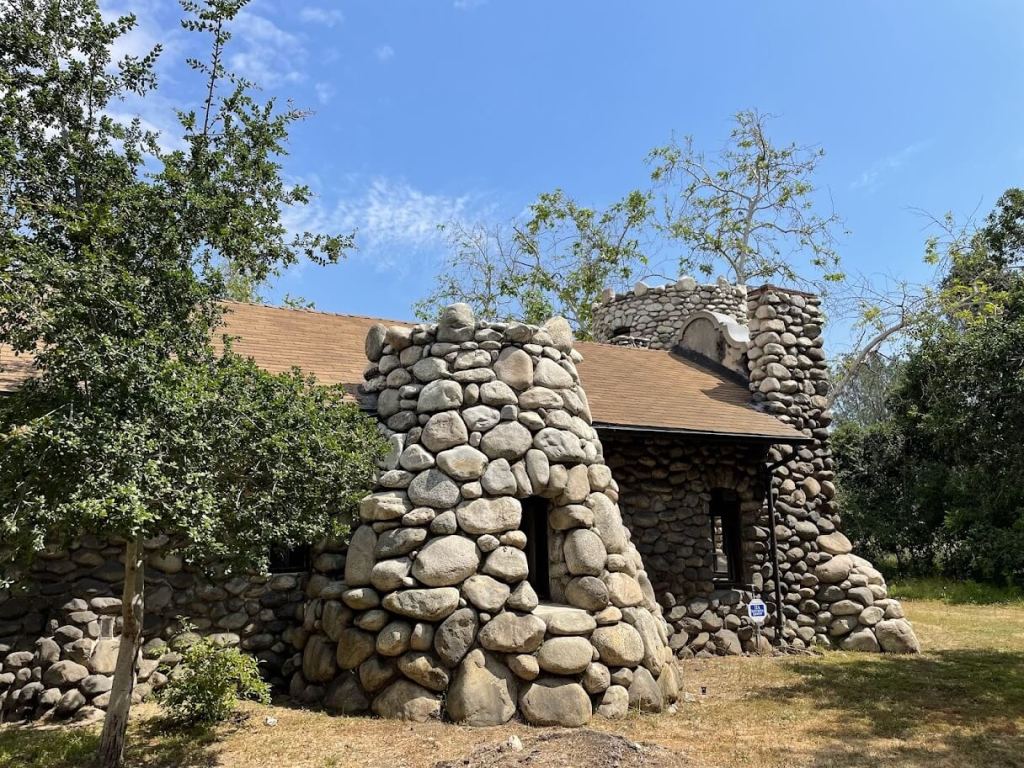
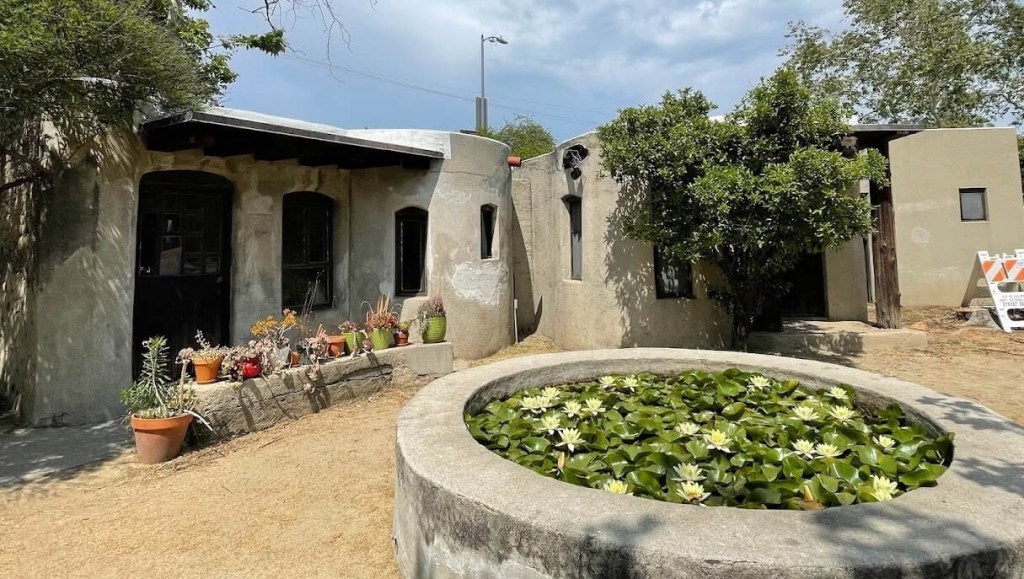
In 1898, Charles F. Lummis started building a new home in Los Angeles. Over the next 13 years, he crafted a 4,000 square-foot (370 m2) residence mixing Native American Pueblo, Spanish mission, and craftsman architectures. For the construction, he used Arroyo Secco River rocks, old railroad telegraph poles, and concrete floors. This architecture is an example of the Rustic American Craftsman style.
Did you know?
Charles F. Lummis named his house “El Alisal,” the place of the sycamores in Spanish.
Did you know?
The 2,5-acre site cost $650 in 1894.
About the Interior
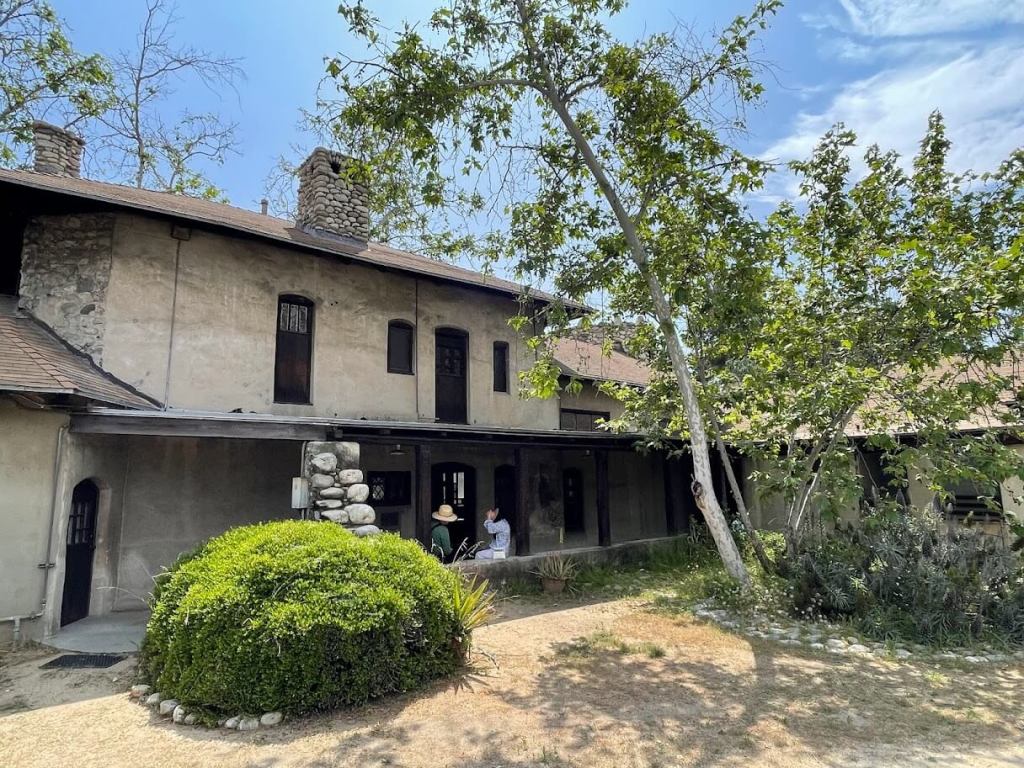
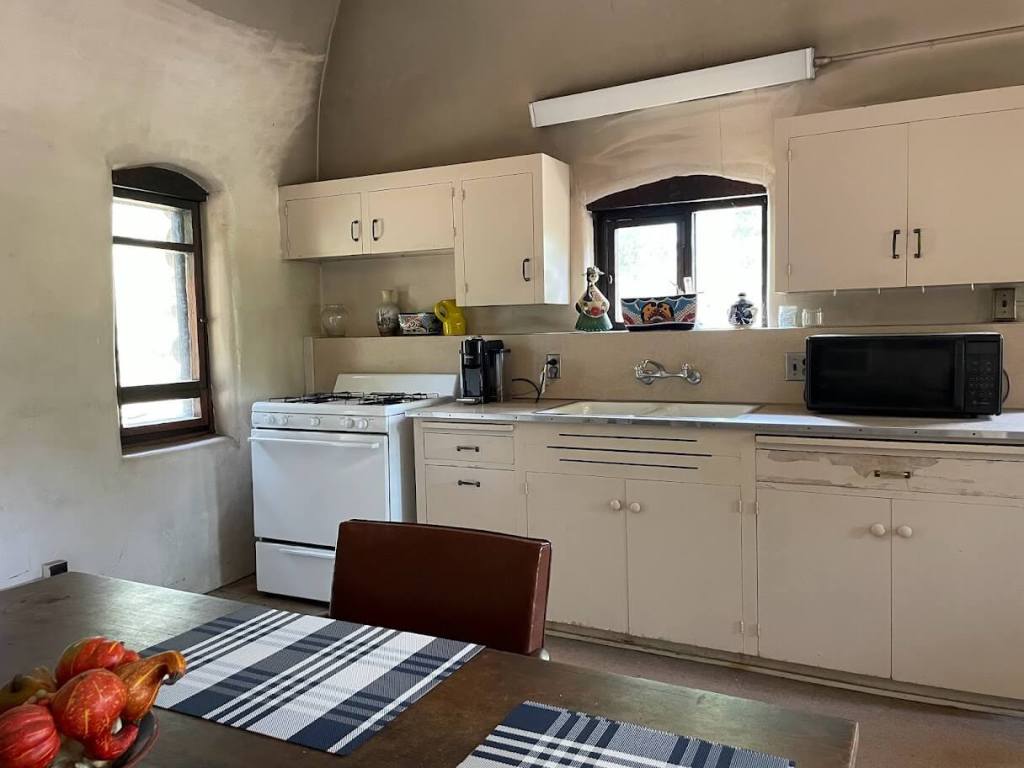
The two-story house consists of a living room, a comedor (dining room), a zaguan (entryway), and a kitchen area on the first floor. The second floor, including the balcony, remained unfinished following the passing of Amado, Charles Lummis’ son. Indeed, only two doors on the upper floor are visible on the facade.
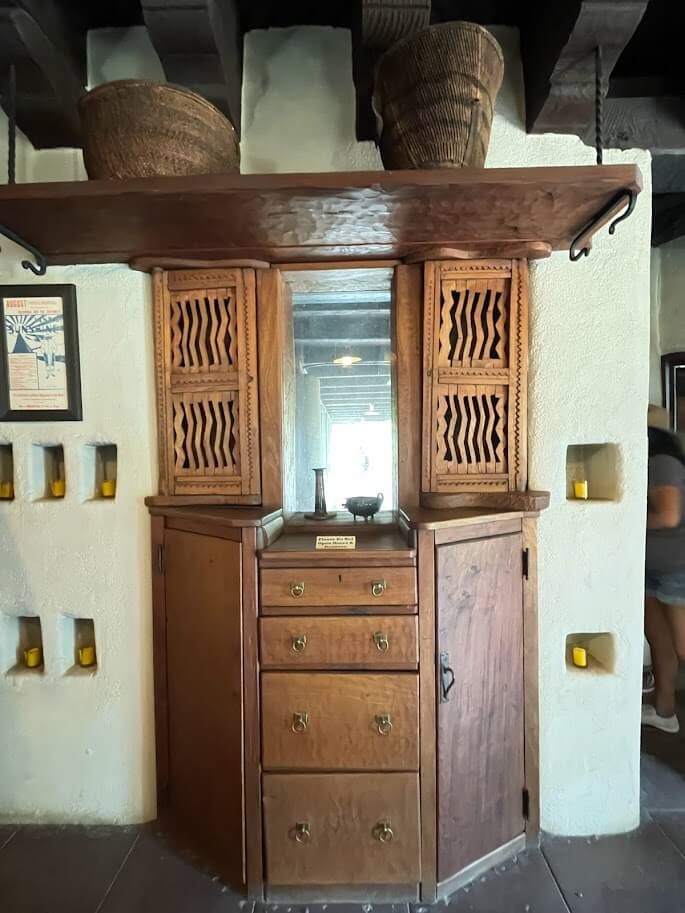

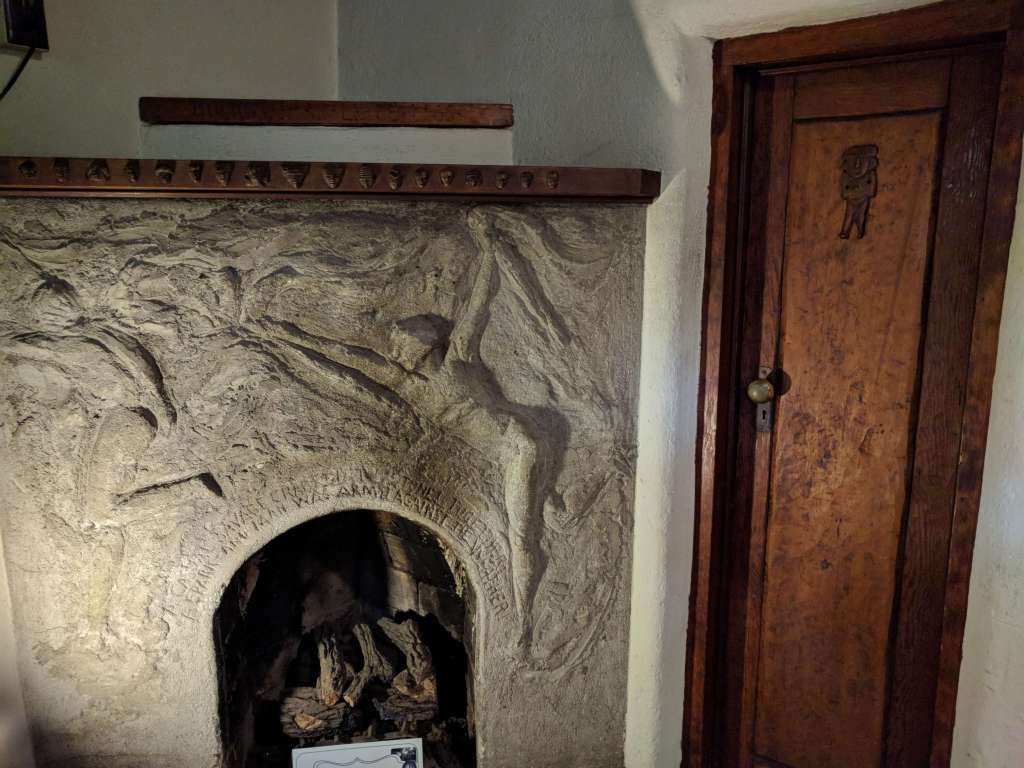
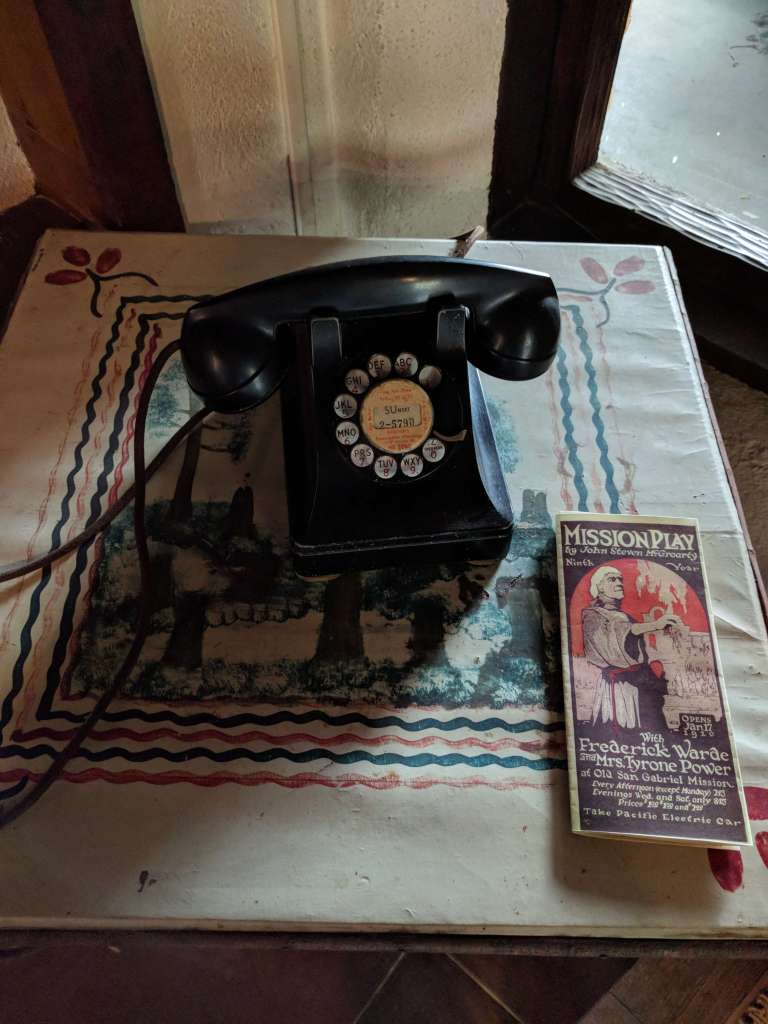
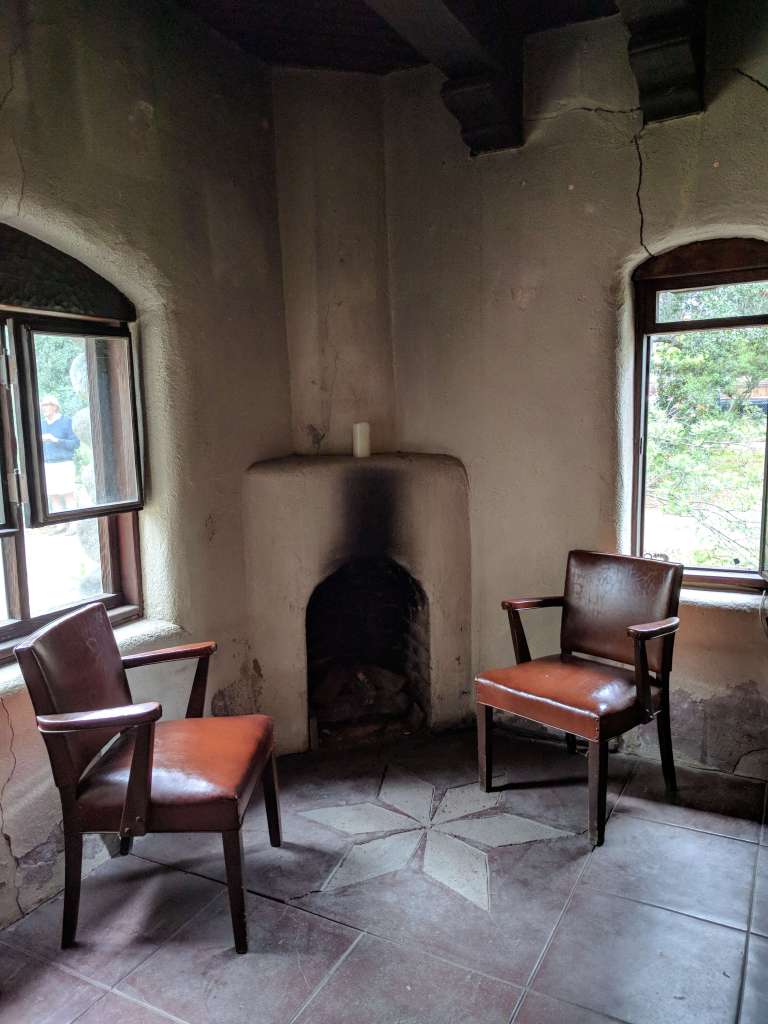
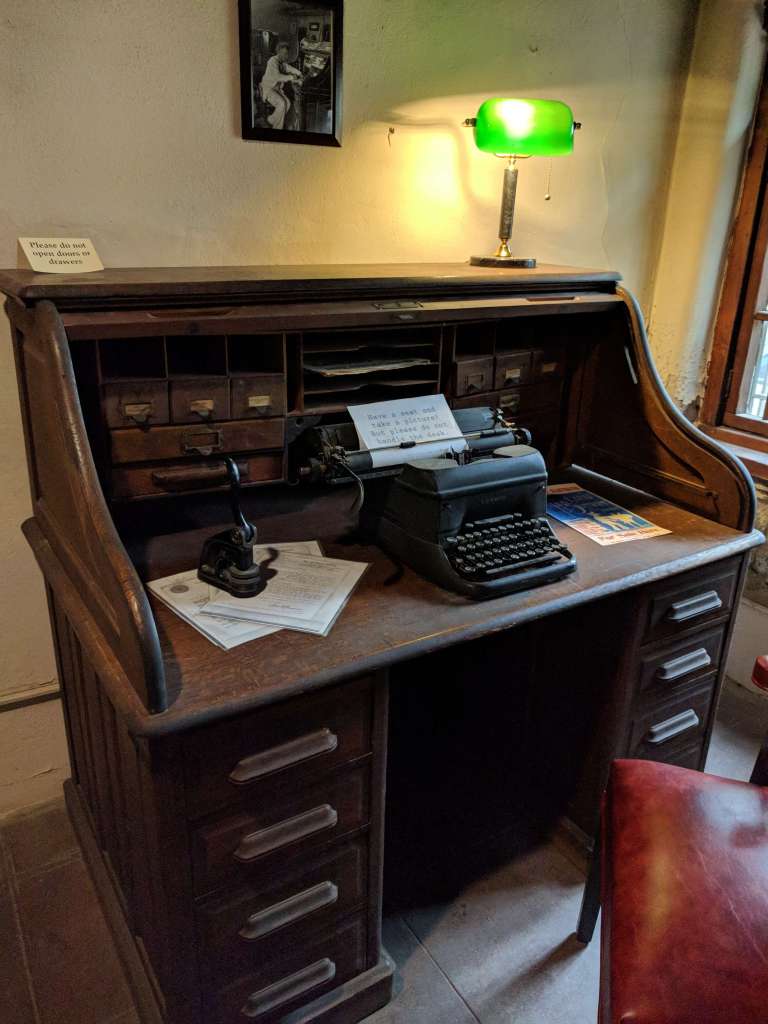
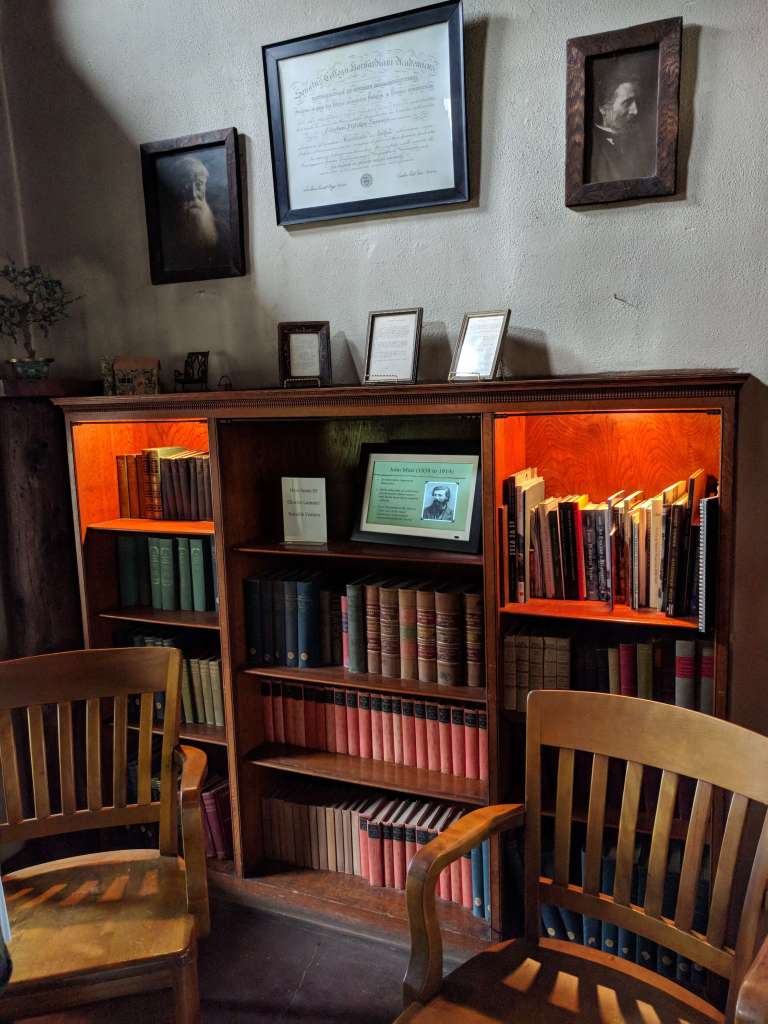
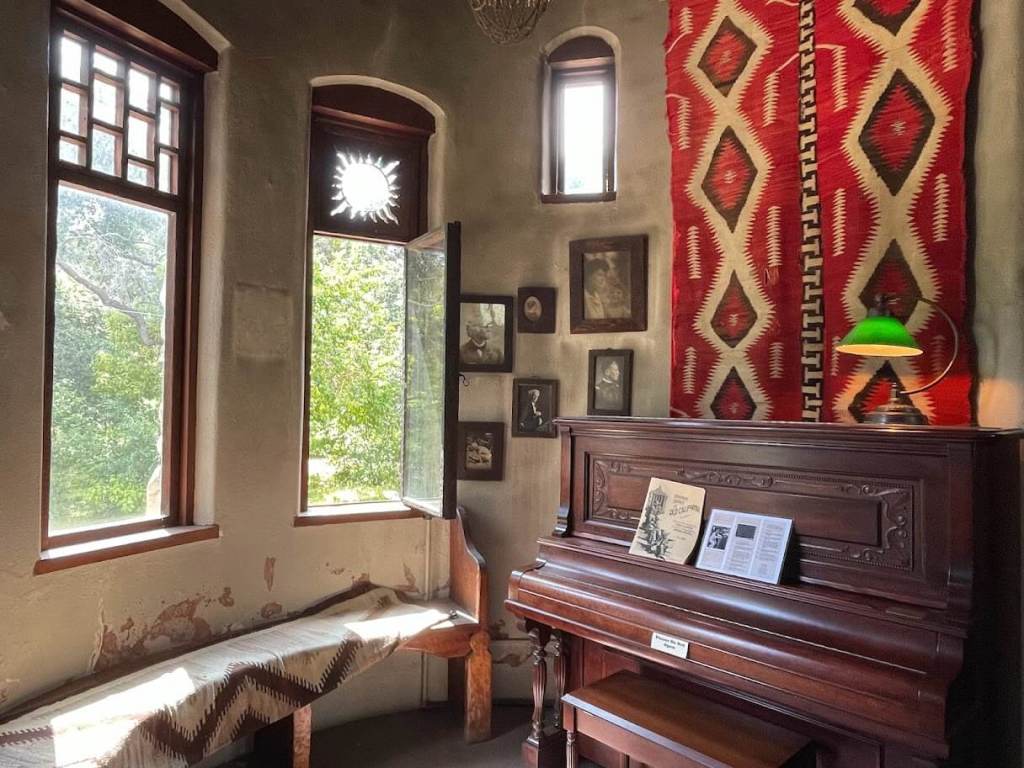
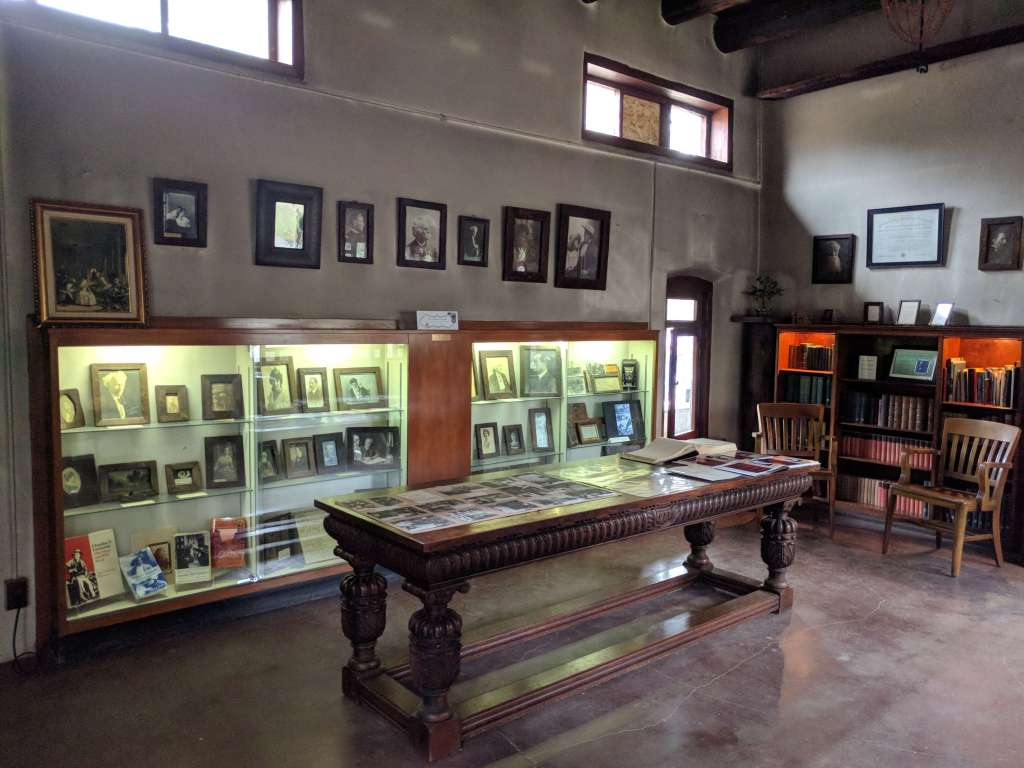
The museo is the most spacious room in the house, measuring 28 by 16 feet. It functioned as both a living room and an exhibition hall. Lummis organized numerous gatherings and parties, fondly referred to as ‘Noises.’ Over less than 30 years, the house book, spanning 500 pages, was signed by more than 7,000 guests. Among the distinguished visitors were personalities like performer and cowboy Will Rogers, conservationist John Muir, and poet Carl Sandburg.
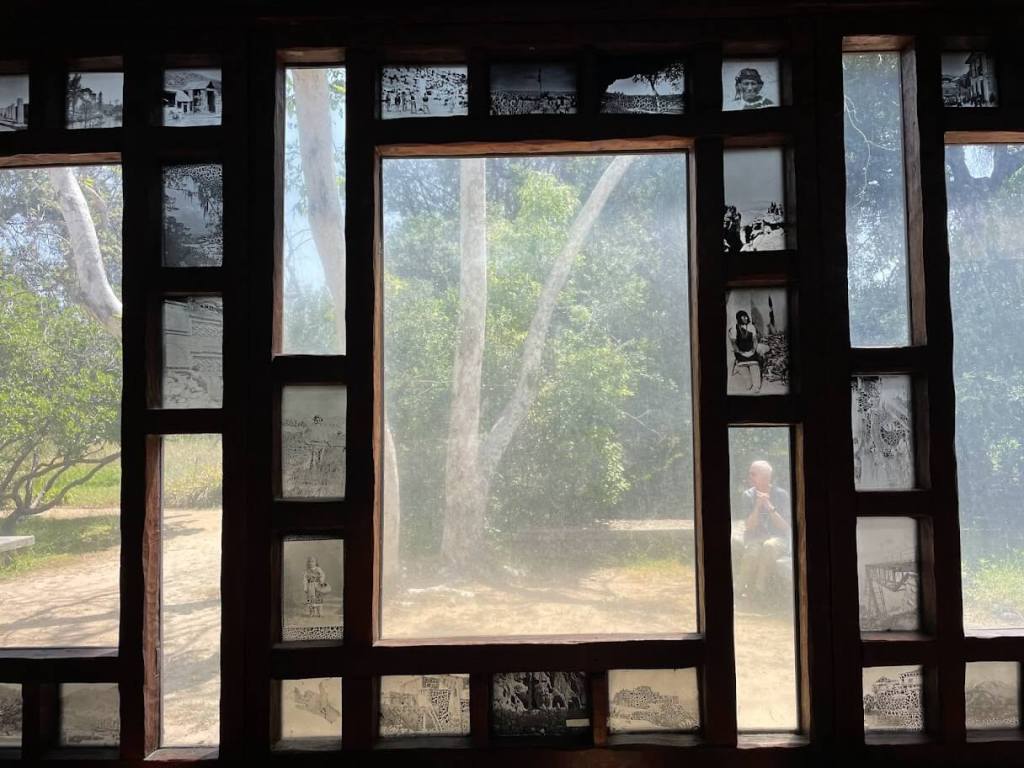
One specific interior feature is the photograph window representing glass-positive plates from Lummis’s travel from 1888-1896.
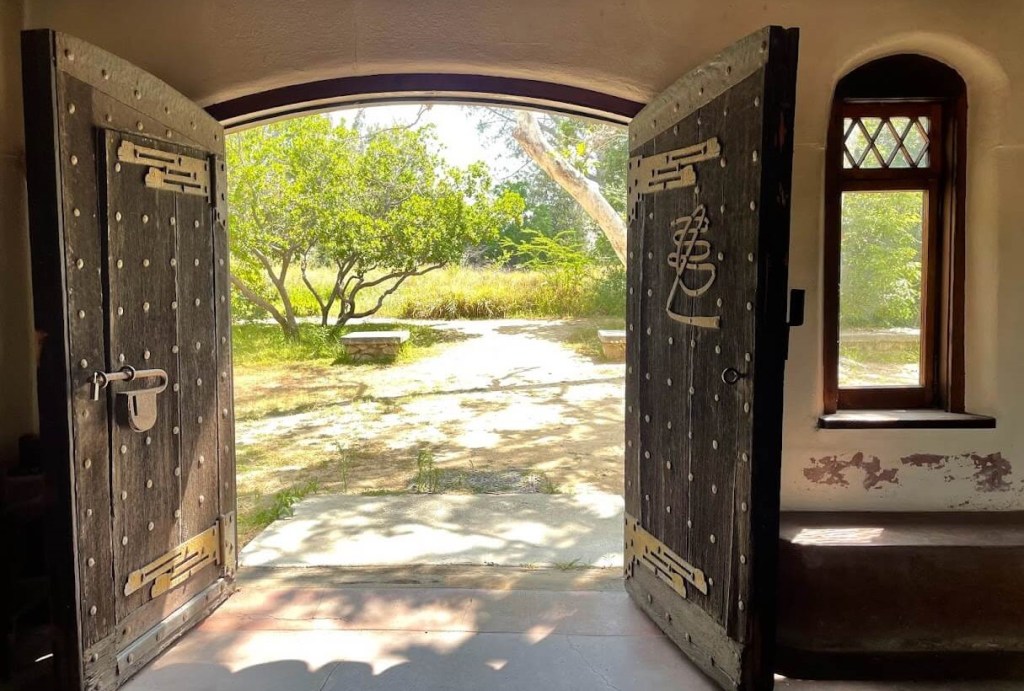
Did you know?
The symbol on the door was inspired by conqueror Francisco Pizzaro’s signature, also called rubrica.

About the Grounds
The lawn includes five different gardens: the regional plan garden, the California native garden, the yarrow meadow, the desert garden, and the citrus garden.
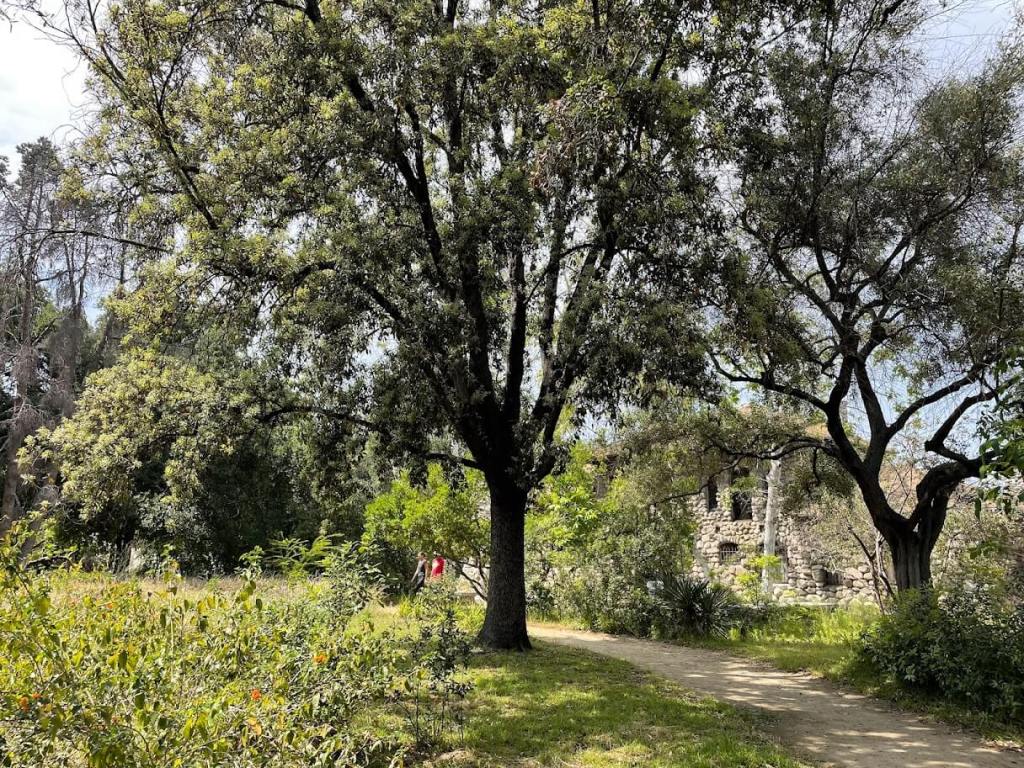
These gardens reflect Lummi’s appreciation for Native American culture and the American Southwest’s environment.
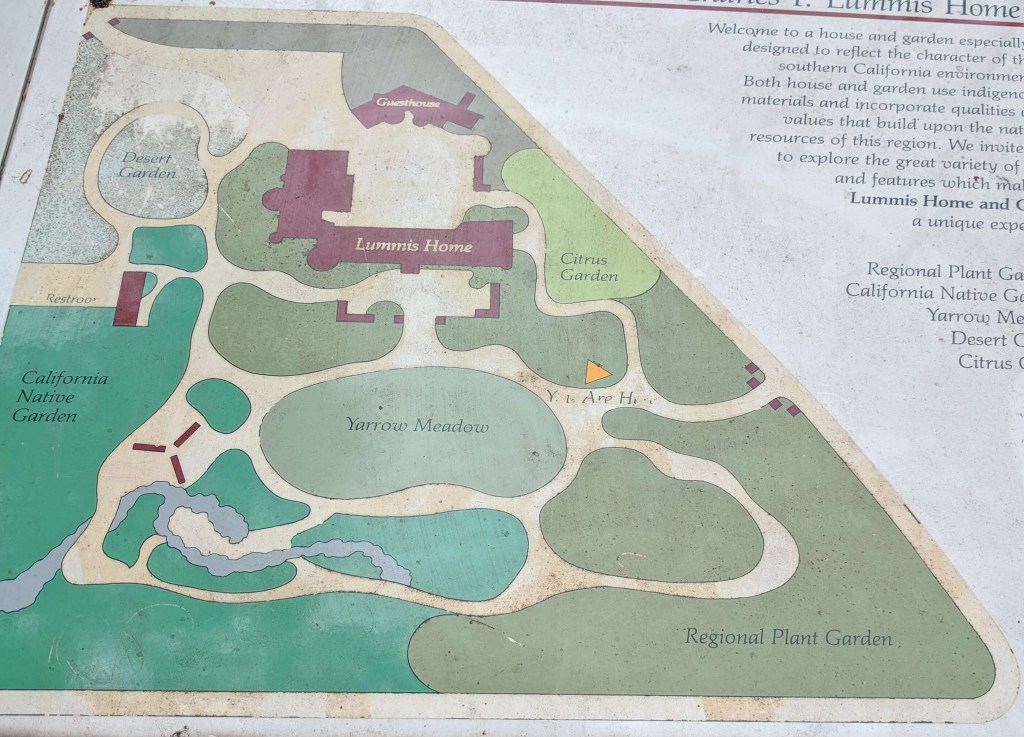
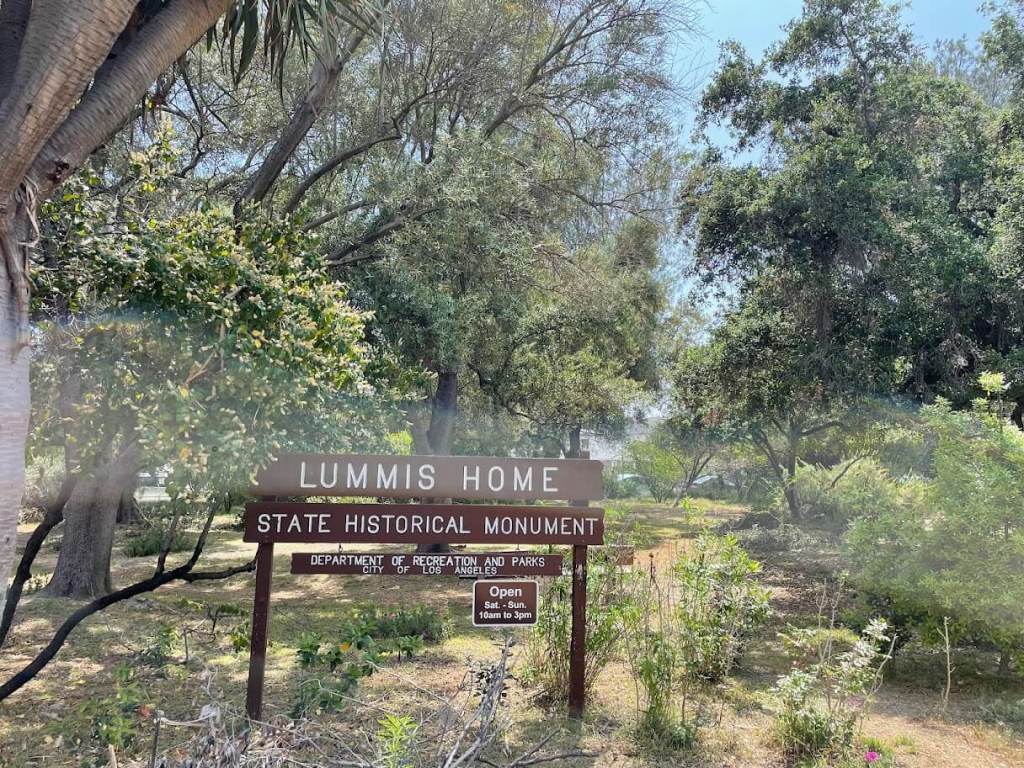
Ready to visit Lummis Home?
Pin this for later to help you plan your day in Los Angeles!
Plan your visit:
- Location: 200 E Ave 43 at Pasadena Freeway No. 11, Los Angeles, CA 90031
- Hours: 10 am – 3 pm Saturday and Sunday.
- Admission: Free
- Duration: I spent 1 hour discovering it
- Parking: unmetered street parking
- More information is available at https://www.laparks.org/historic/lummis-home-and-gardens
If you enjoyed this post, please comment and share it with a traveler visiting Los Angeles.

 DayDream Under the Stars