

3 minutes read
Welcome to Victorian-era Los Angeles! Wander through one of the city’s oldest neighborhoods, Angelino Heights, and uncover its rich history and evolution. Marvel at iconic homes that tell stories of the past, and discover how modern-day Angelino Heights seamlessly blends history with pop culture.
Lace up your walking shoes and get ready to stroll through the very Victorian streets of Los Angeles!
The History and Evolution of Angelino Heights
In 1886, developers William W. Stilson and Everett E. Hall founded a new residential district atop a 502-foot hill. This area, connected to downtown L.A. by the Temple Street Cable Railway and later by five trolley lines, attracted many middle-upper-class residents.

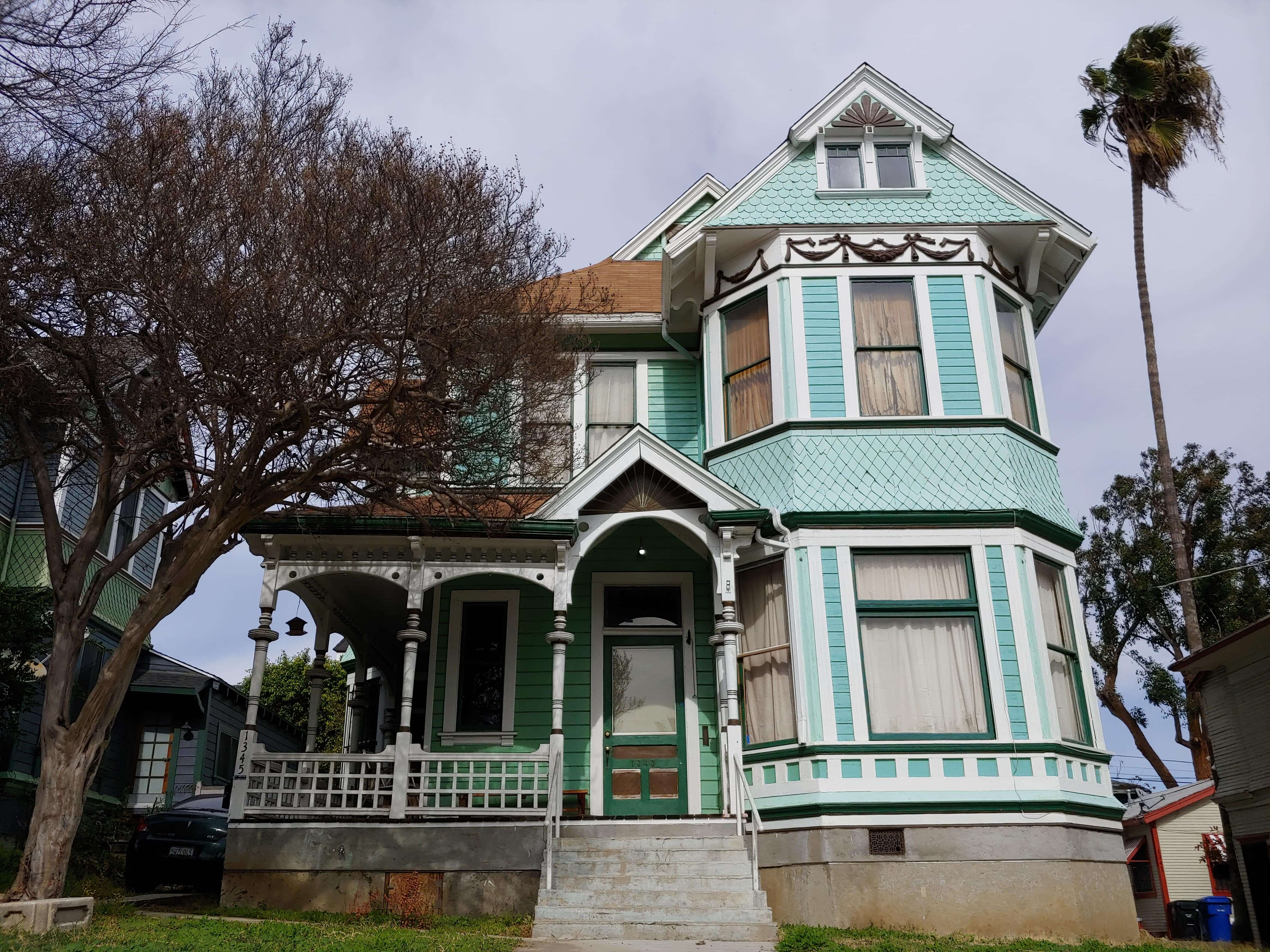
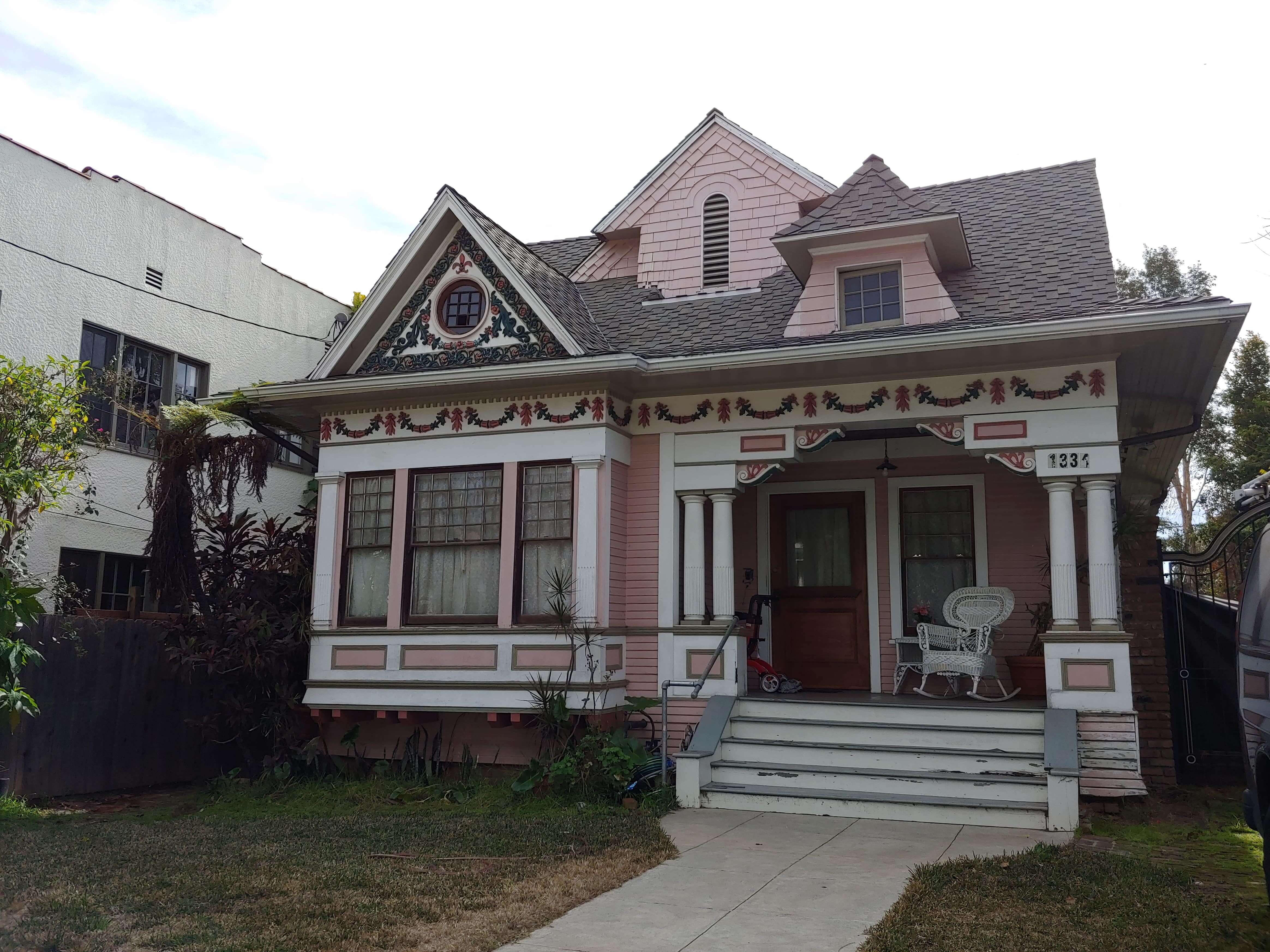
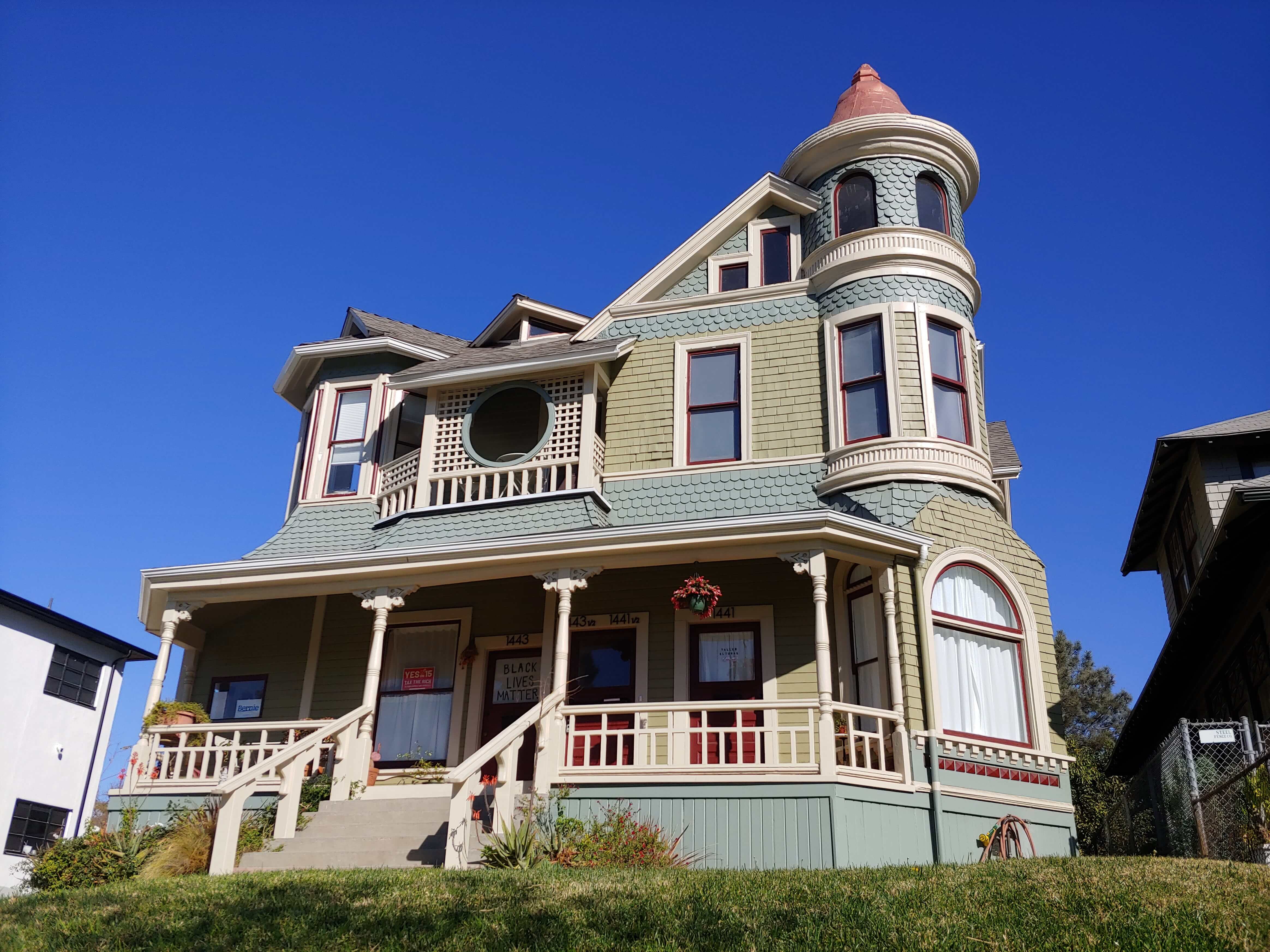
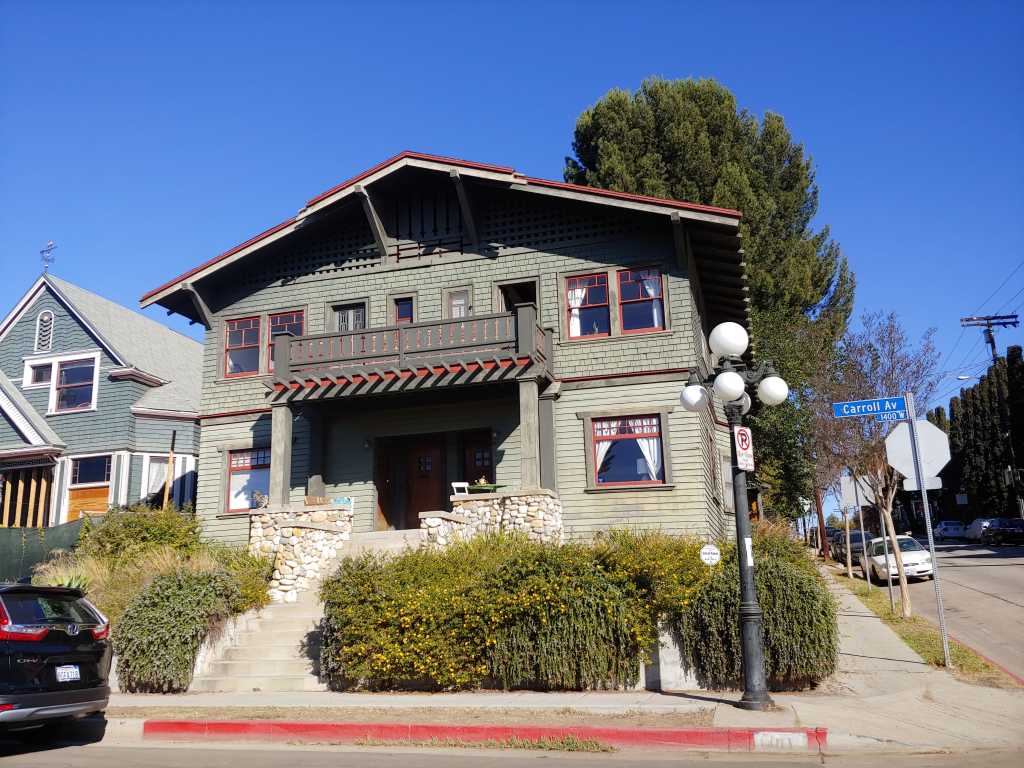
A variety of architectural styles emerged, including Victorian, Craftsman, Bungalow, Art Deco, Colonial Revival, and Mission Revival. These styles reflect three waves of development: the initial real estate boom in the 1880s, the surge between 1900 and 1915 driven by the movie industry, and the post-World War II population influx in 1945.


Did you know?
Angelino Heights is the second oldest district in Los Angeles (after Bunker Hill).
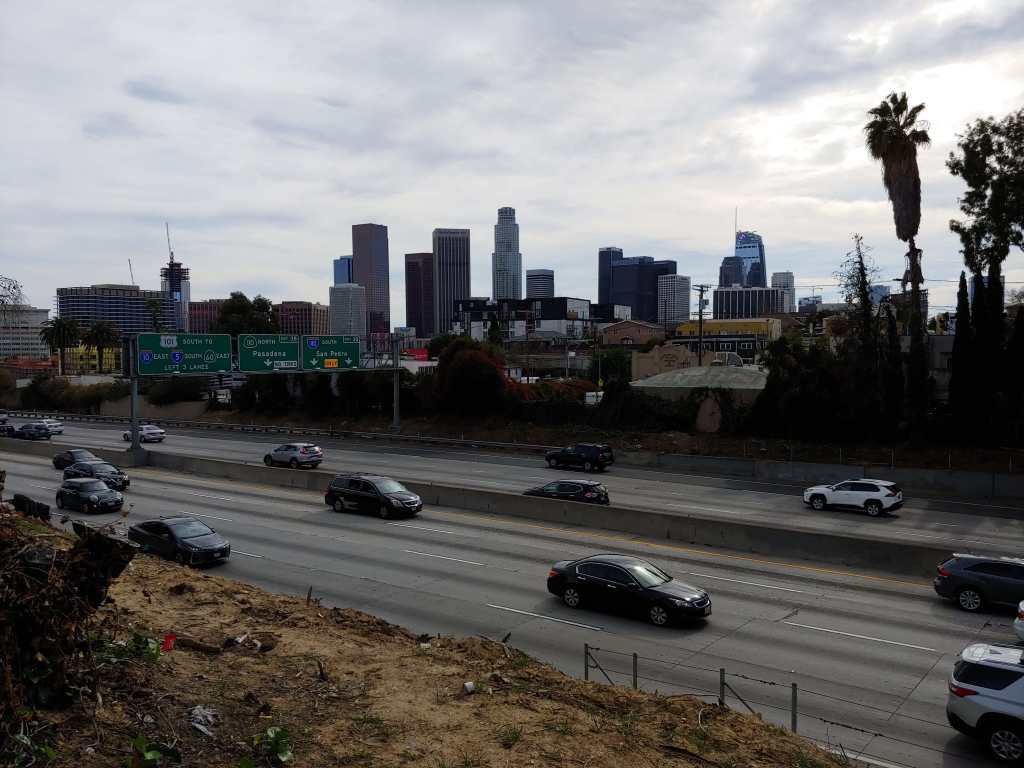
Unfortunately, in the late 1940s, a significant portion of the neighborhood was destroyed to make way for the Hollywood Freeway. Carroll Avenue, however, remains a testament to the city’s rich architectural heritage, regrouping the highest concentration of Victorian homes in Los Angeles.
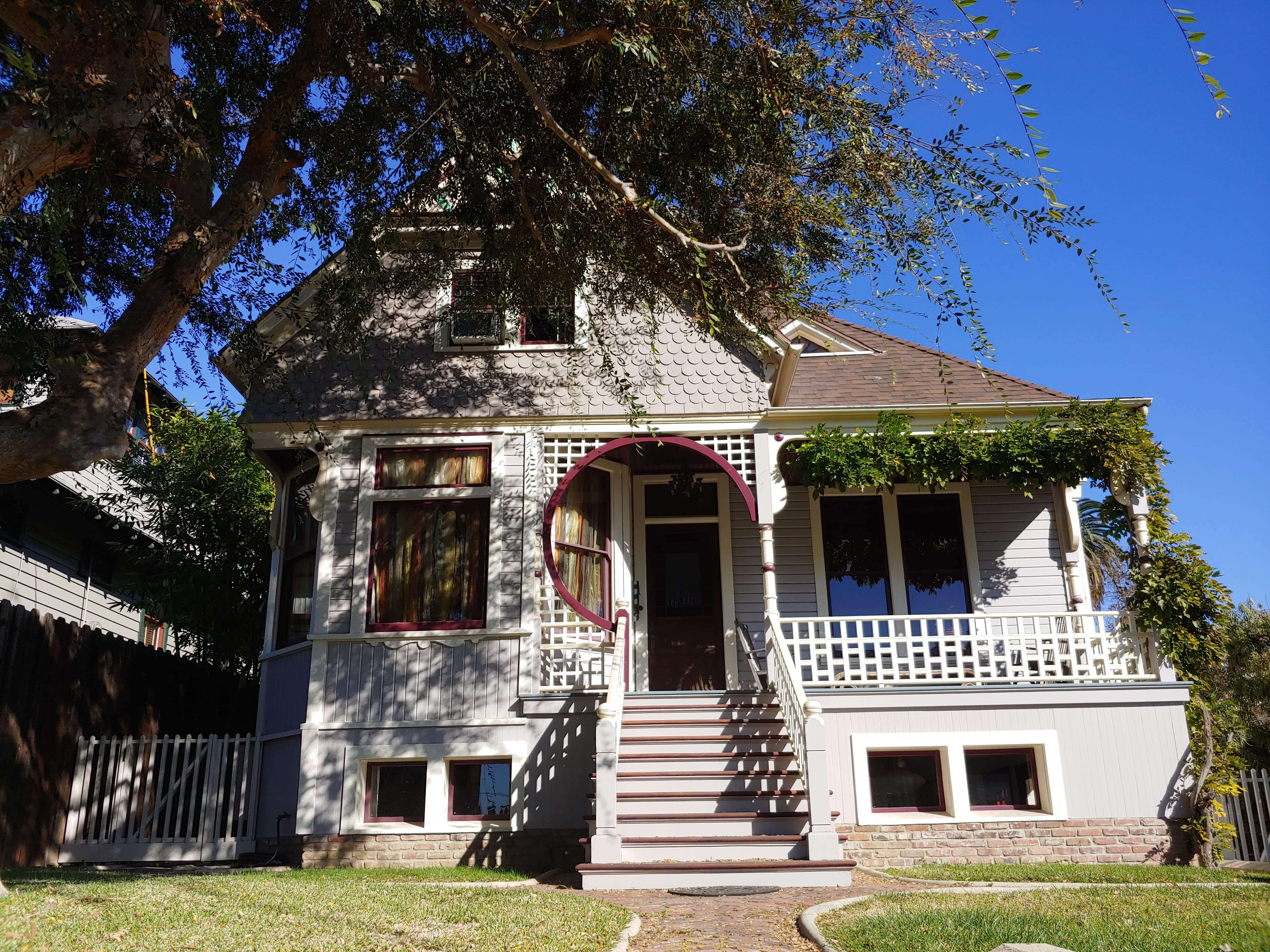
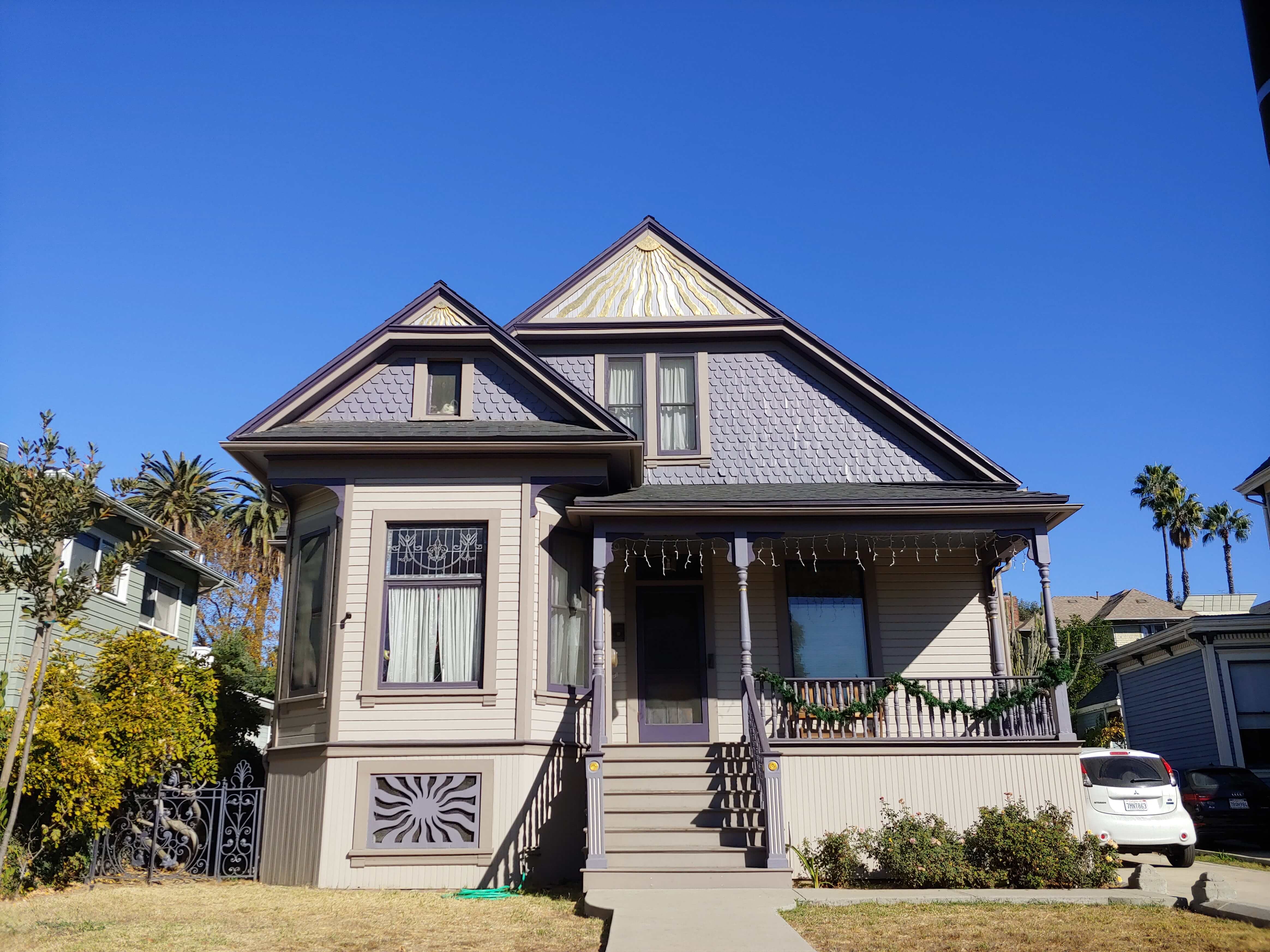


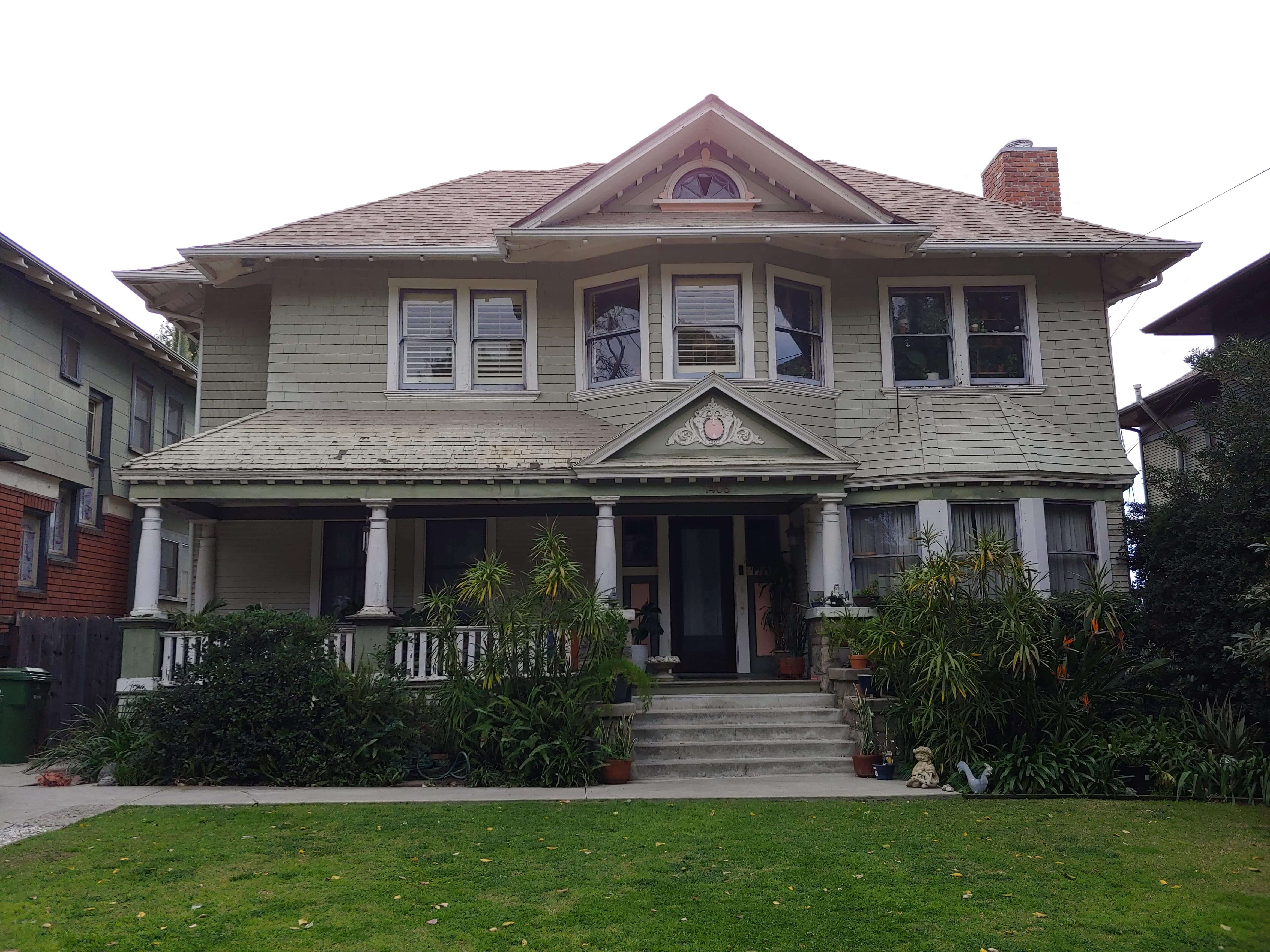
Angelino Heights, the first recognized historic district in the City of Los Angeles, became the city’s first Historic Preservation Overlay Zone (HPOZ) in 1983. Homeowners must maintain the original exterior style and interior features. Any changes, including painting, require HPOZ committee approval.

Behind the doors of some of Angelino Heights’ historic houses
The Innes House
Built in the late 1880s for city councilman and real estate developer Daniel Innes, this house is one of the original homes on Carroll Avenue. The two-story family residence was designed in the Eastlake style, characterized by its intricate wooden designs, geometric ornamentation, and low-relief carvings.

After 40 years, the Innes family sold the house to Dominic Iannorone in 1920. Upon his death, the property was acquired by the current owner, whose identity remains undisclosed.
Phillips House
The Phillips House is one of the most ornate homes in Angelino Heights, combining the Eastlake and Queen Anne Victorian styles. Built in 1887 for the Phillips family, it remained their residence until 1942. This grand architectural structure is a significant landmark in the historic district.
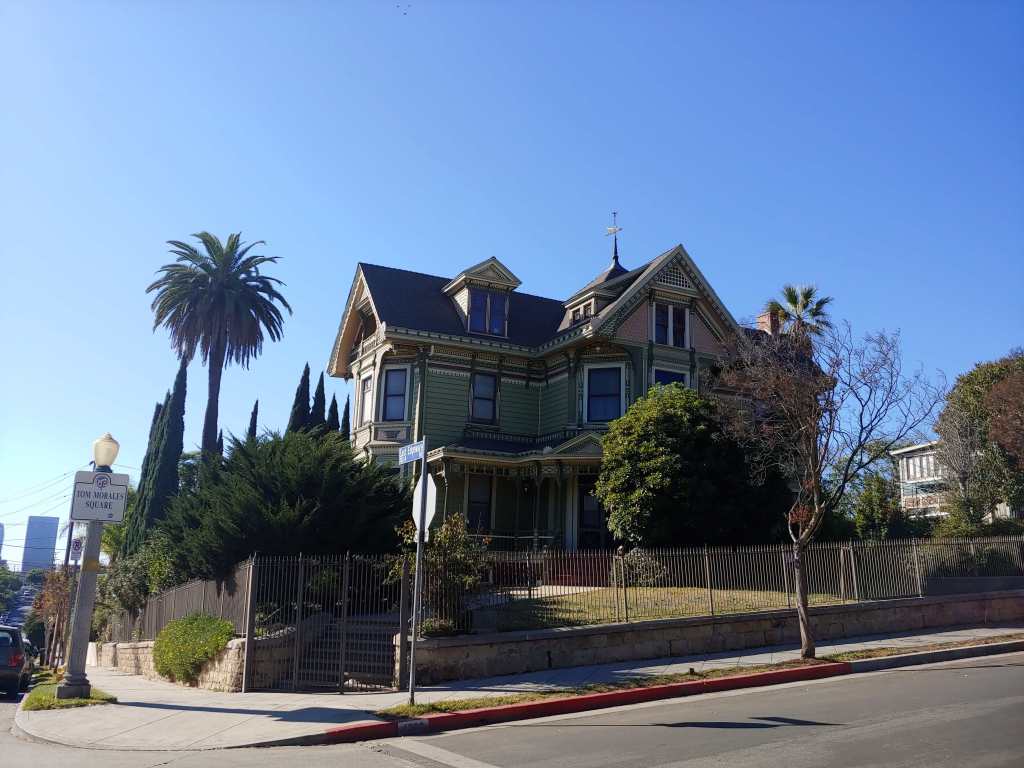
Libby House
The restored Libby House is a classic example of Queen Anne style. Built in 1887 for Caleb Libby, the exterior features ‘fish-scale’ shingles, stained glass windows, and a decorative porch.

The original carriage house at the back have been converted into lodging.
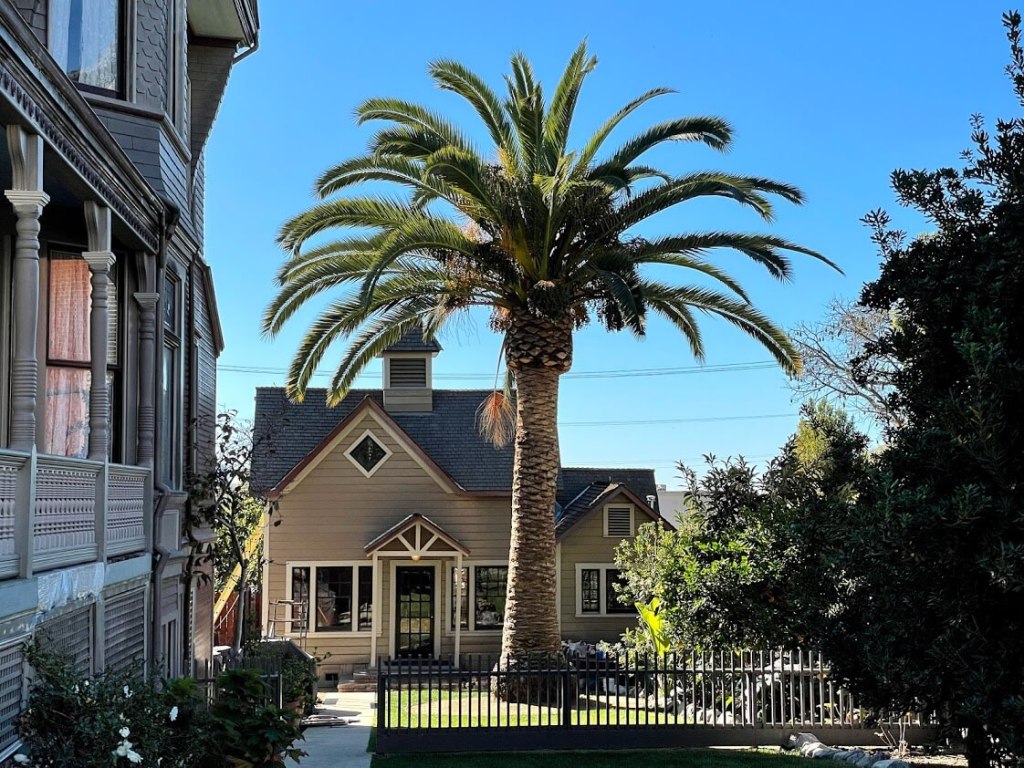
Haskins House
Built in 1894 for real estate developer Charles C. Haskins, this house is the last Victorian built on Carroll Avenue. The Queen Anne style house features elements of the Italianate style, including narrow windows, heavily bracketed cornices, and slant-sided bay windows.

Modern-Day Angelino Heights
Angelino Heights’ iconic homes have starred in numerous film and TV productions, starting around 1900 with Hollywood’s silent era. Kensington Road was famously used for chase scenes in the Keystone Cops series. This neighborhood also attracted notable residents during this period, including actresses Mary Pickford and Gloria Swanson, who called Angelino Heights home.
Did you know?
The district was originally spelled Angeleno Heights
More recently, the TV show “Charmed” was filmed at the Innes house, one of the original homes on Carroll Avenue. The exterior alone of the Innes House was used for filming the series as the Halliwell manor.
Below is the Dan Gordon’s manor located at 1337 Carroll Ave. Built in 1872, the Foy House is the oldest residence relocated to Angelino Heights.
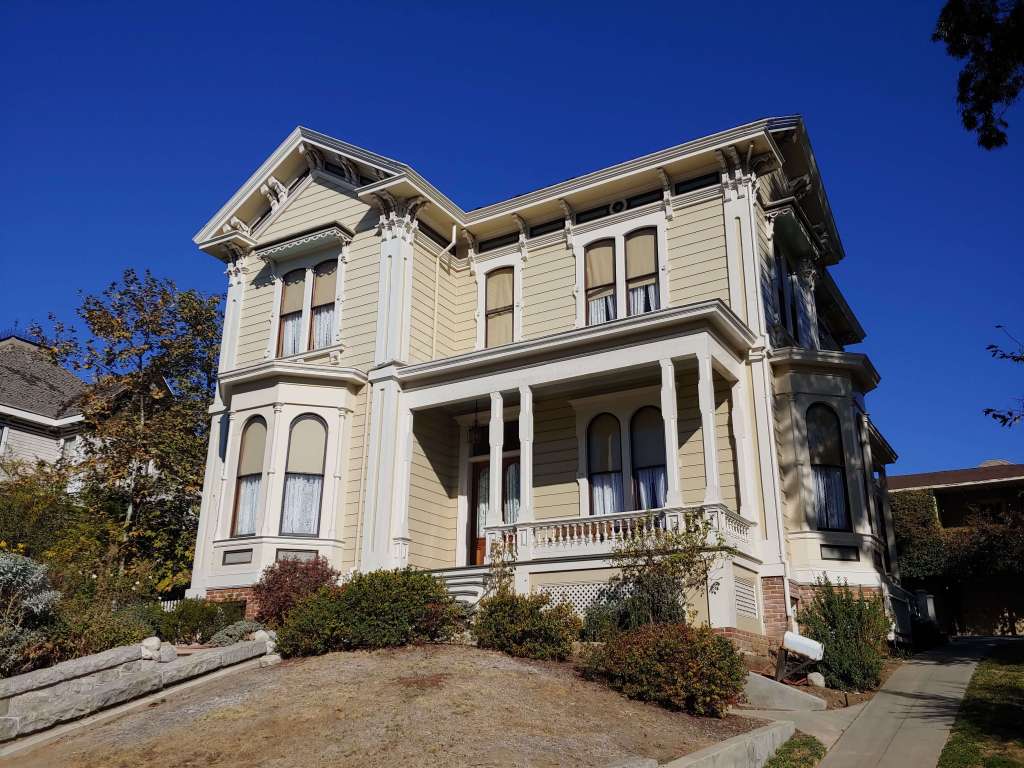
Next door, the Sanders house welcomed the iconic Michael Jackson “Thriller” music video and the movie “Teen Wolf” (1989).

Did you know?
The Moreton Bay Fig Tree beside the house, planted in the late 1800s, is also a protected landmark.
More filming locations: The house at 1355 Carroll Avenue is featured in the TV show ‘Mad Men.’ Meanwhile, 1324 Carroll Avenue appears in the movie ‘Grandma’s Boy’ with Adam Sandler. More recently, the house at 890-892 West Kensington Road has been featured in the TV show ‘You.’”
Additionally, Vin Diesel’s character’s home in “The Fast and the Furious” series is located in this area.

Angelino Heights inspires ‘haunted’ stories due to its rich history and atmospheric charm. During the spooky season, the neighborhood is festively decorated and becomes a popular spot for trick-or-treating.
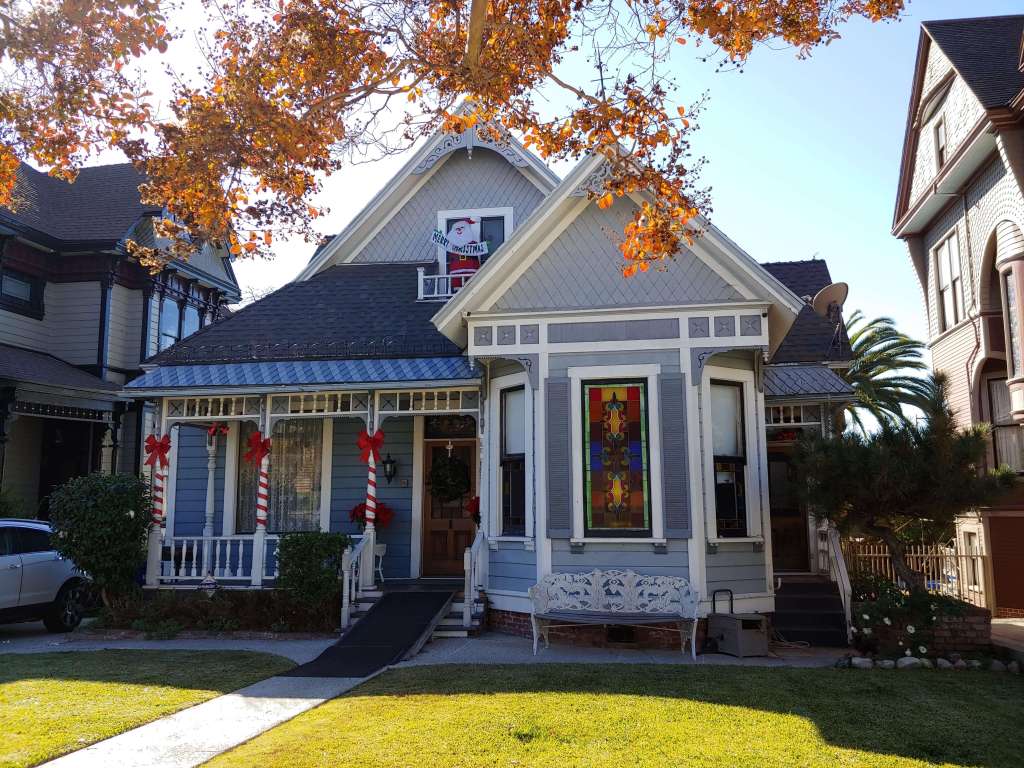
Article based on my visits in 2020,2021, and 2022.
Ready to unlock these gems?
Plan your visit:
- Location: Carroll Avenue Los Angeles, CA 90026.
- Hours: 24/7.
- Admission: Free
- Duration: 1 hour.
- Parking: Free Street parking
- More information is available at https://www.laconservancy.org/learn/historic-places/innes-house/.
- Los Angeles Conservancy walking Tour: https://www.laconservancy.org/tours-events/events-calendar/angelino-heights-walking-tour-2023-08-05/
If you enjoyed this post, I would love to hear from you! Please comment below and share this with anyone planning a trip to Los Angeles.

 DayDream Under the Stars