
4 minutes read.
Welcome to Victorian-era Los Angeles! Journey through a century of Angelino architectural history at the Heritage Square Museum. Immerse yourself in local daily life as you explore beautifully preserved historical and architectural structures.
Ready to step back in time? Let’s explore it!
Preserving the past at The Heritage Square Museum
Following rapid urbanization in the 1960s, many 19th-century buildings in Los Angeles were demolished. To safeguard and celebrate the city’s heritage, a group of citizens formed the Cultural Heritage Foundation of Southern California, a nonprofit organization. Their mission “[..] is to Preserve, Collect, and Interpret the architecture, physical environment, and culture of Southern California during the first 100 years of statehood (1850 to 1950).”*
* Source: https://www.heritagesquare.org/about.
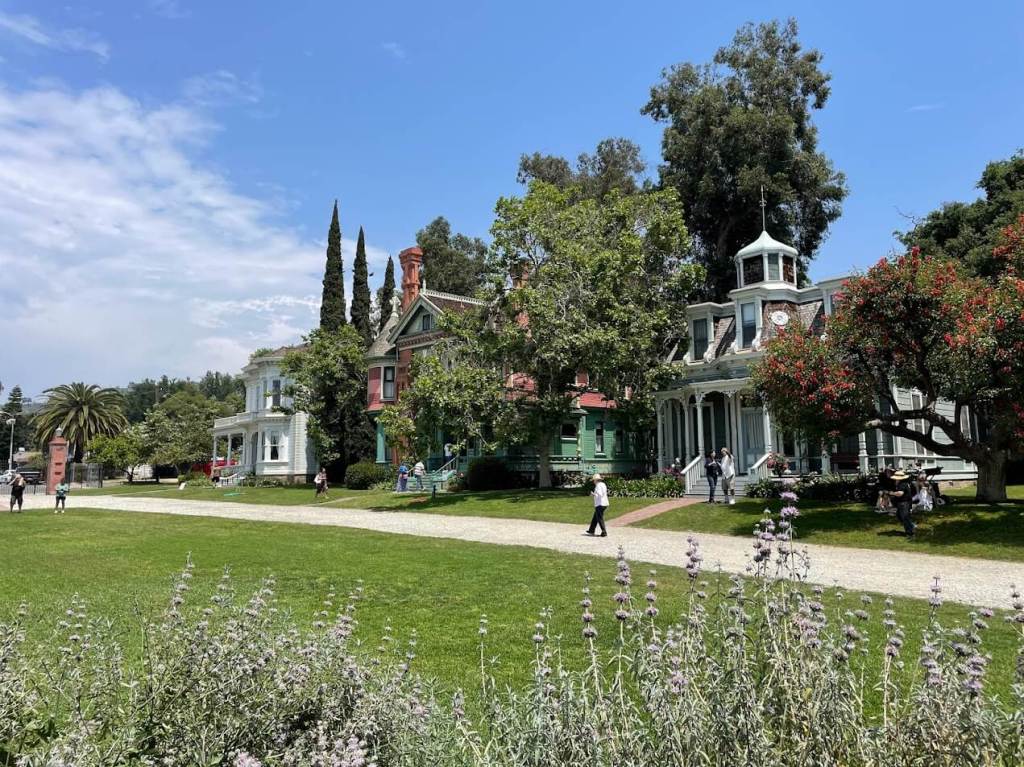
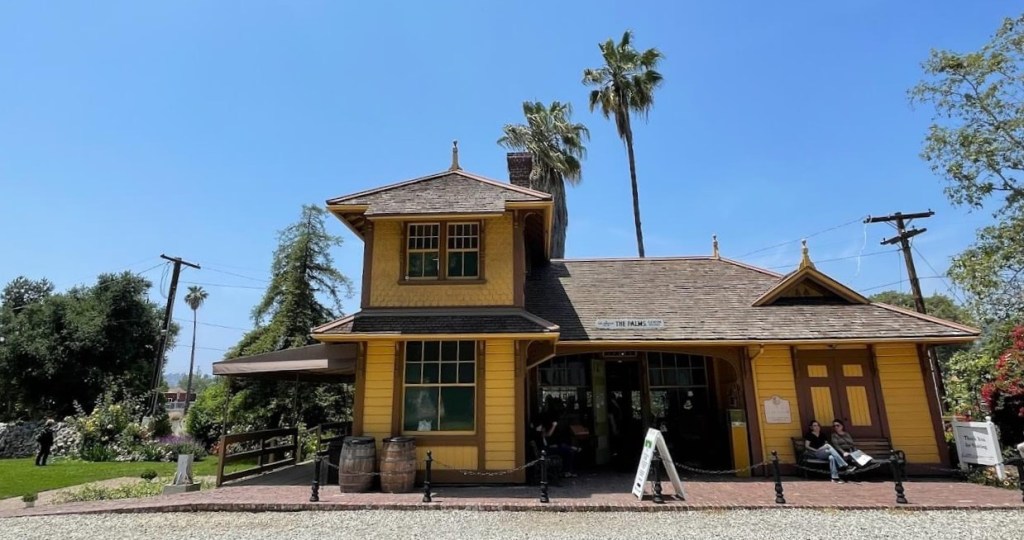
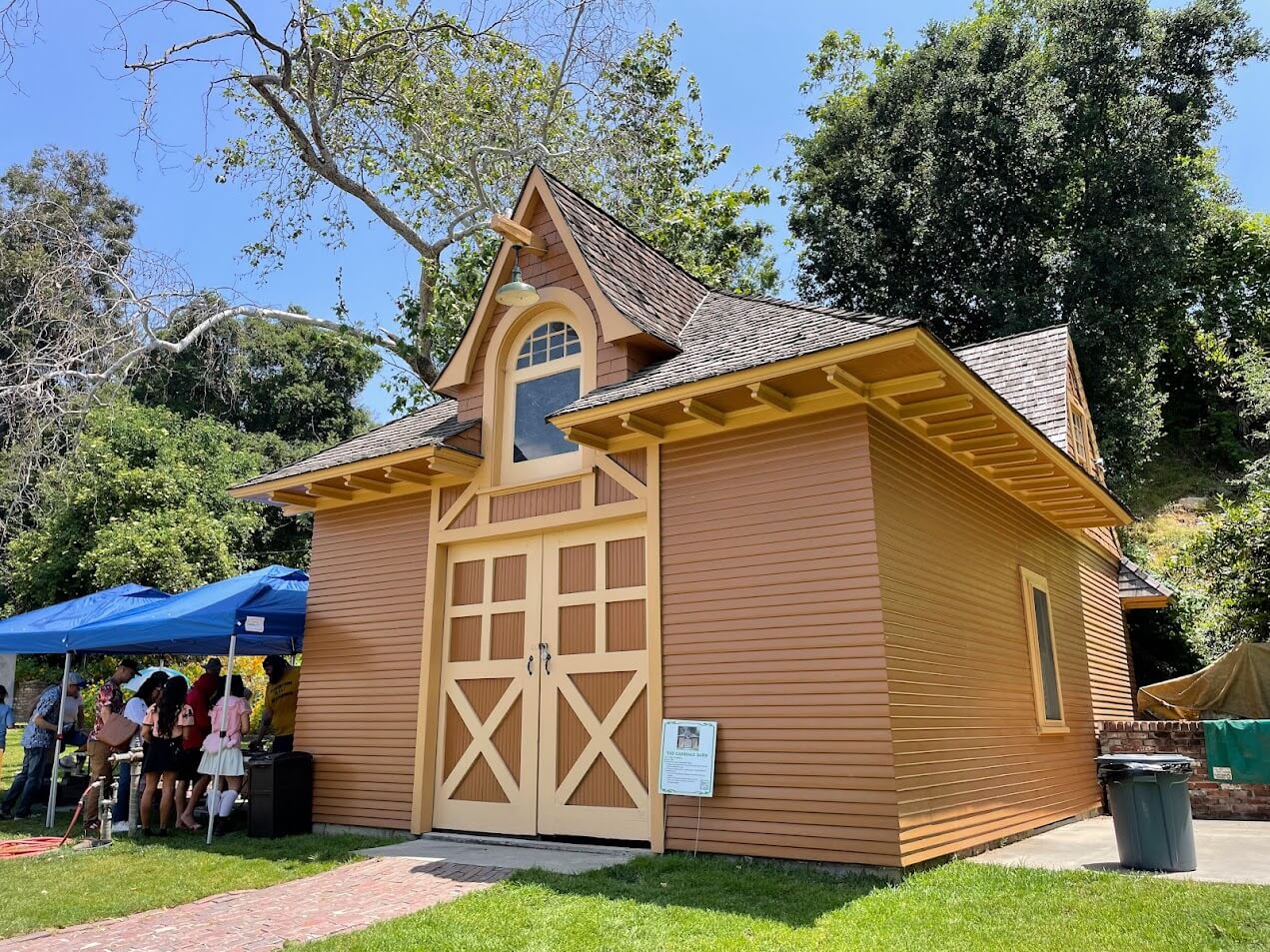
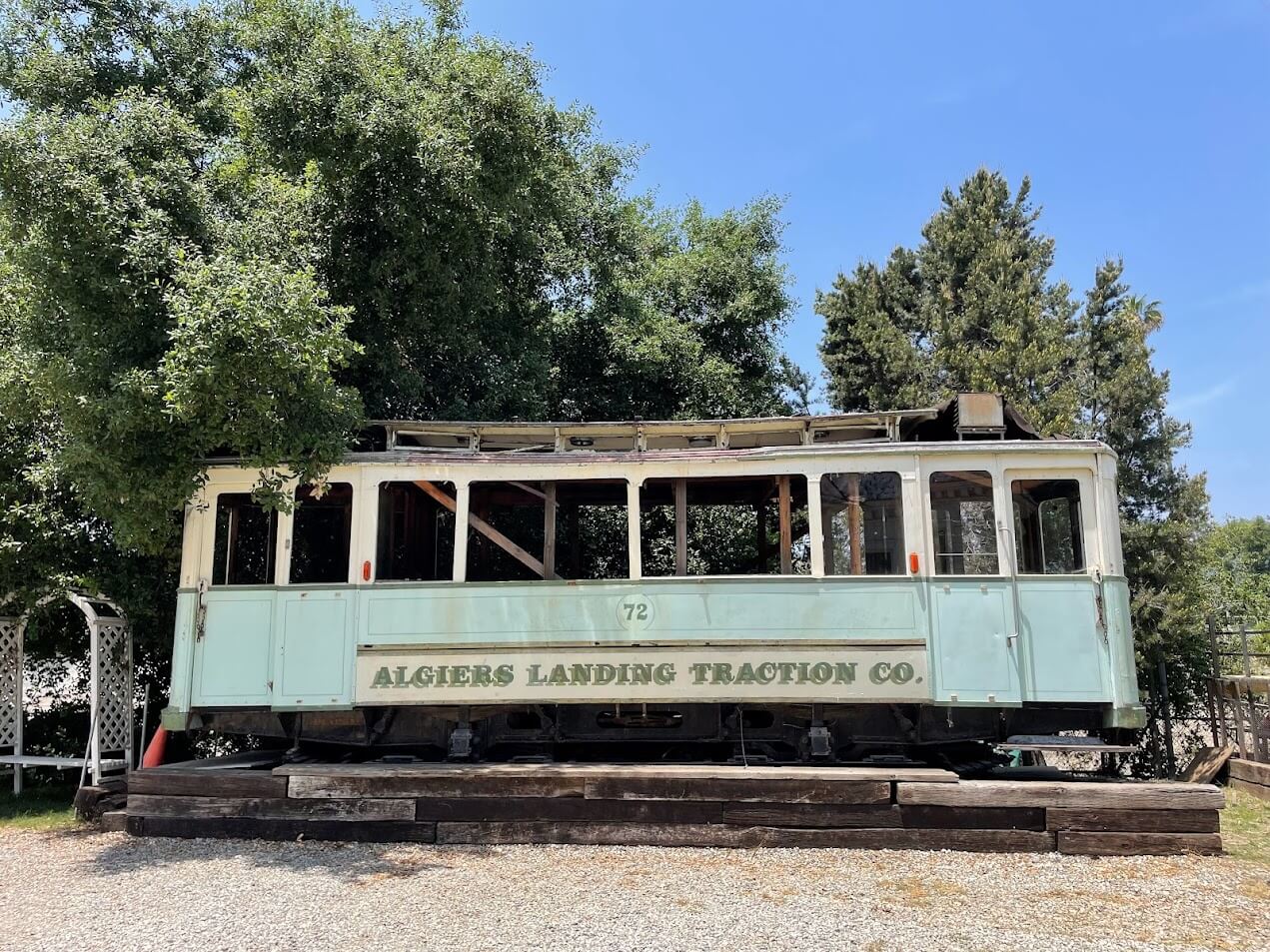
Established in 1969, the foundation developed a 10-acre open-air museum featuring eight restored buildings. These include five family homes, one church, one Palms depot, one trolley car, one drug store replica, and one carriage barn—each saved from demolition and relocated to the current site.
During your visit, you can explore the exterior structures on a self-guided tour or join a docent-led tour to step inside the historic buildings and learn more about their history.
The Heritage Square Museum hosts multiple events during the year like night tours for Halloween, street food cinema, and the MOTA: Museums of the Arroyo Day https://www.museumsofthearroyo.com/
The Hale House
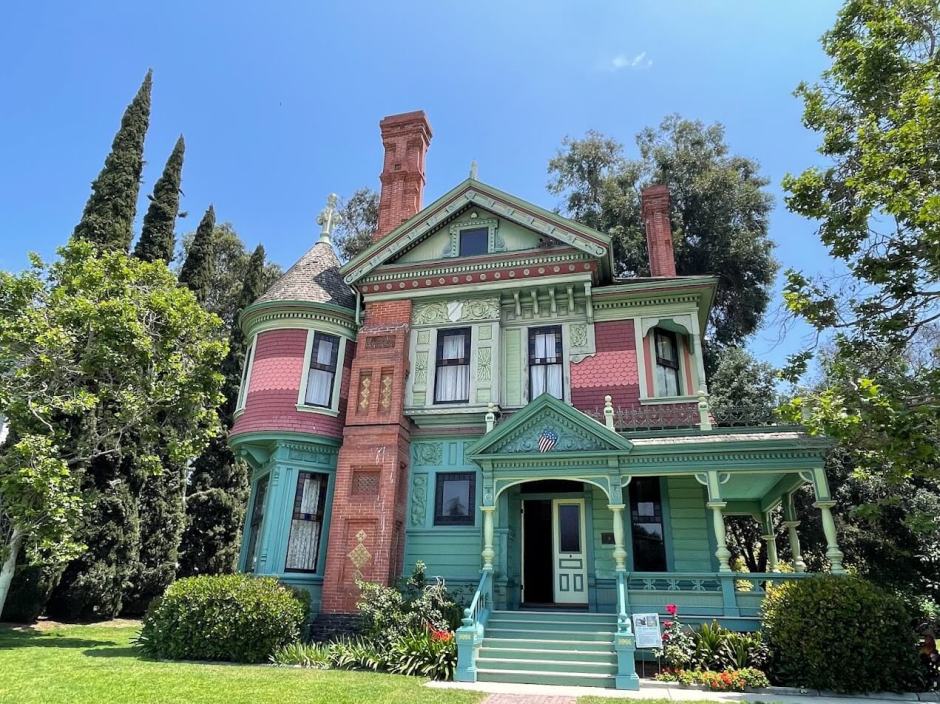
The Hale House, built in 1887 in Highland Park by Los Angeles architect Joseph C. Newsom, exemplifies Victorian Queen Anne Eastlake style.
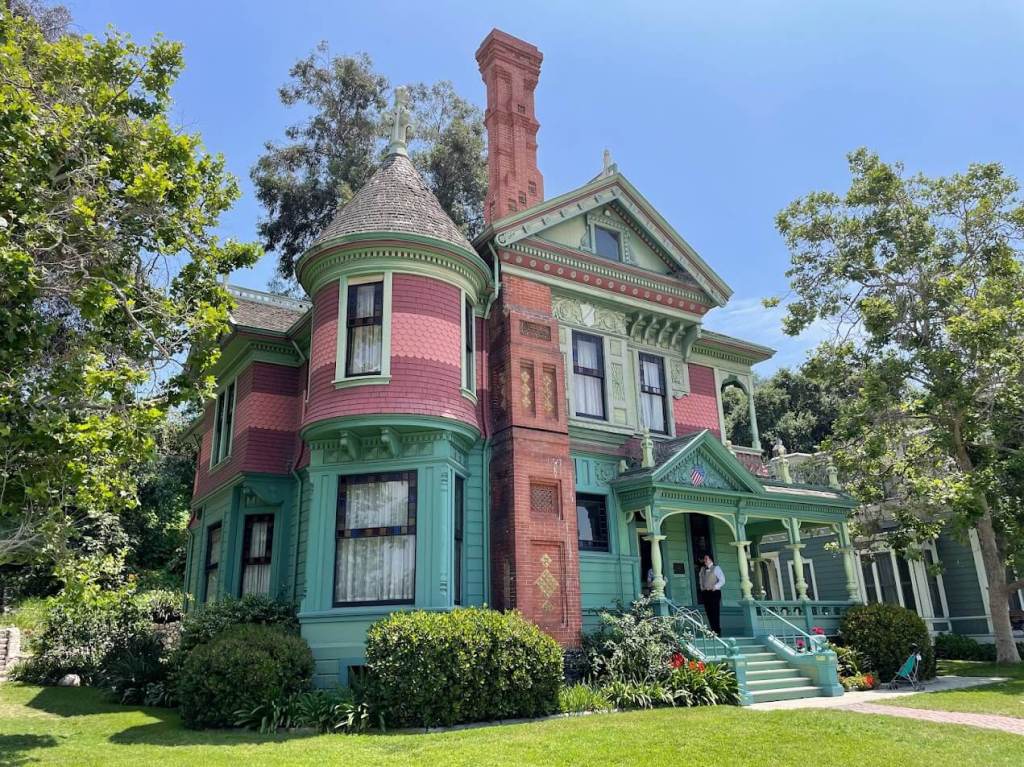
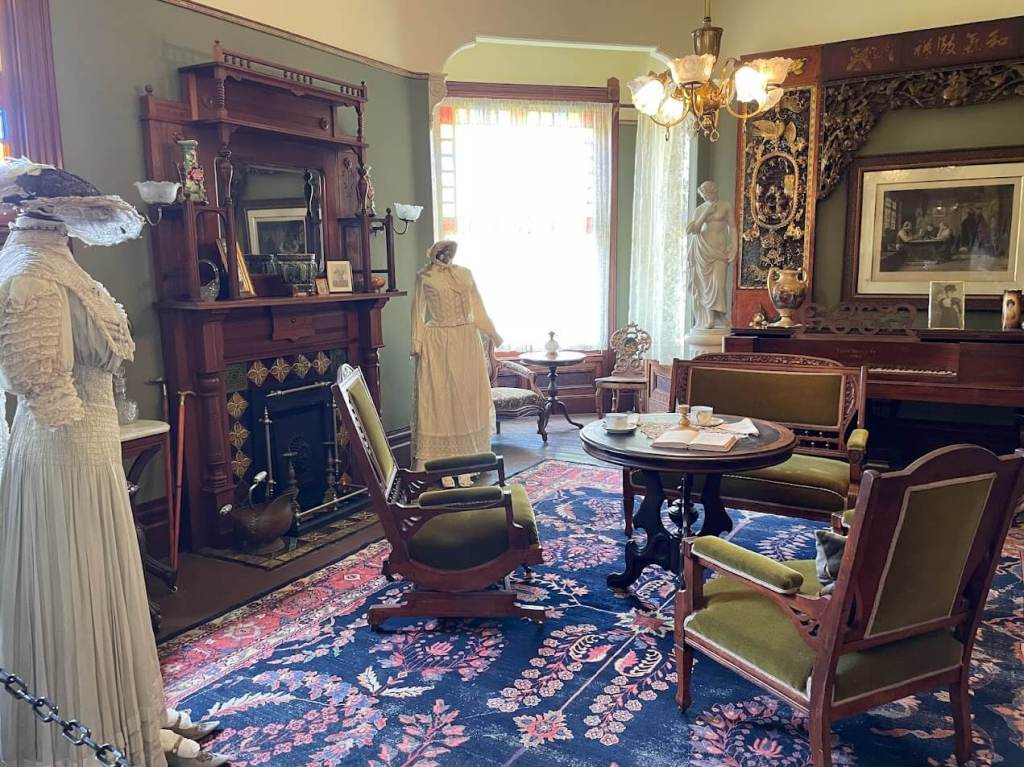
This middle-class family home was modern for its time, featuring electricity and a full bathroom. The exterior has been restored to its original colors, while the interior is fully furnished, offering visitors a glimpse into 19th-century daily life.
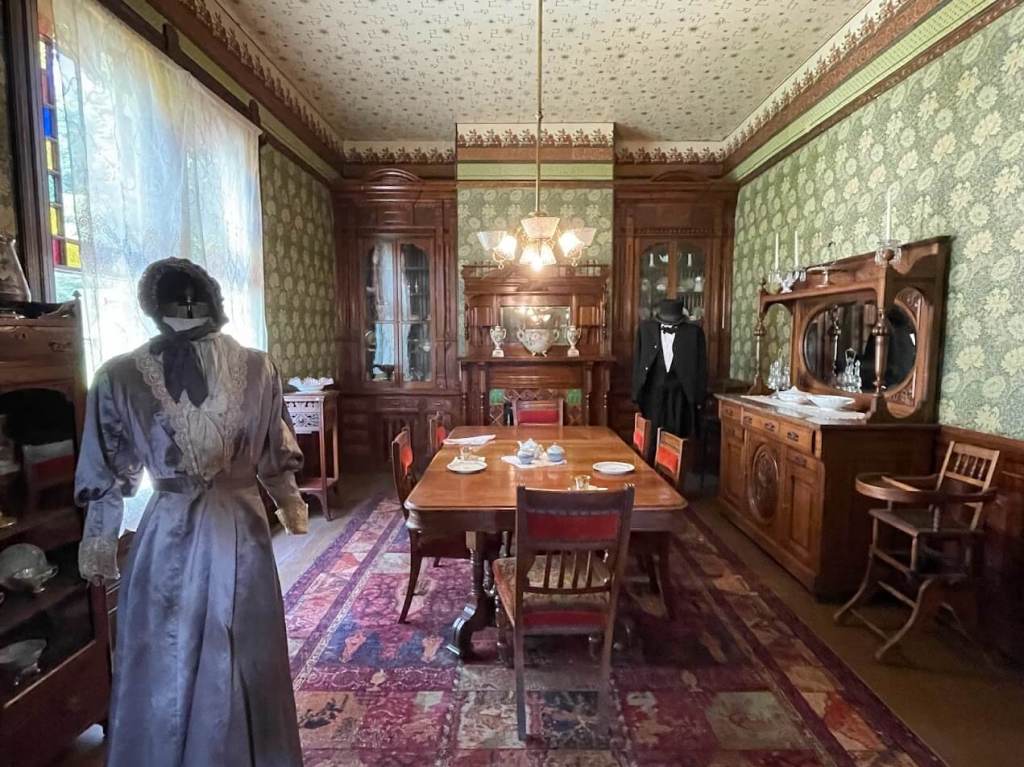
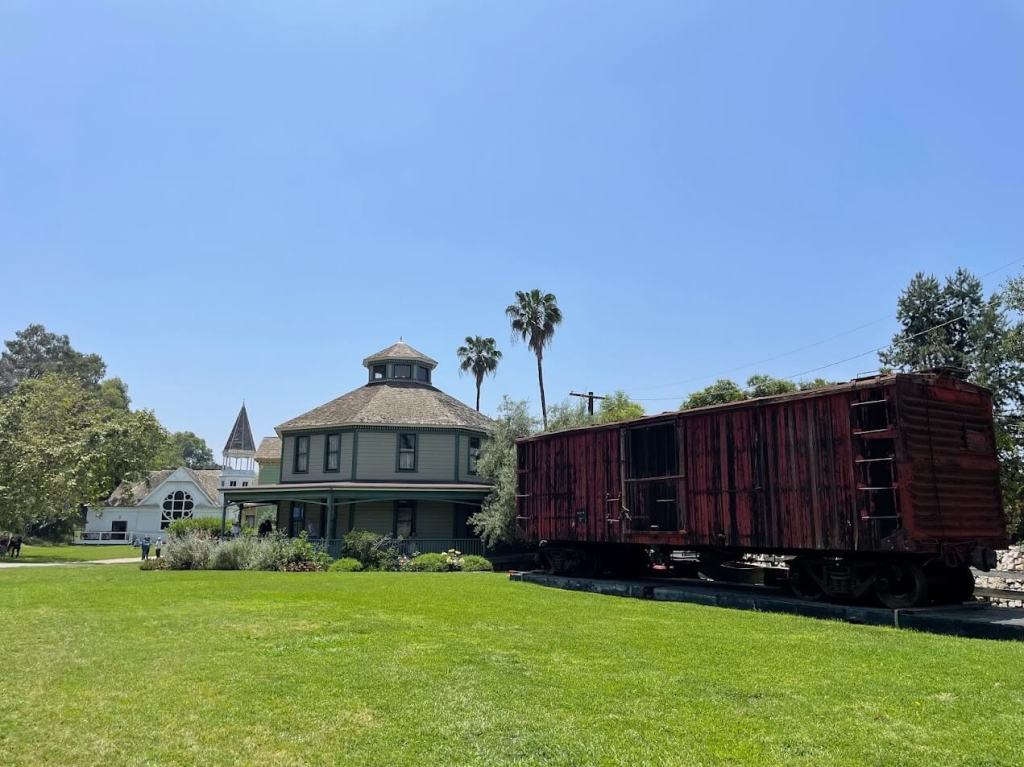
The Longfellow-Hasting Octagon House
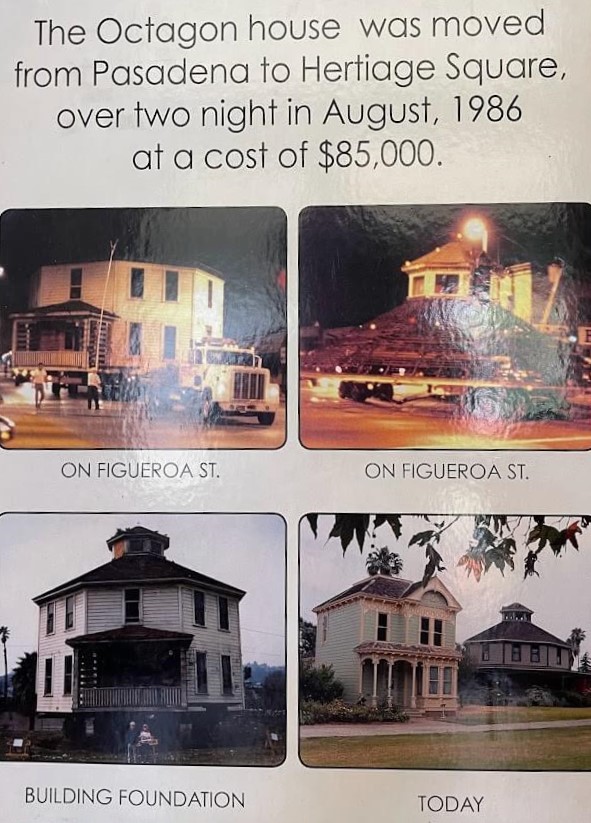
Gilbert Longfellow built his first octagon house in Maine. After the death of his wife and son from tuberculosis, he moved to California. In 1893, he constructed a second octagon house, incorporating Eastlake decorative influences. In 1986, his grandson, Walter Hastings, organized the relocation of the family house to the Heritage Square Museum.
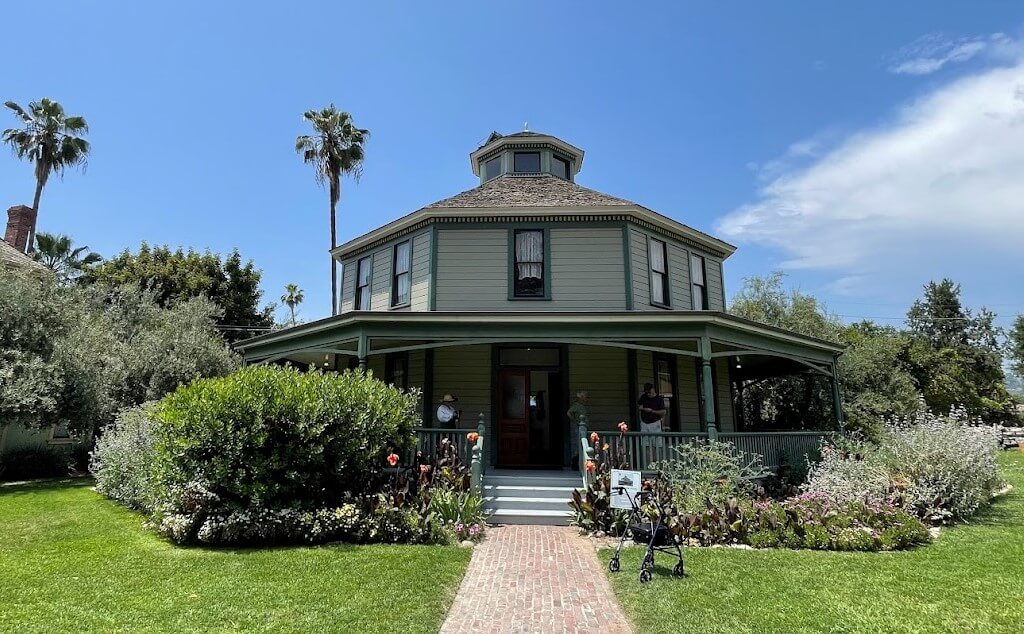
In the mid-19th century, Orson S. Fowler popularized these octagon-shaped houses, which offered more living space, improved light and air circulation, better health and energy efficiency, and reduced construction costs.
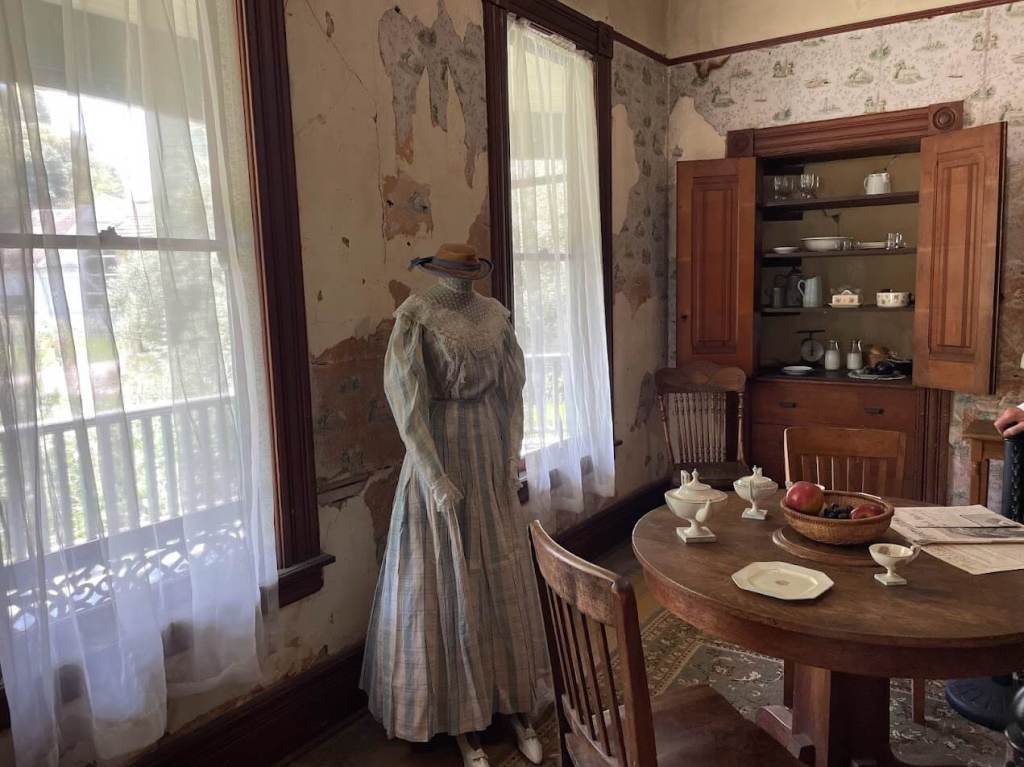
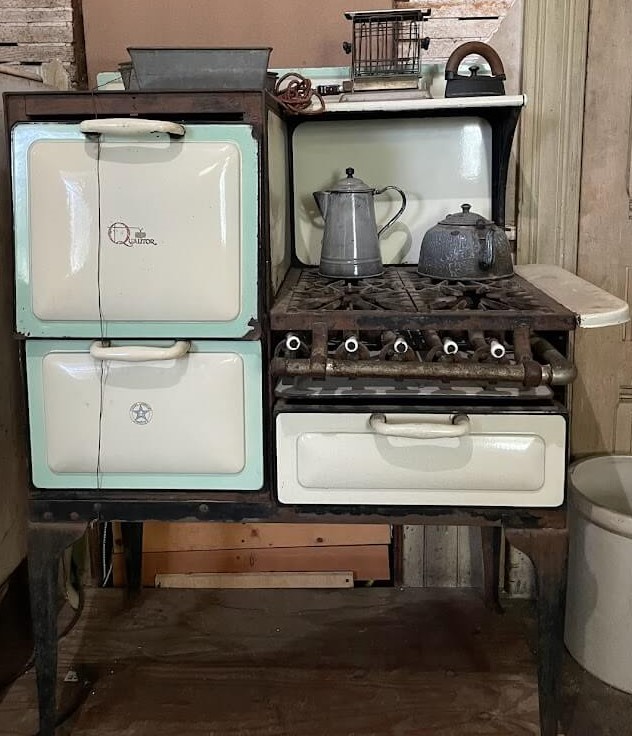
Enter the house to explore the living quarters, featuring original appliances like the precursor to the washing machine, an icebox where large blocks of ice were delivered weekly, and a beautiful stove.

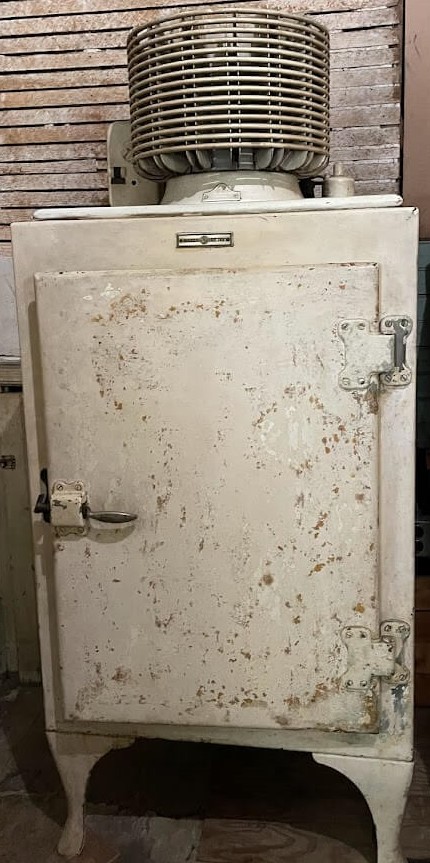
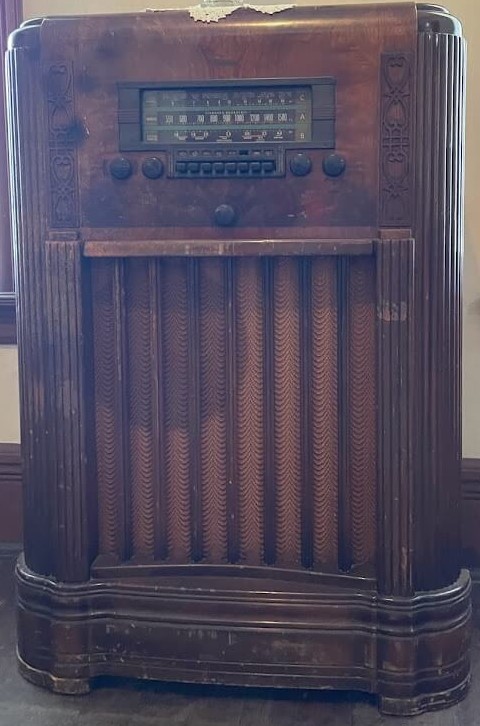
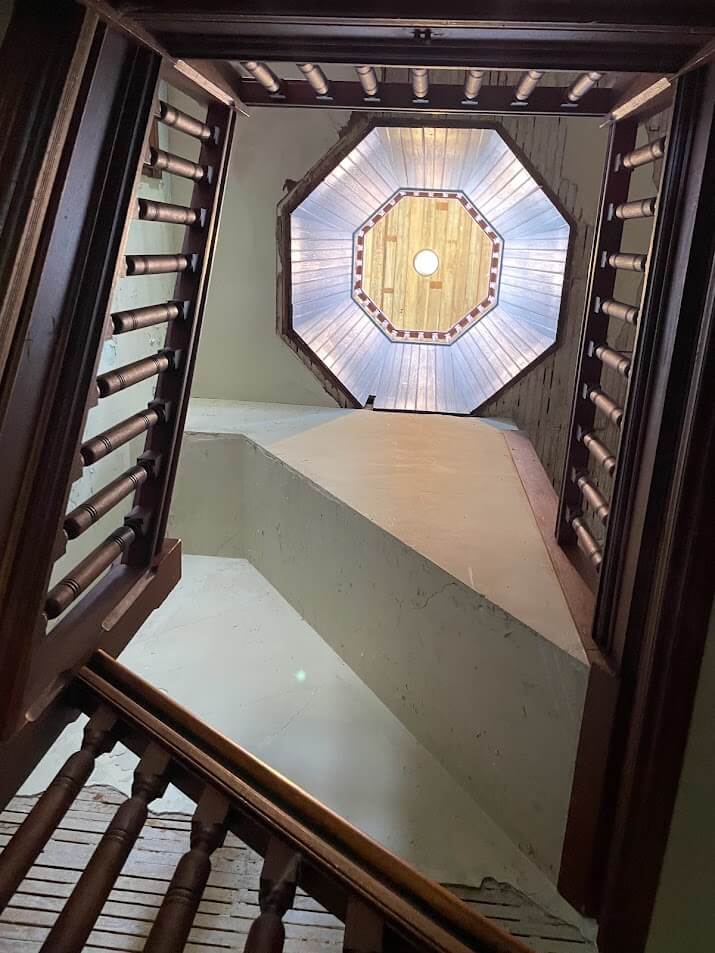
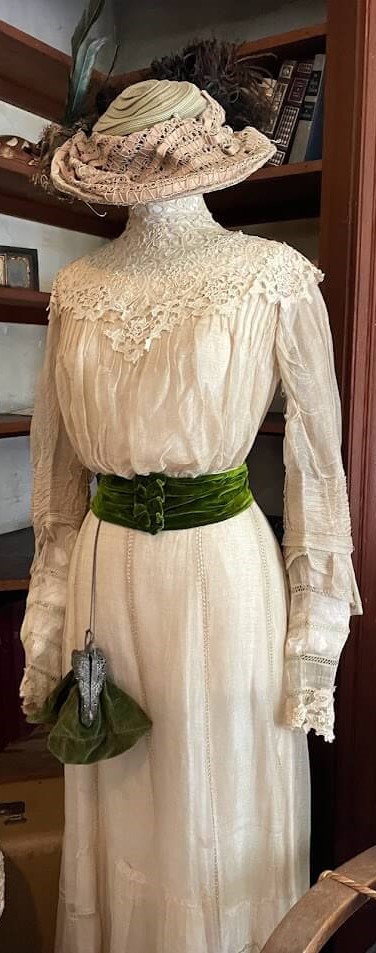
The Longfellow-Hastings Octagon House is one of only five known octagon houses constructed in California during the 19th century and among fewer than 500 remaining octagon houses in the United States.
The Perry Mansion
The 1876 Victorian Italianate mansion, once home to William Hayes Perry, was designed by E.F. Kysor, who also designed the Pico House. This opulent residence in Boyle Heights is the largest mansion in the Heritage Square Museum.
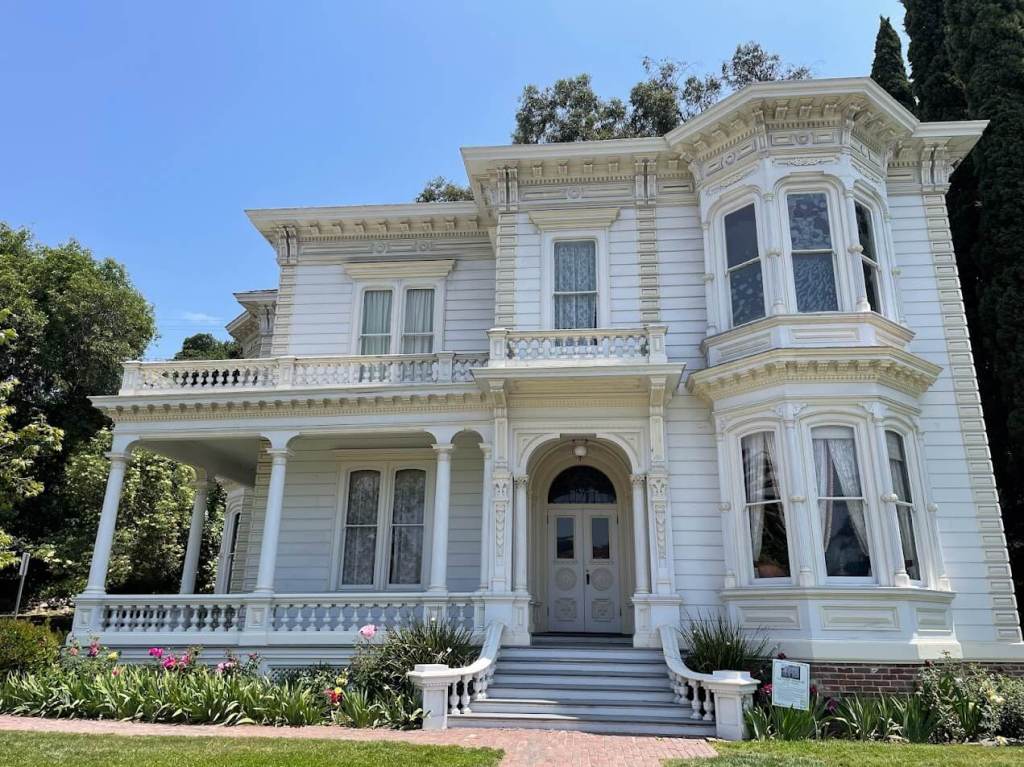
William Hayes Perry, a successful and influential lumber merchant, played a significant role in shaping Los Angeles. He was an active member of the Los Angeles Gas Company and served as president of the Los Angeles Water Company for 25 years.
The Ford House
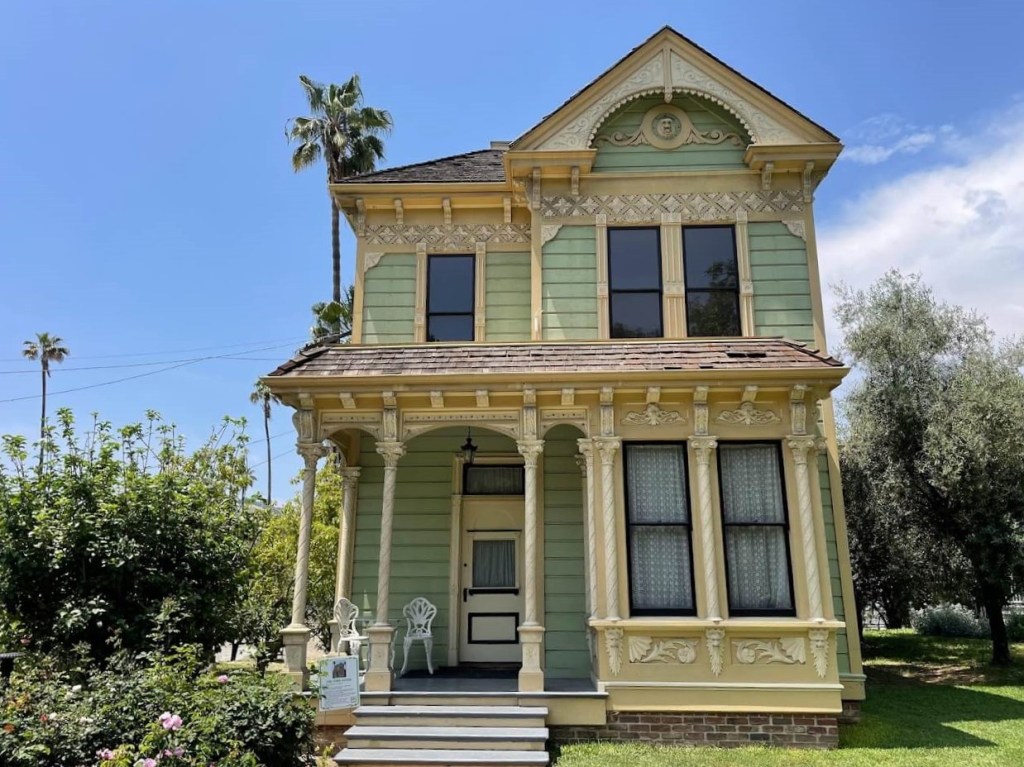
Built in 1887 by the Beaudry Brothers in downtown Los Angeles, the Ford House is an eclectic blend of architectural styles, predominantly Victorian with Queen Anne, Eastlake, and Italianate elements. The owner, John Ford, a skilled woodcarver, meticulously hand-carved all the interior and exterior décor, showcasing his craftsmanship throughout the residence.
The Shaw House
Built between 1883 and 1884 in Lincoln Heights, the Valley Knudsen Garden Residence, also known as the Shaw House, is an example of the Second Empire architectural style, particularly the Mansard influence. Developed in France by architect François Mansard, the distinctive mansard roof gives the second floor an attic-like appearance.
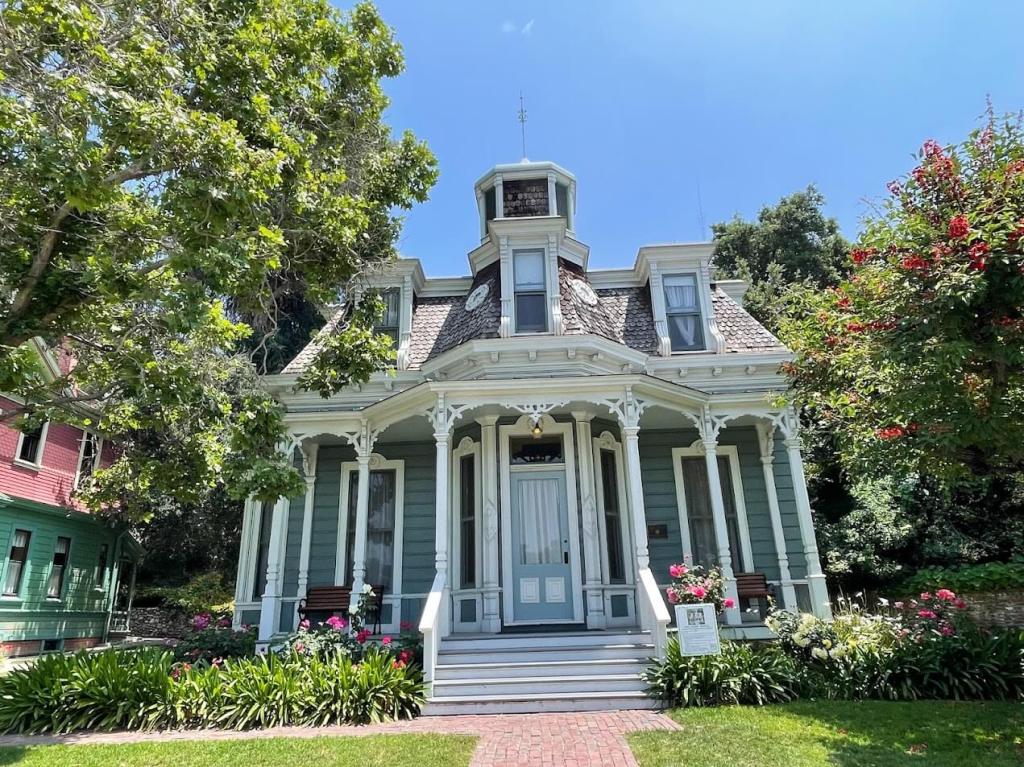
In 1971, the house, along with its Coral tree, was relocated to the Heritage Square Museum. During the move, over 200 Prohibition-era liquor bottles were discovered in the crawlspace.
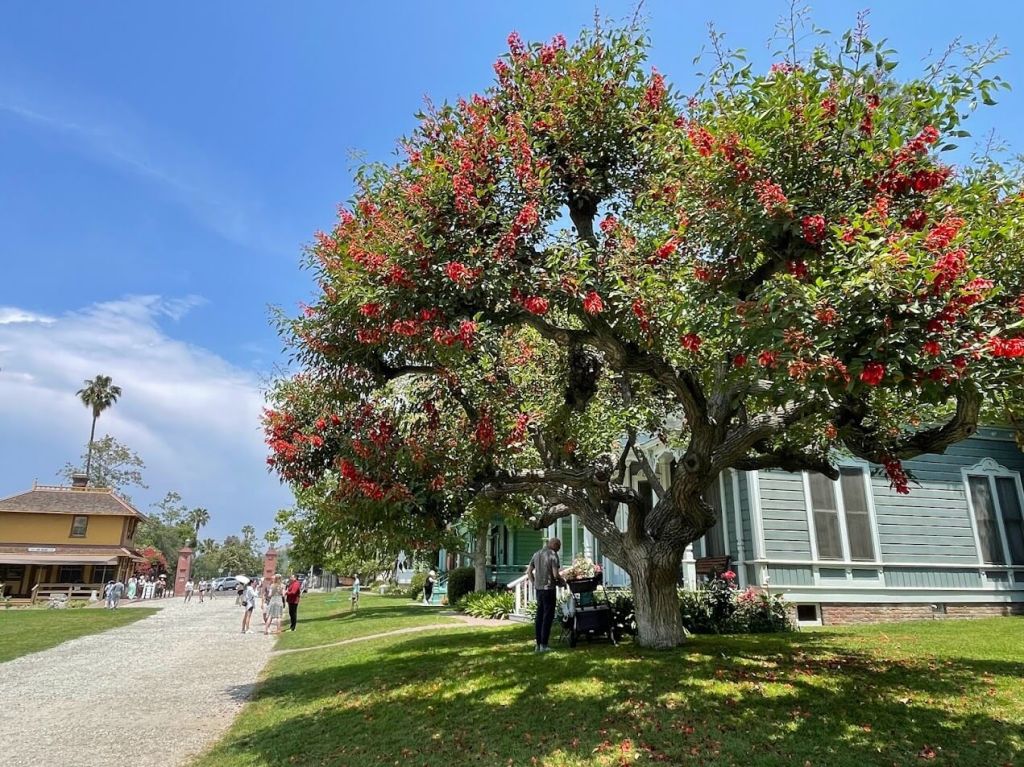
Did you know?
The Coral Tree is the official tree of Los Angeles.
The Colonial Drug Store
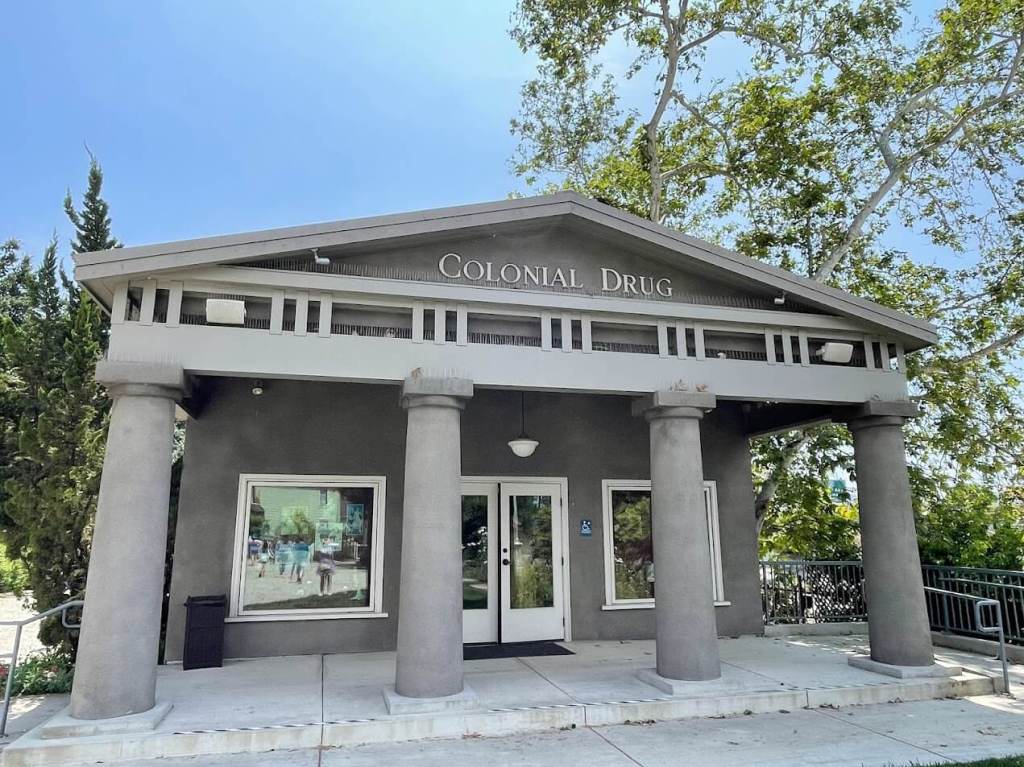
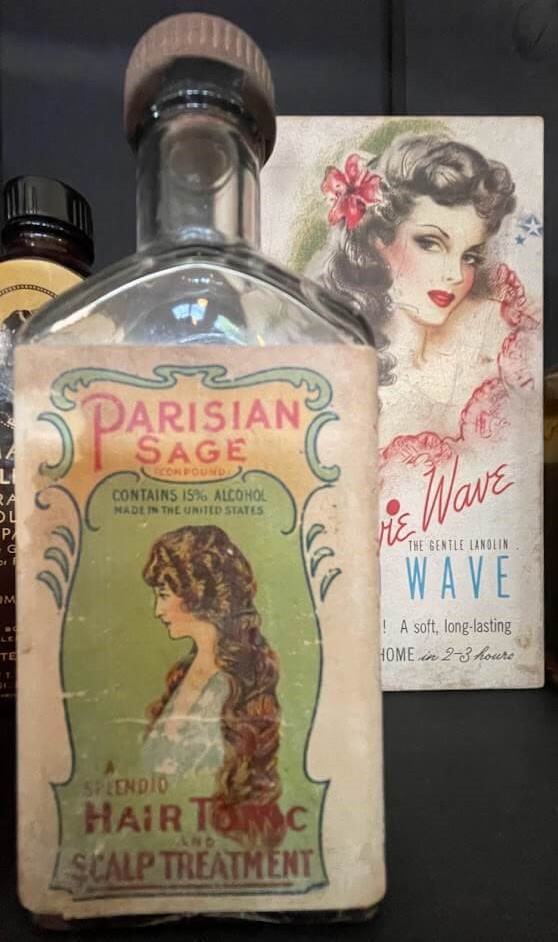
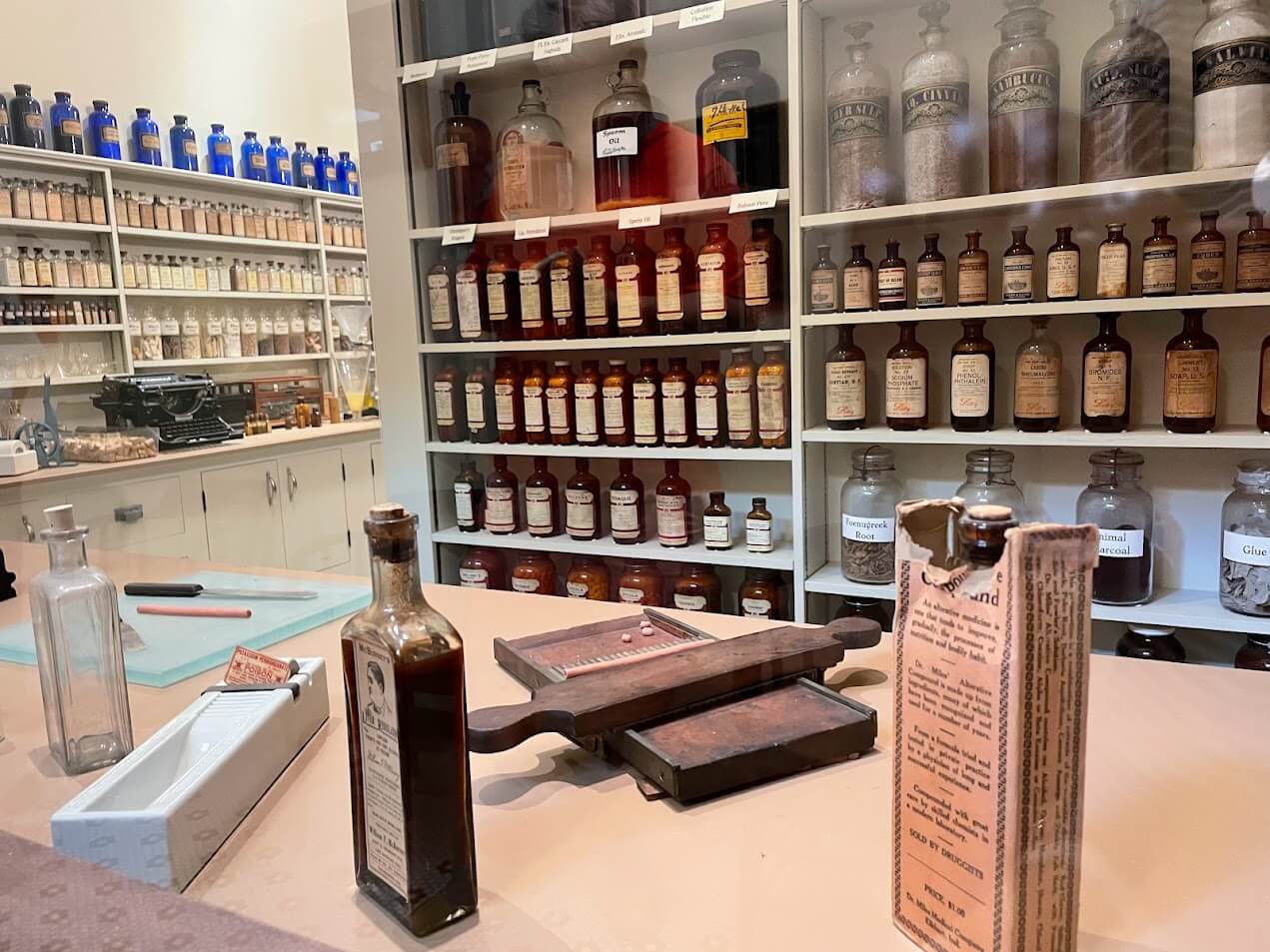
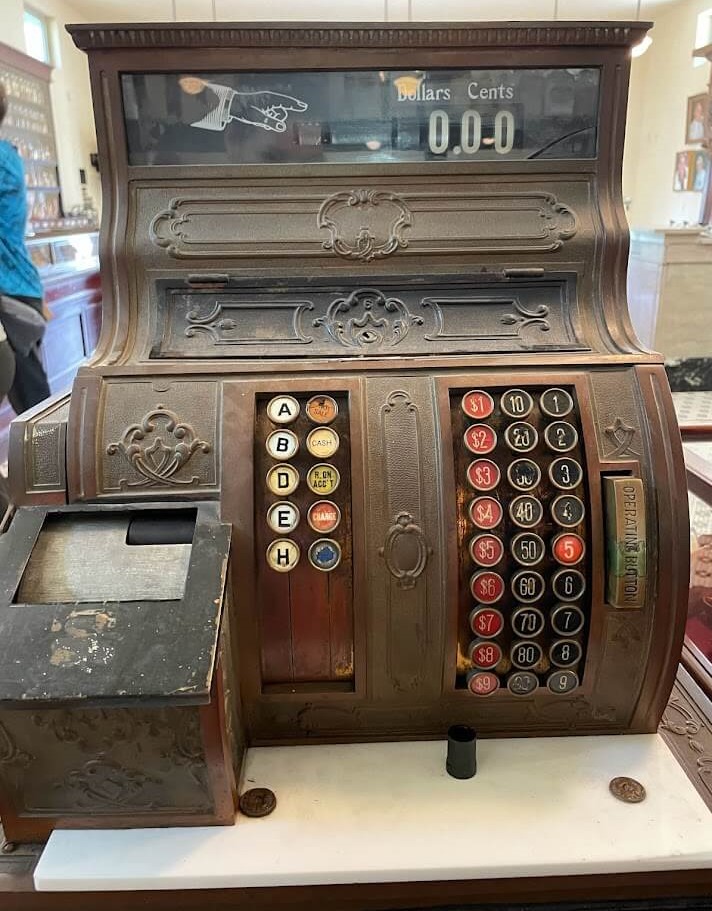
The Colonial Drug Store is a replica of a drugstore built in 1918 by George Simmons. The original building, located in Highland Park, was previously a bank. This Greek Revival structure showcases the Simmons family’s extensive collection of vintage pharmaceuticals and cosmetic products, most of which date between 1888 and 1950.
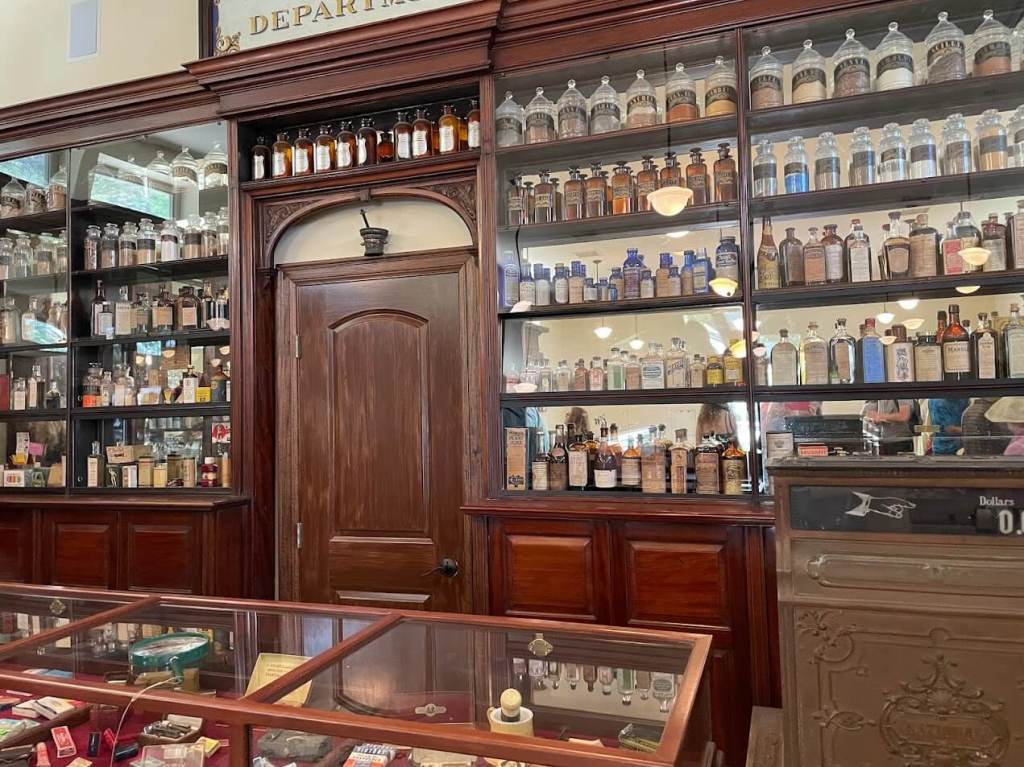
The Colonial Drug Store
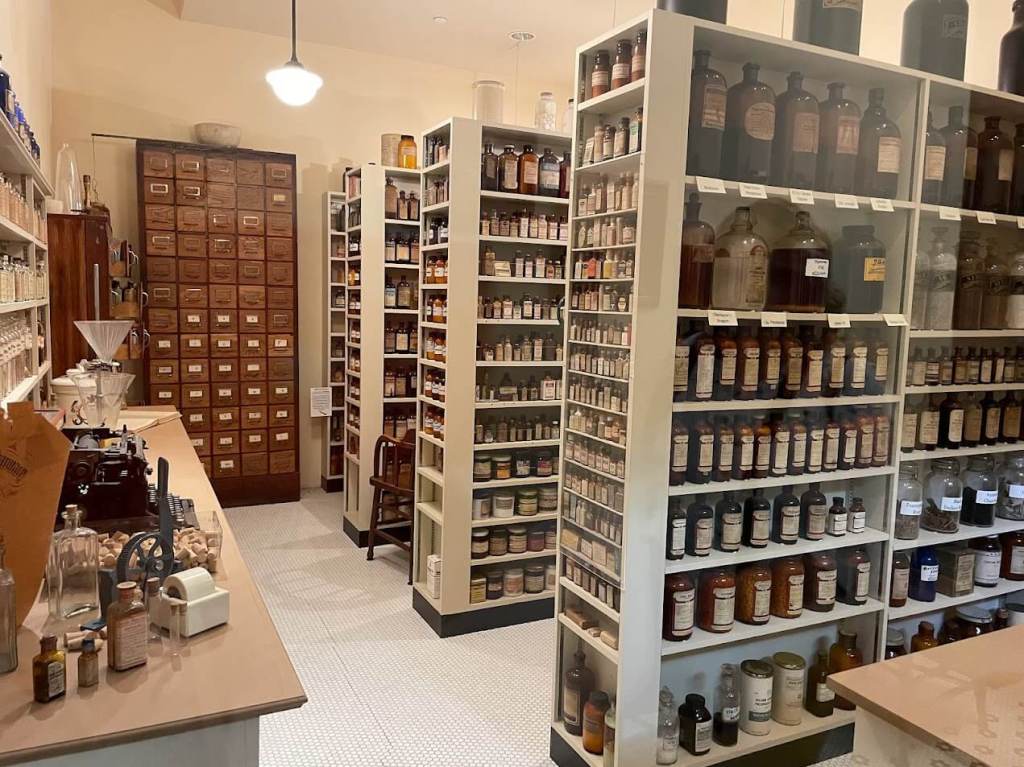
This collection includes between “85,000 to 95,000 individual items in their original packaging:
- 95% of them dated from 1888 to 1950.
- 90% of them are no longer being made or used.
- 25% of the items do not exist anywhere else in the world*”
*Source: Heritage Square Museum
The Lincoln Avenue Methodist Church

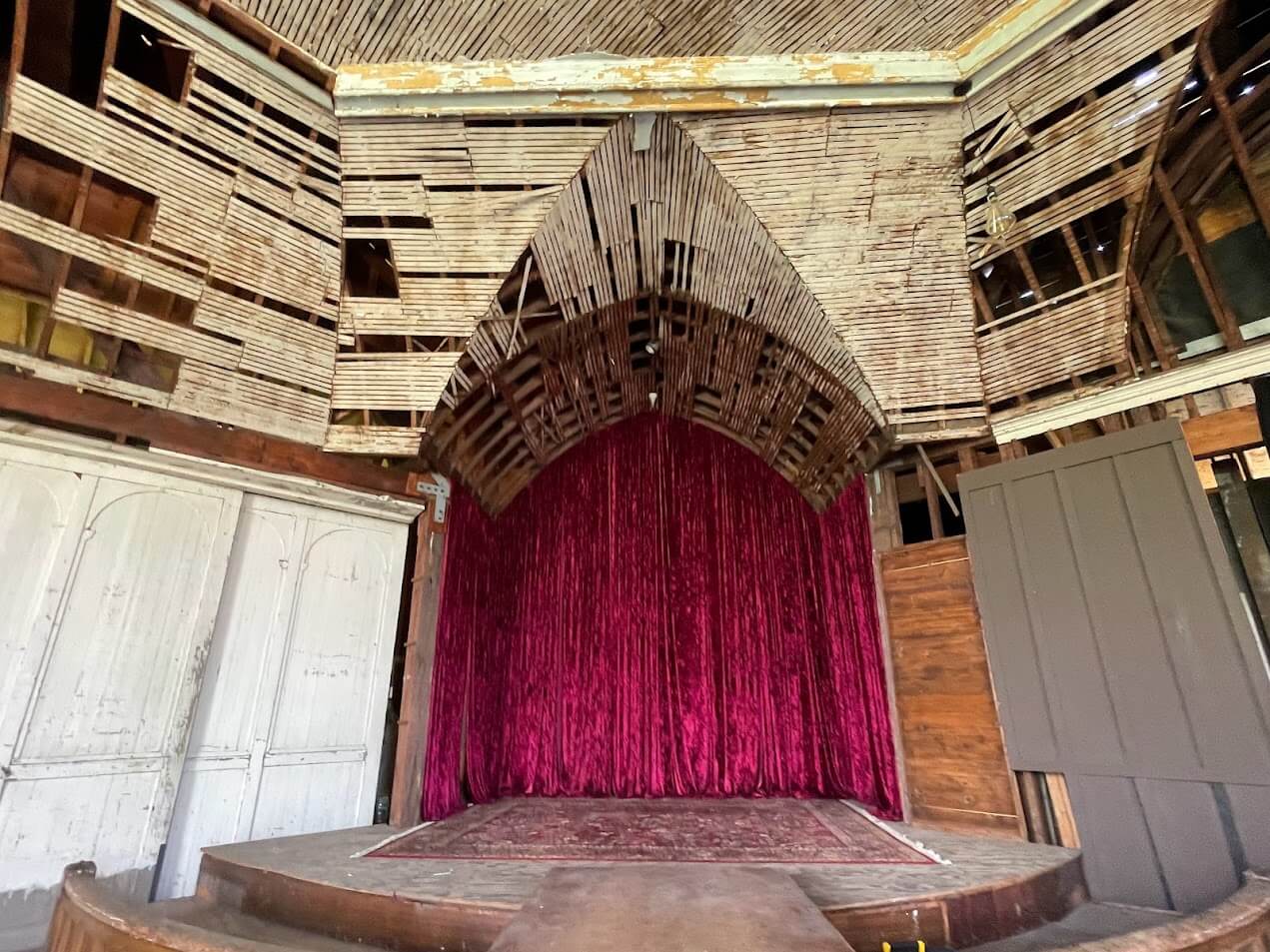
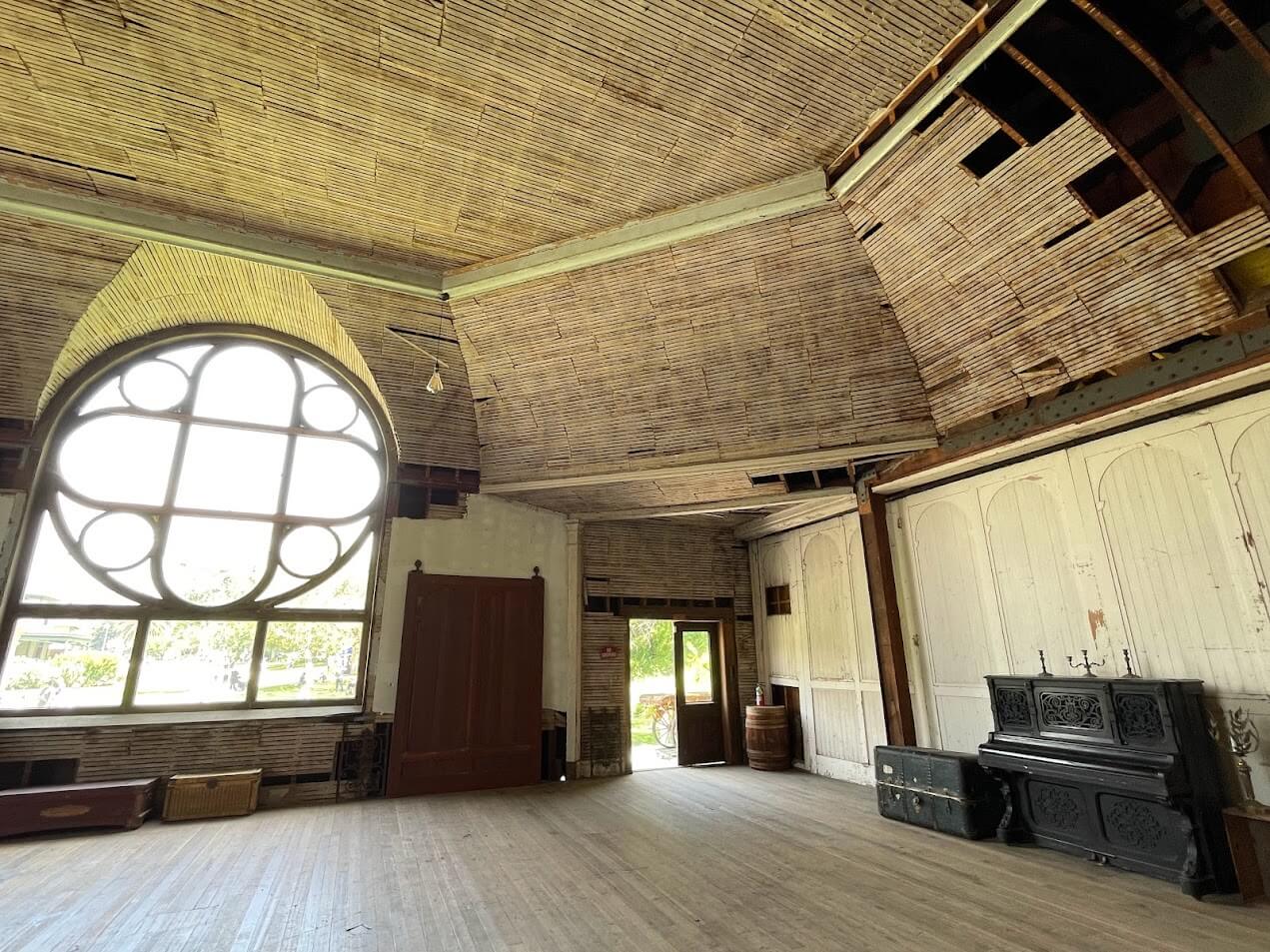
Built in Pasadena in 1897, the Lincoln Avenue Methodist Church was designed by George W. Kramer in the Carpenter Gothic and Queen Anne architectural styles. In 1967, it was converted into a community center and later relocated to the Heritage Square Museum in 1981.
As you can see below, the interior is awaiting further renovation.
Article based on my visit in 2023.
Ready to unlock these gems?
Note for Victorian-Era lovers, don’t miss this article on Carroll Avenue, home to the highest concentration of Victorian houses in L.A.
Plan your visit:
- Location: 3800 Homer St, Los Angeles, CA 90031, United States
- Hours: 9:30an to 3:30 pm on Saturday and Sunday
- Admission: $7.00 for adults.
- Duration: 2 hours.
- Parking: Free onsite parking
- More information is available at https://www.heritagesquare.org/
If you enjoyed this post, I would love to hear from you! Please comment below and share this with anyone planning a trip to Los Angeles.

 DayDream Under the Stars