
4 minutes read
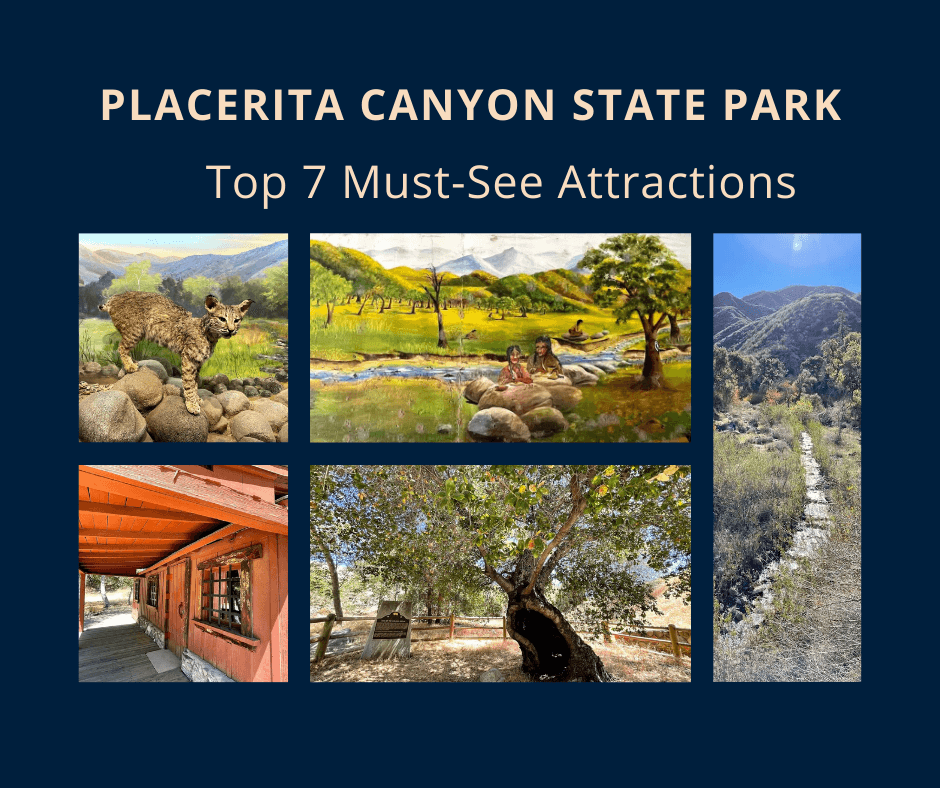
Nestled in the heart of Southern California, Placerita Canyon State Park is a natural and historical treasure. From its unique geological features and diverse wildlife to its rich cultural heritage and cinematic history, the park stands as a local gem and landmark.
Lace up your walking shoes and get ready to explore the Top 7 Must-See Attractions at Placerita Canyon State Park!
The Oak of the Golden Dream
Francisco Lopez y Arbello traveled to the Del Valle Rancho to visit his brother-in-law, Antonio Del Valle. On March 9, 1842, he rested beneath an oak tree and dreamt of gold and fortune. Upon waking, he walked a few meters north and picked some wild onions, discovering gold flakes clinging to their roots. This event marked the first documented discovery of gold in California. The famous oak tree was renamed the “Oak of the Golden Dream.”

The Placerita Canyon Mural
Situated on the channel wall between the Nature Center and the Golden Oak, the Placerita mural spans over 48 feet. In 1976, Rudy Pavini traded his naturalist attire for artist’s tools to create six large panels that depict the park’s rich history.
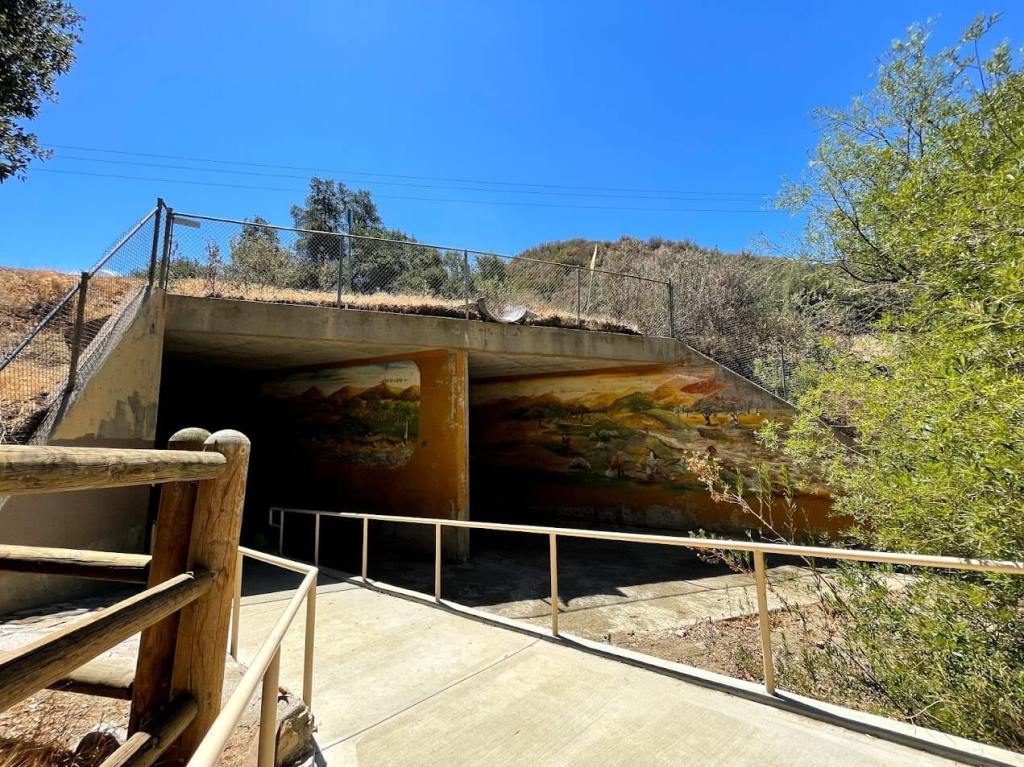
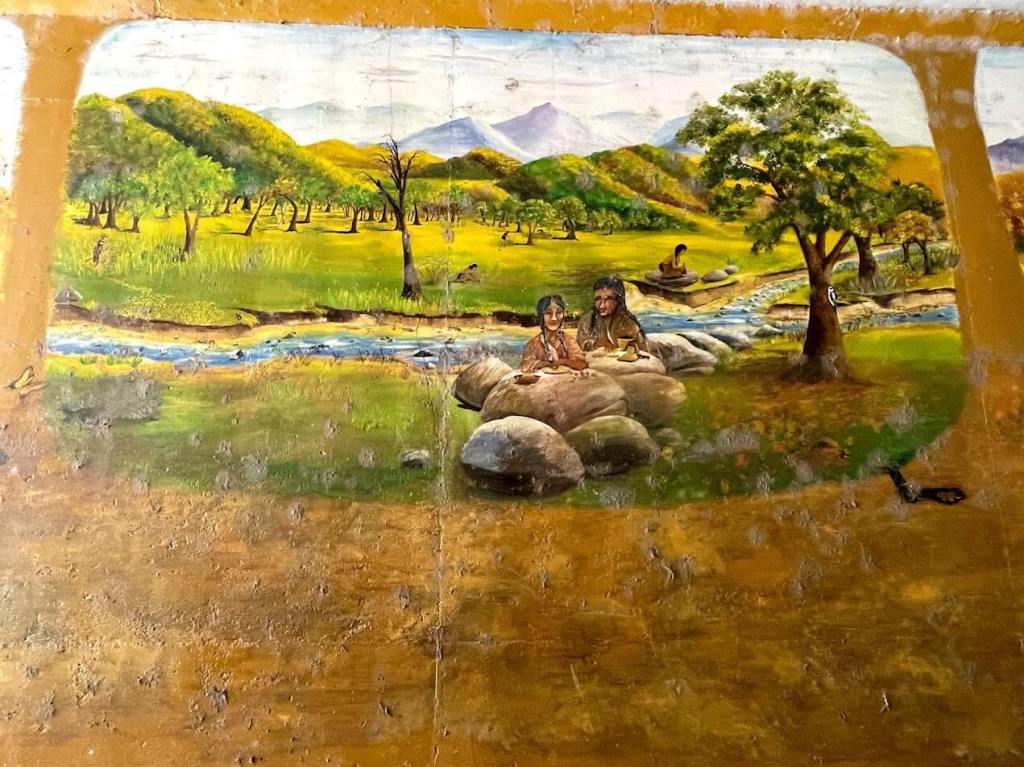
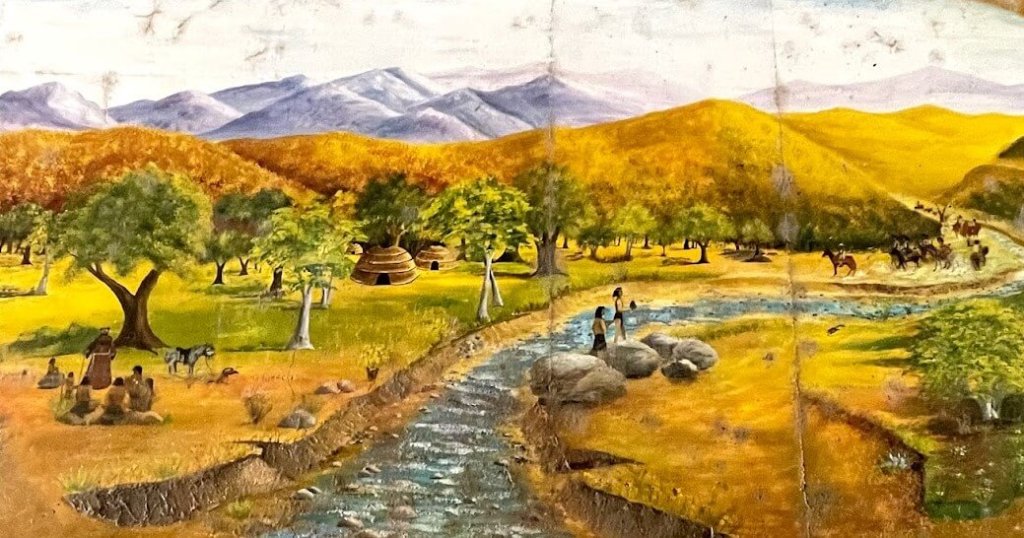
The artist dedicated three months to painting the mural using acrylics, working from the background to the foreground and from top to bottom, and finished his artwork with a protective coating.

The first panel showcases early flora and fauna in the area. The subsequent panels focus on human history, including the Native Americans known as the Tataviam or Allikliks (called respectively by the Kitanemuk from the Antelope Valley, and by the Chumash). The following panels illustrate the era of missionaries and Spaniards, followed by the gold discovery tale of Francisco Lopez.



The Walker Cabin and Walker Ranch
Built in 1920 by pioneer Frank E. Walker, this restored small cabin was home to his family of 12 children and his wife Hortense. The Walkers lived in the cabin for 11 years during the winter months when the rain-swollen creek blocked passage to their larger home. In the 1930s, they rented it to Hollywood, where filmmakers altered the original structure by adding a shingle roof and a porch. The Walker cabin and their lands became natural sets featured in numerous movies, including “The Hard Hombre.”
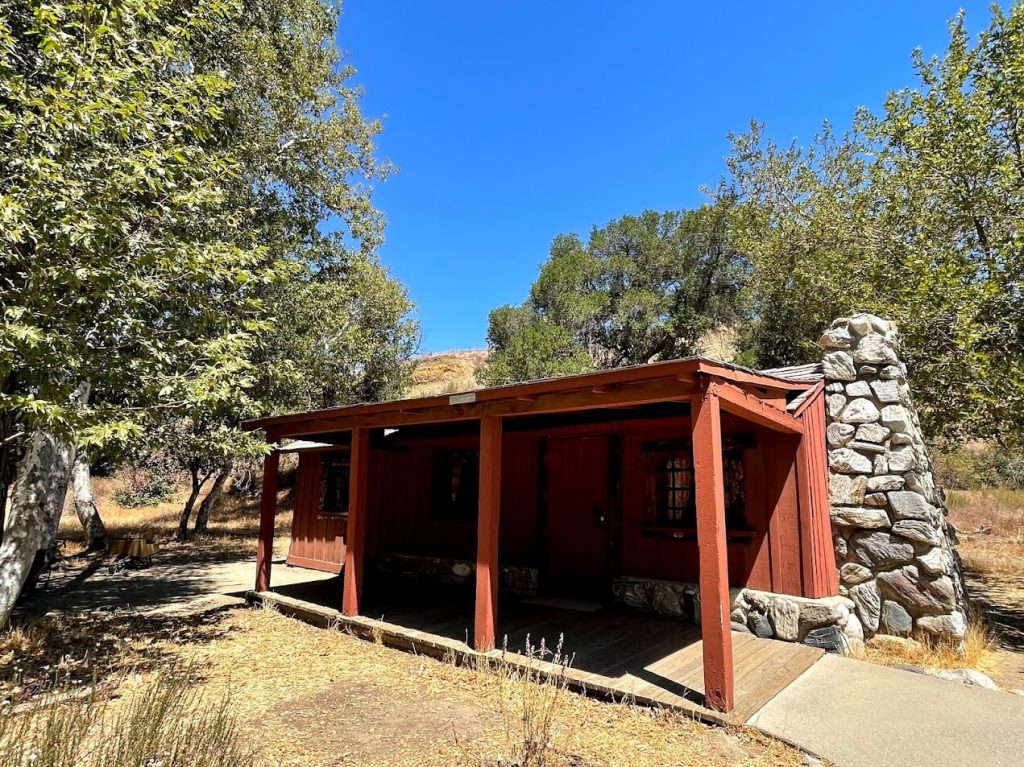
Hike the Placerita Canyon Nature Center Loop trail for 1.8 miles to reach the Walker Ranch. In the mid-1920s, Frank E. Walker built a summer cabin and a house for his family. They established the “Walker’s Placerita Camp,” a ranch that offered various outdoor activities. In 1959, Walker sold the property to the State of California.

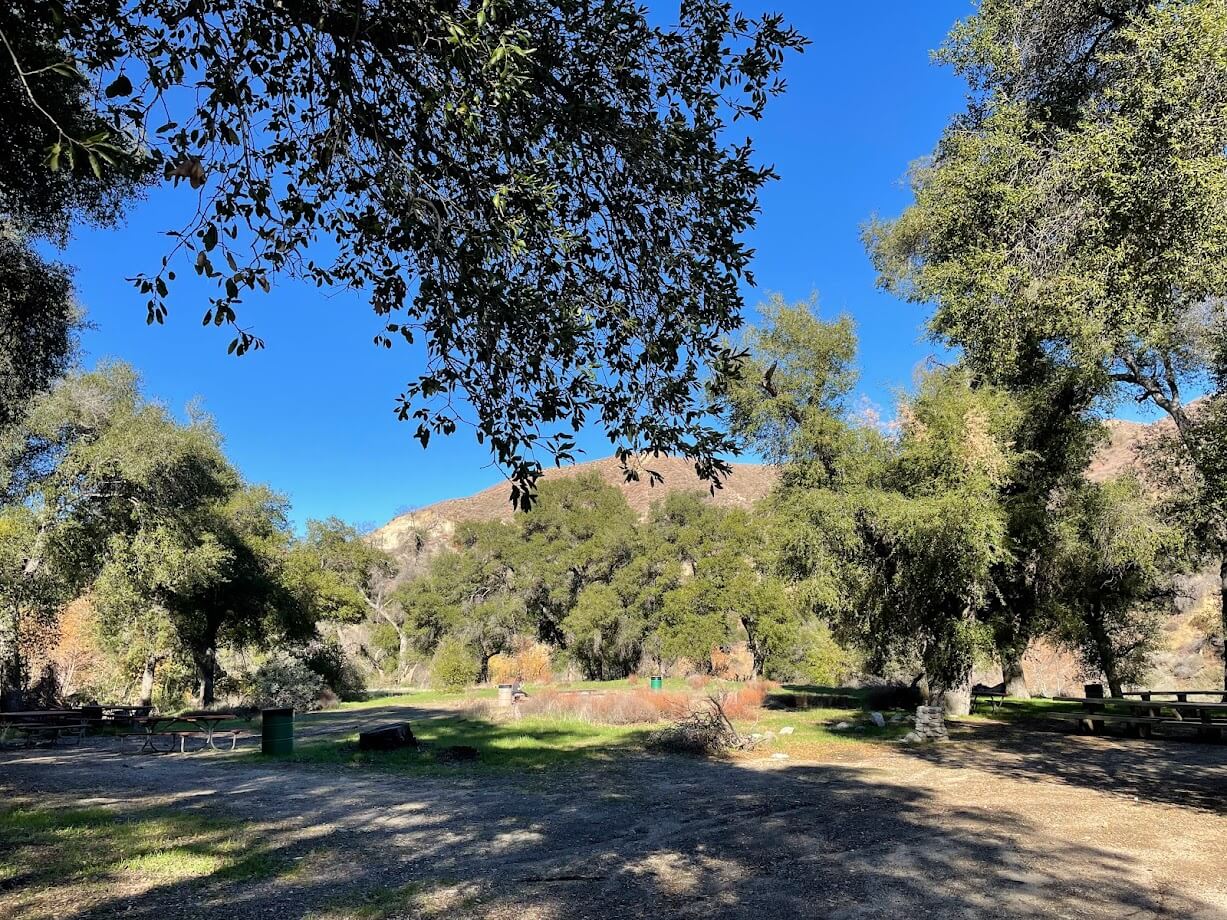


Movie Ranch
In addition to the Walker Cabin, two major movie ranches expanded in the area: Monogram Movie Ranch, also known as Melody Ranch, and Disney-Golden Oak Ranch. Combining natural features with added constructions like barns, creek bridges, and ranch houses, Placerita Canyon State Park is a perfect outdoor set for Hollywood. It is a location that transports you anywhere, at any moment.
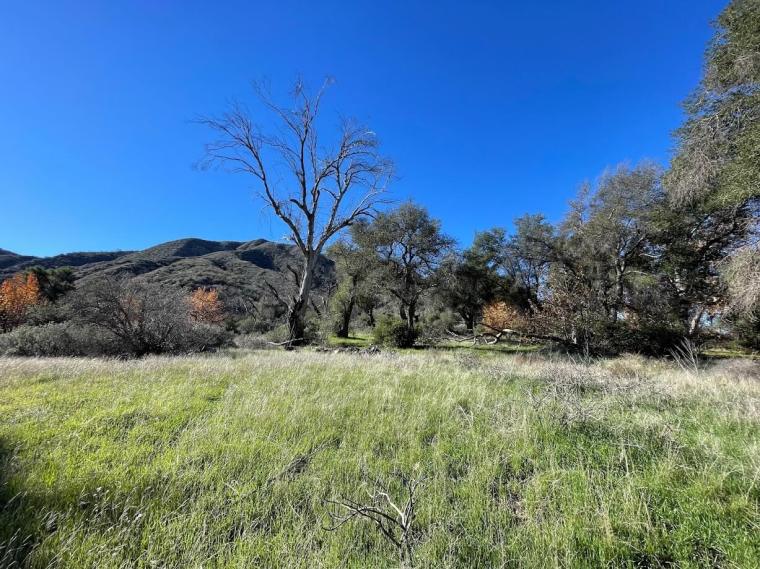
Today, the Disney-Golden Oak Ranch, owned by the Walt Disney Company, spans over 890 acres. Since the late 1950s, many productions have been filmed there, such as “The Mickey Mouse Club,” “Pirates of the Caribbean II & III,” “Pearl Harbor,” “Princess Diaries II,” and “The Santa Clause.”
More information at https://goldenoakranch.com/about/history/

Established in 1915 for Monogram Studios’ films, Monogram Movie Ranch was purchased by actor Gene Autry in 1953. He renamed the 22-acre back lot to Melody Ranch. Although a fire in 1962 destroyed part of the ranch, sections have been restored. Famous Western movies and TV shows like “The Lone Ranger,” “The Cisco Kid,” “Rin Tin Tin,” and more recently “Westworld,” “Django,” and “Once Upon a Time in Hollywood” have been filmed there.
More information at http://melodyranchstudio.com/index.html

The White Oil, a Geological Curiosity
While hiking in Placerita Canyon, you might catch a strong and somewhat unpleasant smell of crude oil. On the Placerita Canyon Nature Center Loop trail, look closely to find an active pool of bubbling white oil seeping from the ground. This rare geological feature, discovered in 1896, consists of highly refined oil filtered through layers of sediment. It is said to burn longer and brighter than kerosene.

In 1900, the New Century Oil Co. drilled wells in the canyon, aiming for commercial production. However, their efforts did not meet expectations, and they went bankrupt two years later. By the 1940s, the oil industry in Placerita Canyon had ceased operations.


The Placerita Canyon Nature Center
Visit the Placerita Canyon Nature Center to explore the local wildlife and the human history of the area. The museum features two rooms filled with interactive displays and offers educational programs and opportunities for wildlife viewing.

Step onto the outdoor observatory platform for birdwatching and to meet the “animal ambassadors.” These orphaned or injured animals, which are cared for at the center, are available for visitors to observe. During my visit, I saw a long-eared owl, a red-tailed hawk, and an eagle.

A Diverse Flora and Fauna
The park showcases a diverse range of flora and fauna, including beautiful large oak groves with coast live oak and California black oak, sycamores, native wildflowers, and chaparral vegetation.
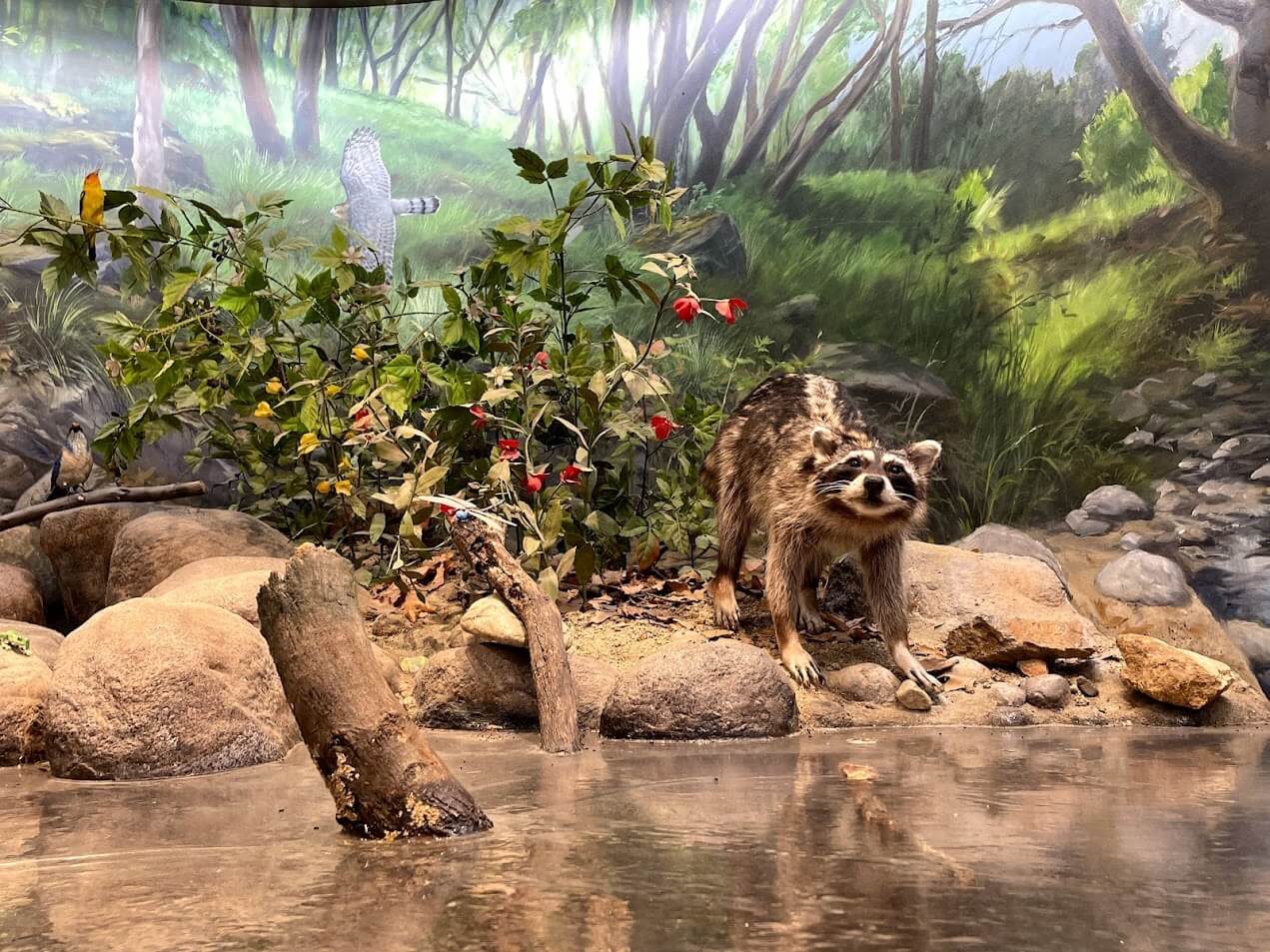


In addition to many birds, mammals, and reptiles, the canyon is home to rare, threatened, and endangered plants and animals that are protected. Peirson’s morning glory, a rare vine found only in Los Angeles County, can be spotted here. The California spotted owl and the two-striped garter snake are among the protected animal species in the park.

Article based on my visits in 2021, and 2022.
Ready to unlock these gems?
Plan your visit:
- Location: Placerita Canyon State Park, 19152 Placerita Canyon Rd., Newhall, CA 91321
- Hours from March 1st to October 31st: 8:00 am to 7:30pm from Tuesday-Sunday
- Admission: Free
- Duration: 2 hours.
- Parking: Free parking onsite
- More information is available at https://parks.lacounty.gov/placerita-canyon-state-park/.
If you enjoyed this post, I would love to hear from you! Please comment below and share this with anyone planning a trip to Los Angeles.

 DayDream Under the Stars