
2-minutes read
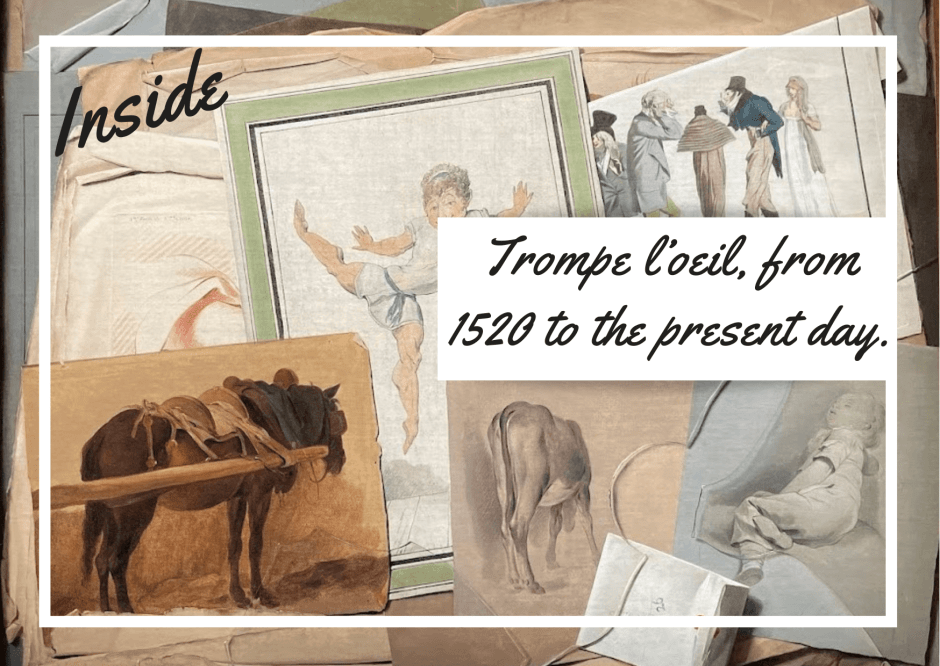
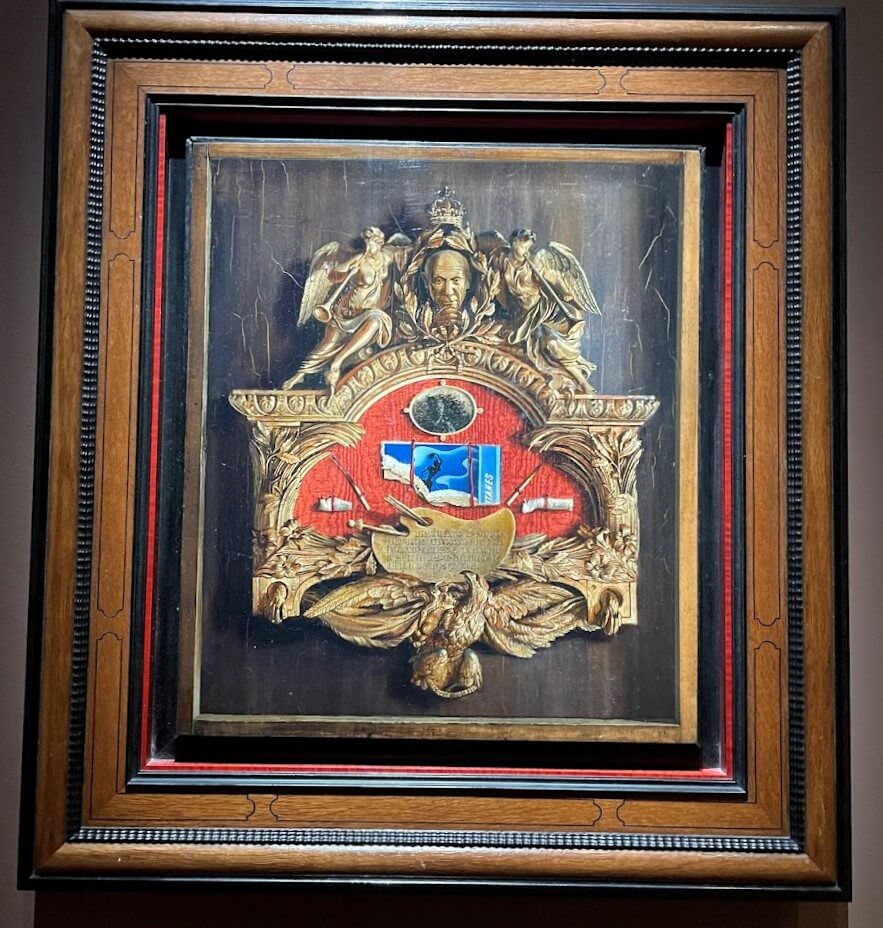
Happy Birthday, Musée Marmottan Monet! To celebrate its 90th anniversary, the museum’s new exhibition, which includes a retrospective dating back to 1520, highlights the art of trompe-l’oeil. Explore the evolution of this genre and the diversity of media, including canvas, sculptures, and ceramics, over the centuries.
Here is a look at” Trompe-l’oeil, from 1520 to the present day.”
Trompe-l’oeil
The chronological exhibit showcases more than 80 artworks from Europe and the U.S.A.
The origin of the representation of reality dates back to the 5th and 4th centuries BC when Greek artists Zeuxis (464-398 BC) and Parrhasius competed to imitate their environment. Zeuxis famously fooled birds with his painting of grapes, while Parrhasius painted a curtain so realistic that it deceived Zeuxis himself.
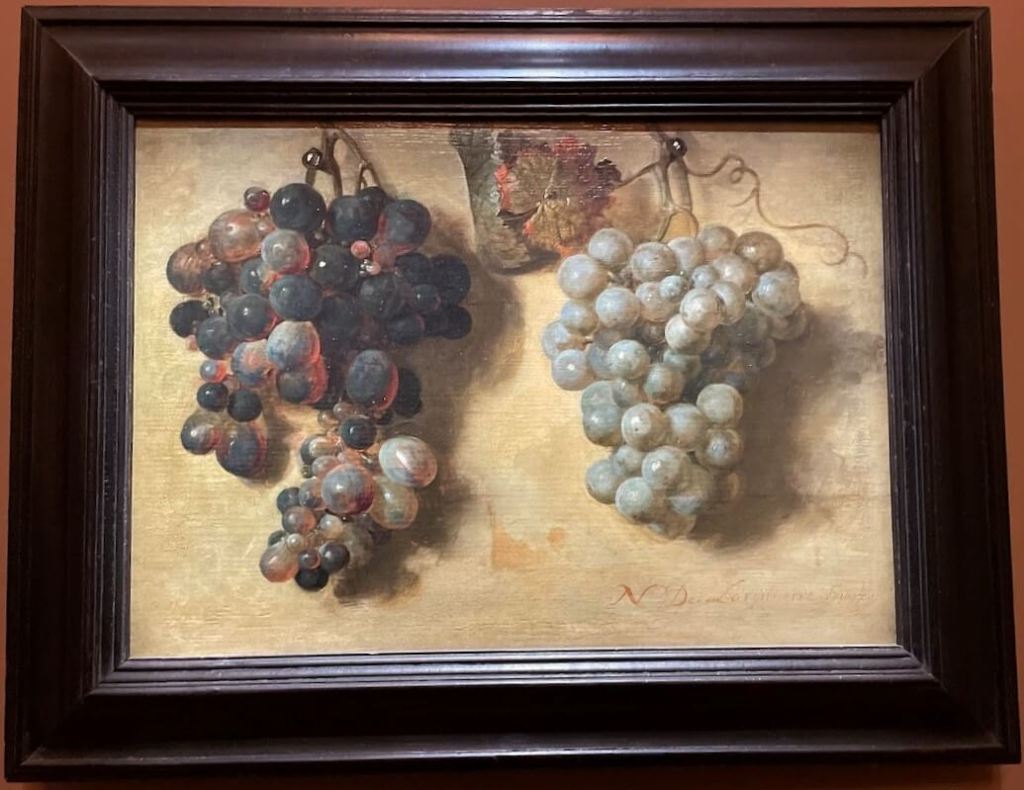
This art form truly developed in the 16th century, appealing to painters and collectors with its mimetic qualities. The virtuosity of illusion peaked a century later in the Netherlands. During the golden age of Trompe-l’oeil, letter holders became a popular theme.


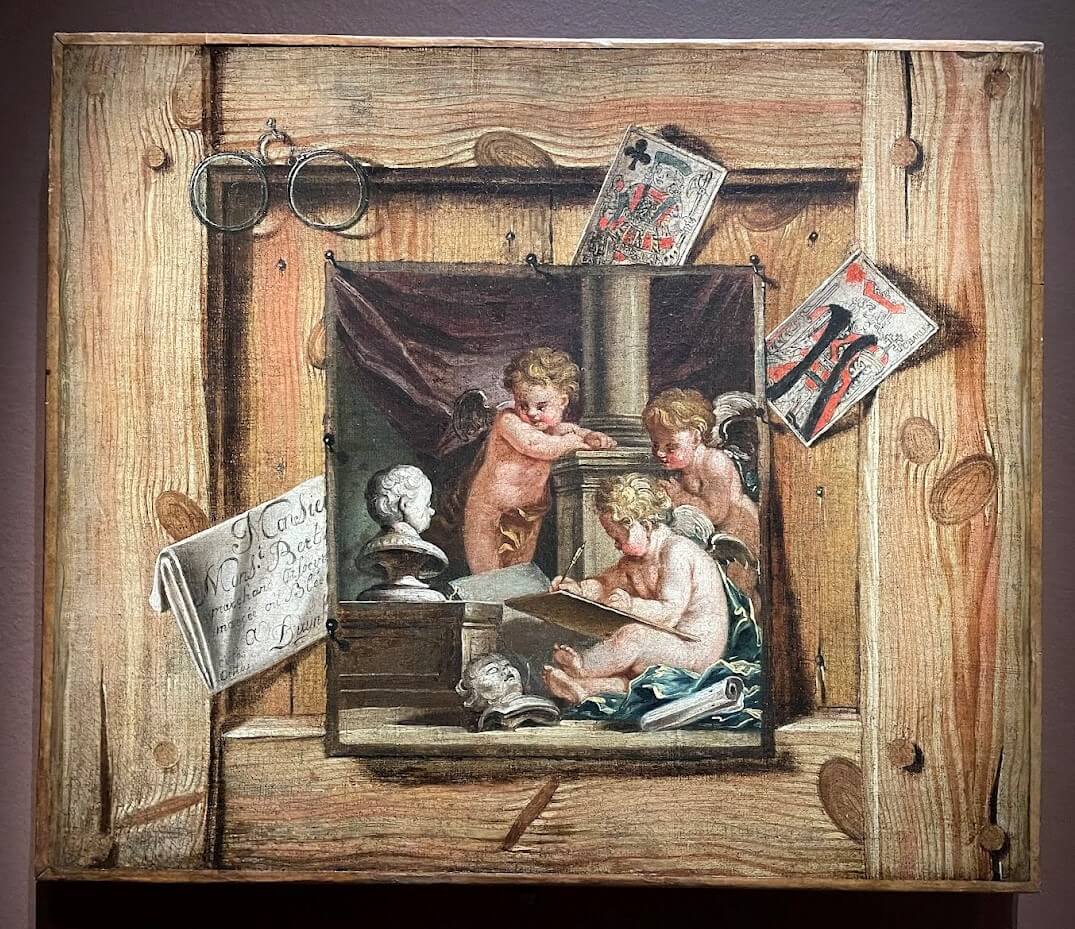
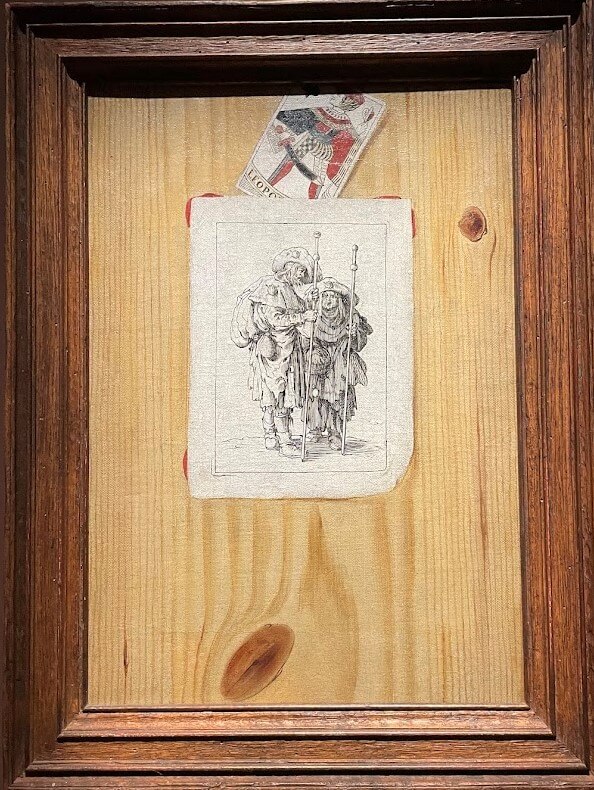
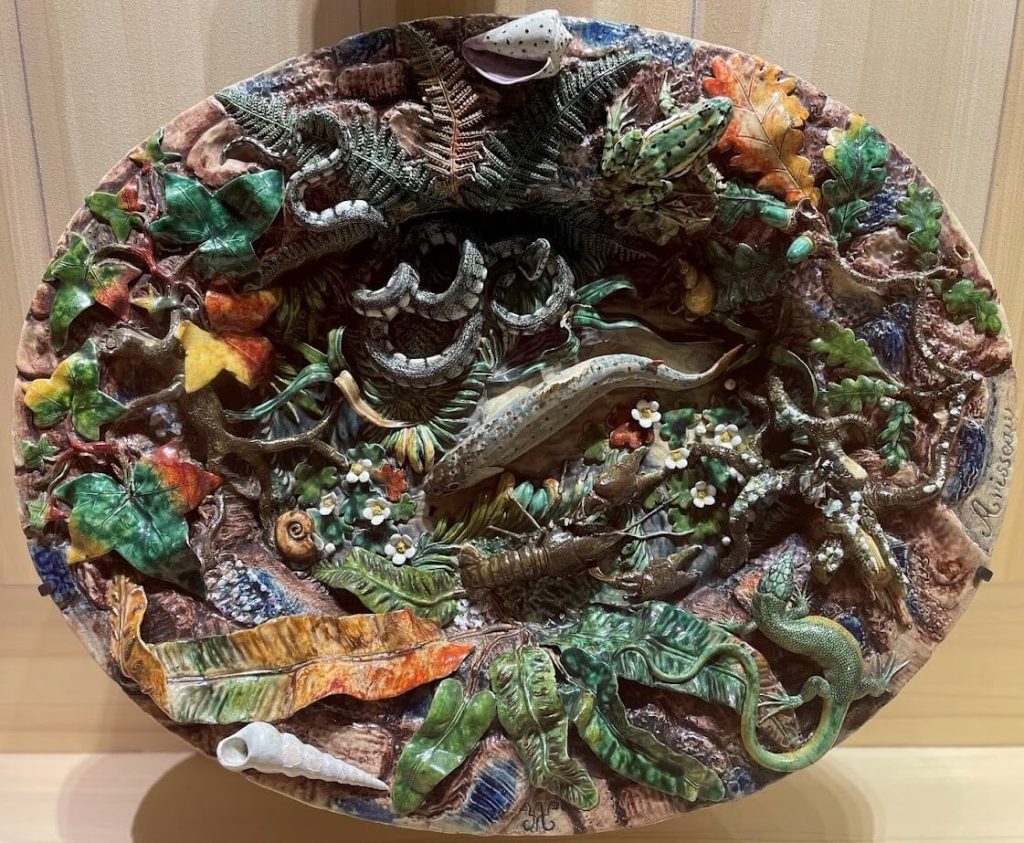
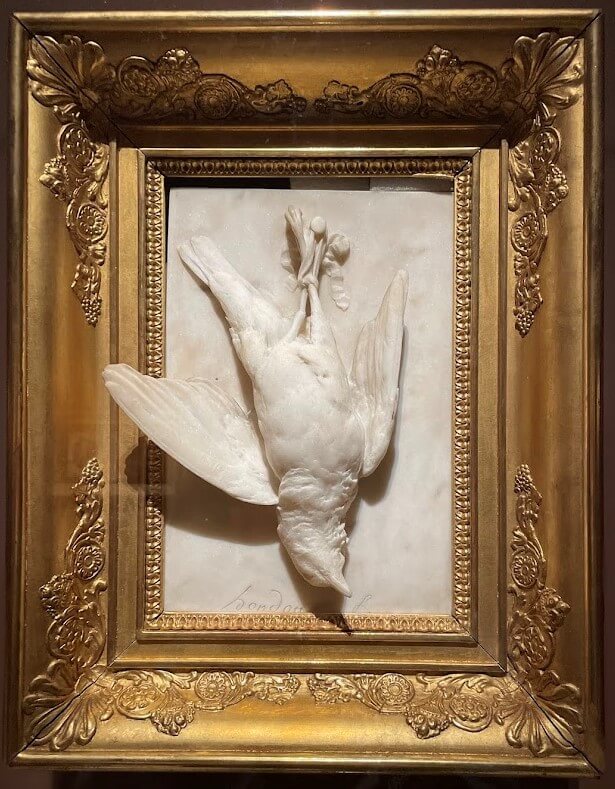
In the 18th century, multiple themes and additional mediums emerged. Wealthy households commissioned hunting trophy paintings, while grisailles—shades of grey paintings that simulate the appearance of sculptures—also gained popularity. Additionally, the art of ceramic trompe-l’oeil extended across Europe, featuring functional ceramic wares decorated with fruits, vegetables, or animals.
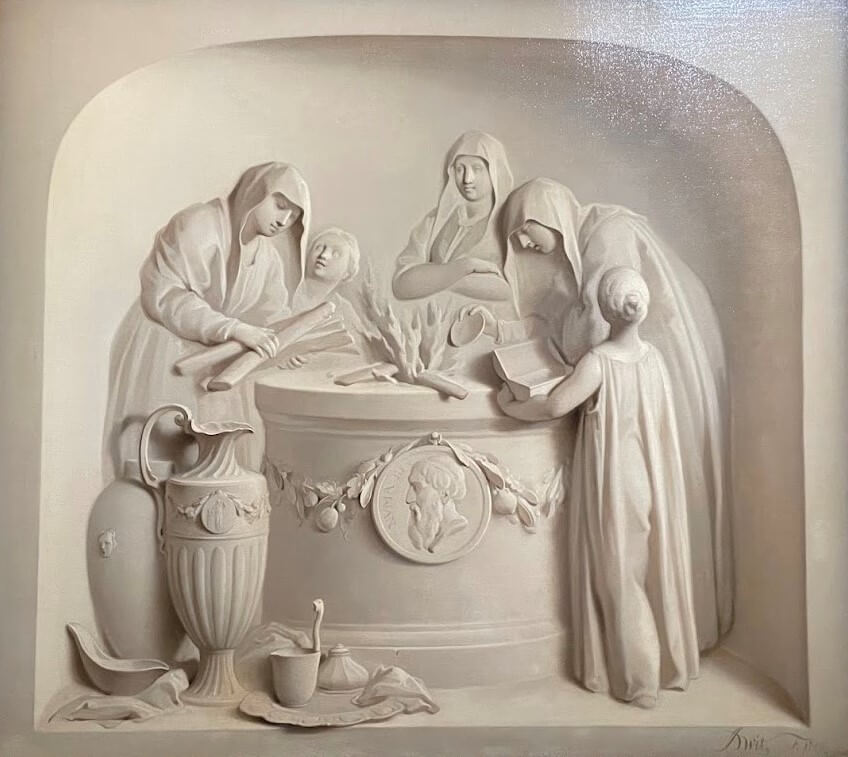
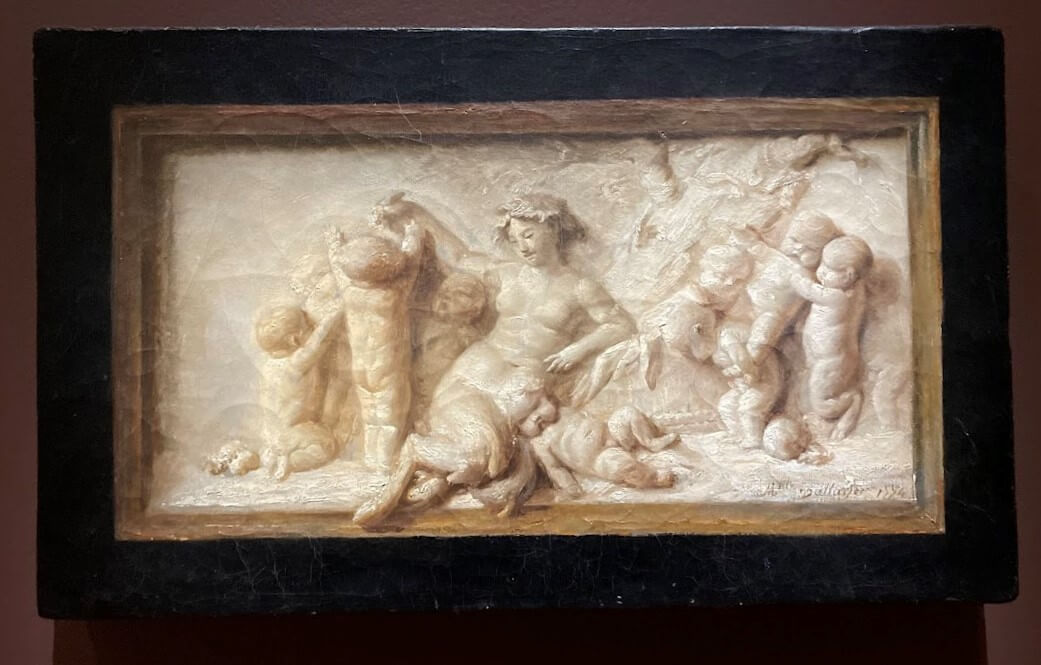


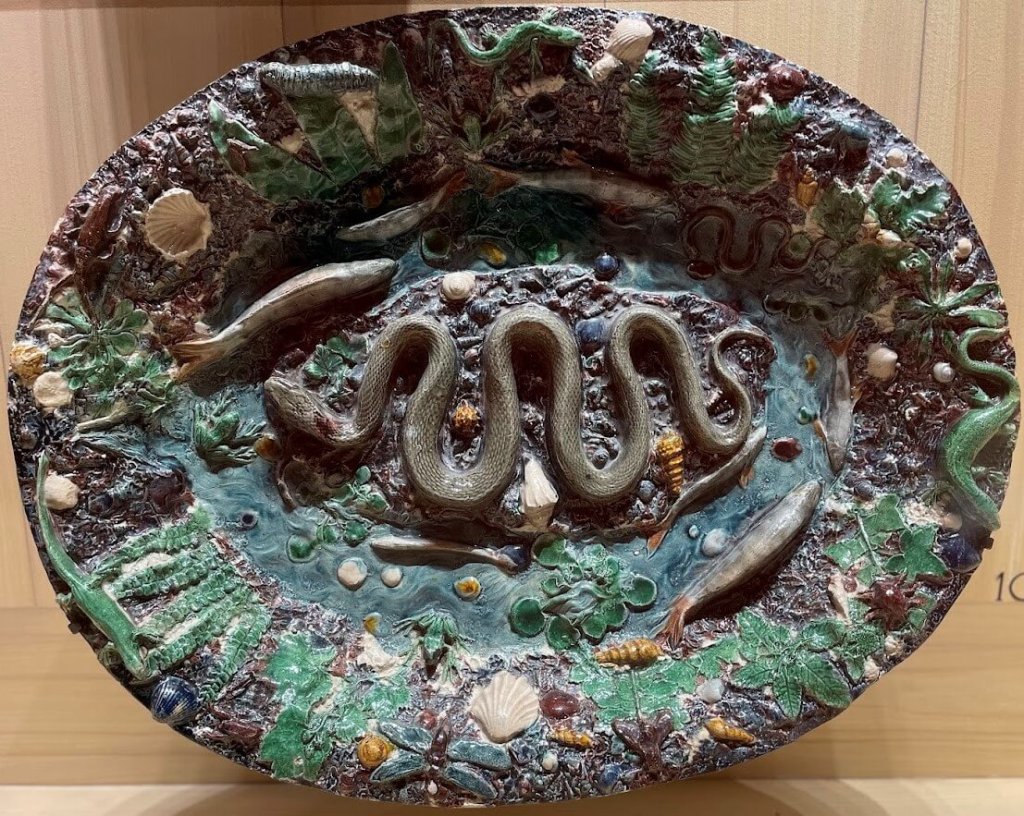
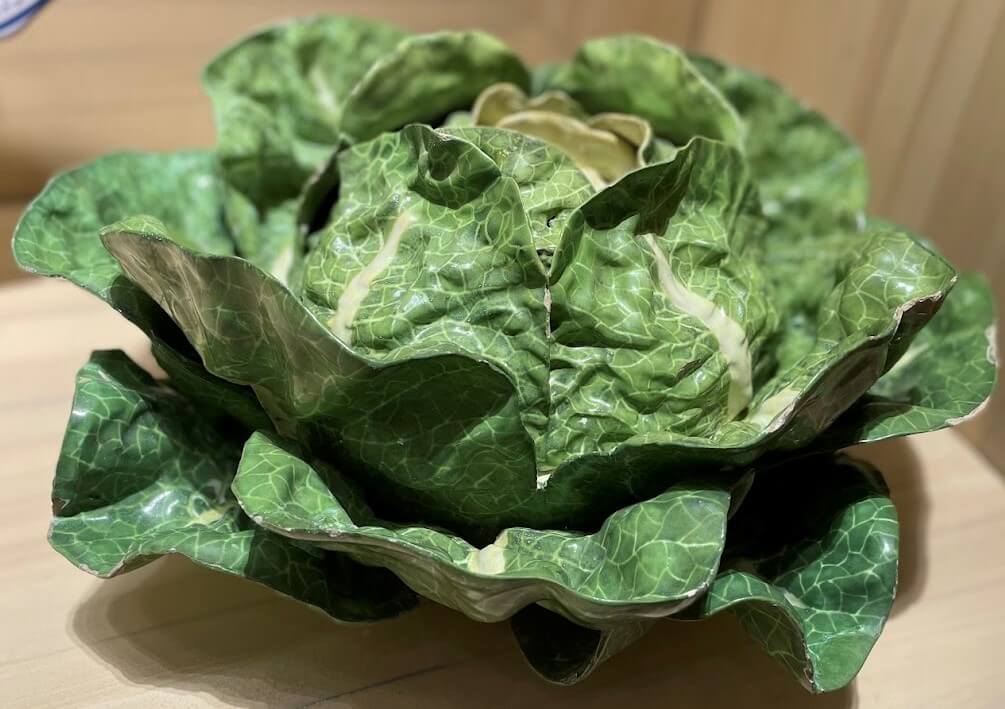
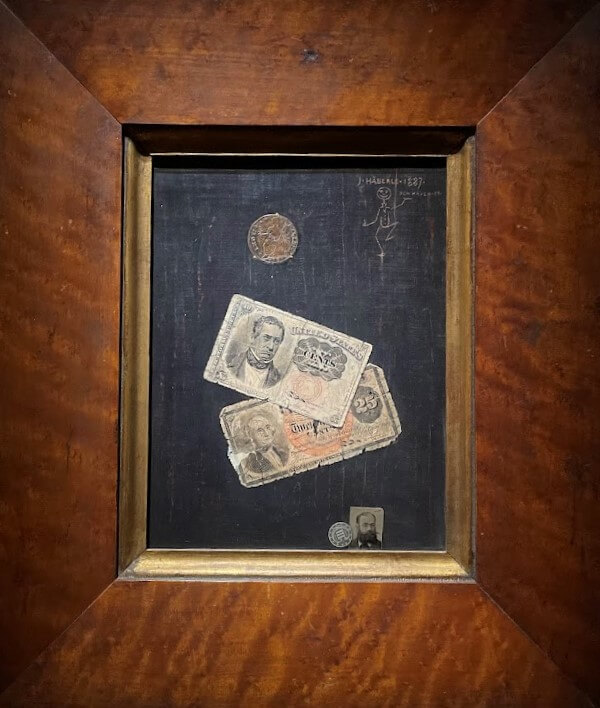
In the 19th century, trompe-l’oeil art developed in the United States, with the School of Philadelphia contributing to the renewal of this traditional technique.
Finally, contemporary artists such as Pablo Picasso, Pierre Roy, and Daniel Spoerri have continued to use trompe-l’oeil to create illusions of reality.


My Highlights
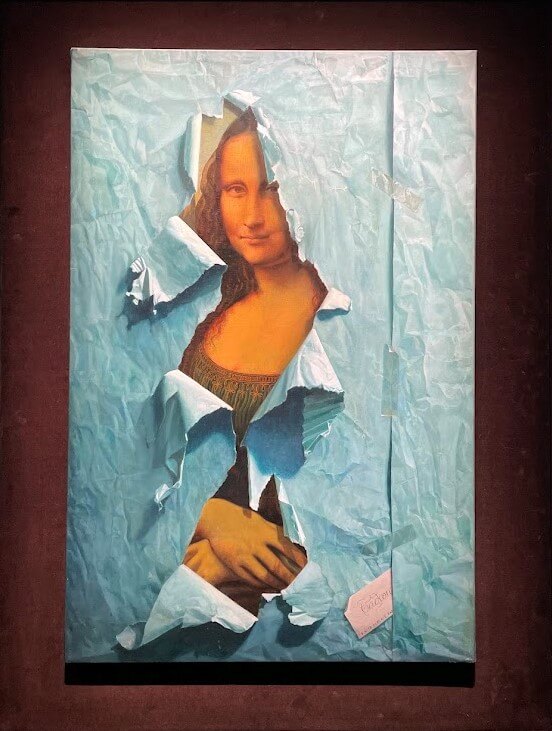
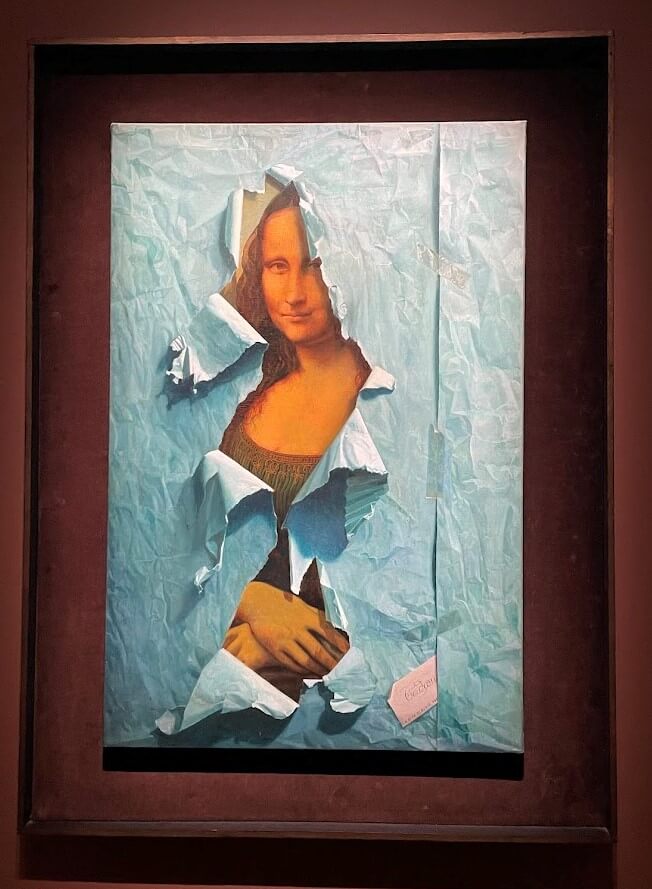
La Déchirure (1981) by artist Henri Cadiou
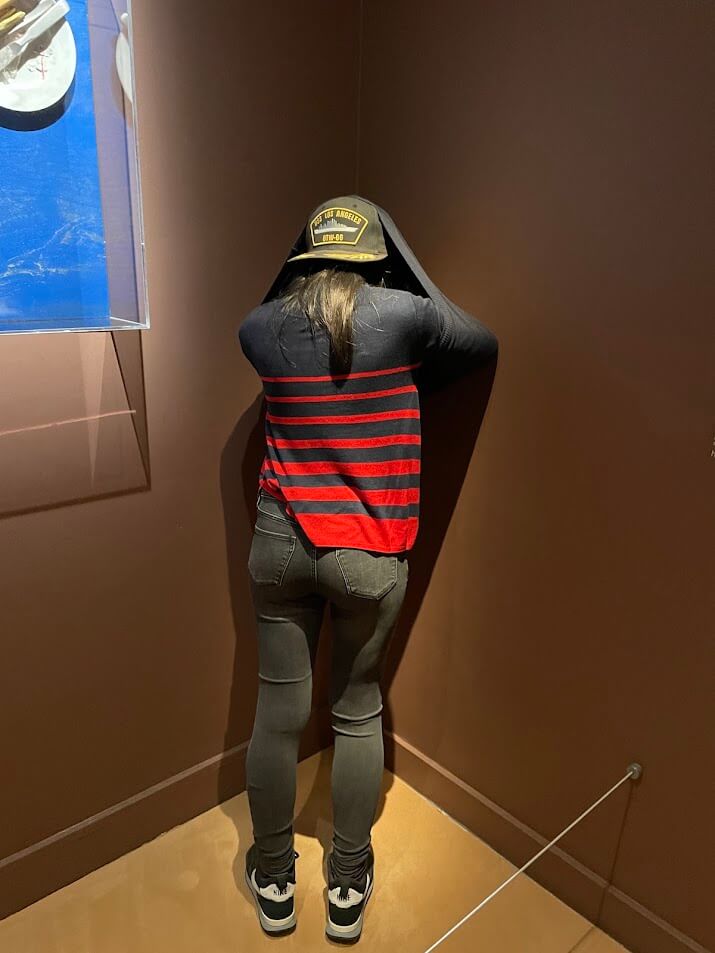
La Déchirure represents a blue torn piece of paper revealing behind an iconic painting: Mona Lisa. The illusion is so realistic with the mix of textures including crumpled paper, adhesive tape, and even Cadiou’s business card.
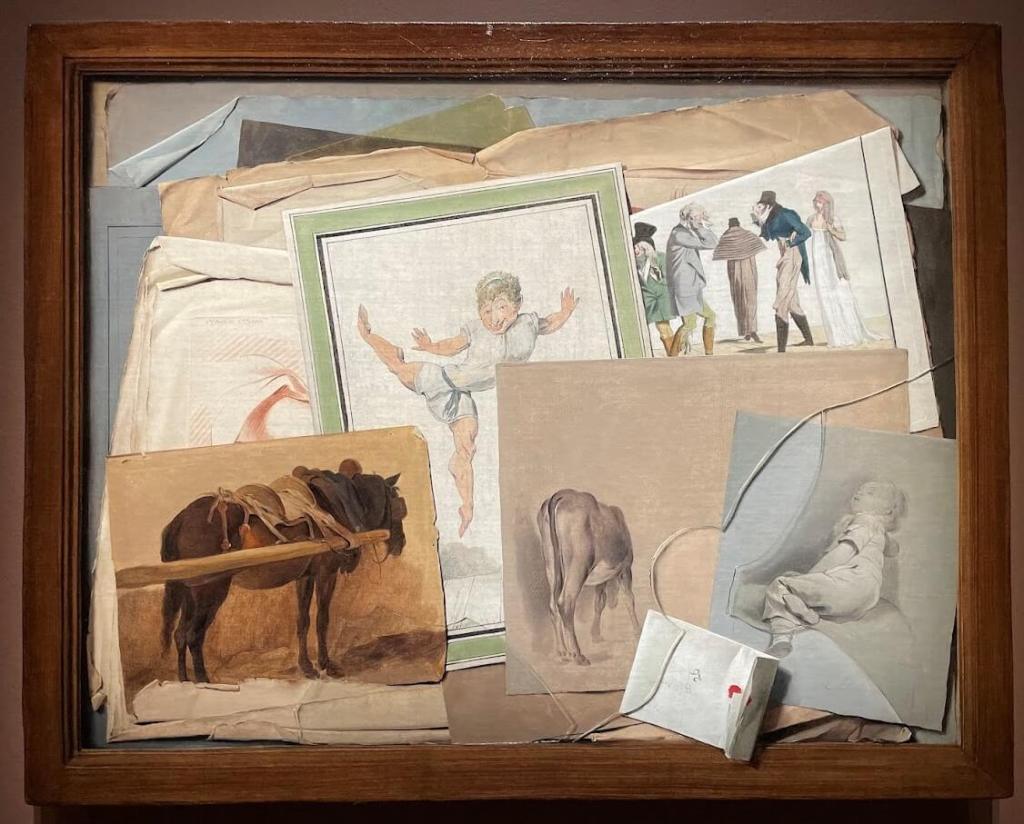
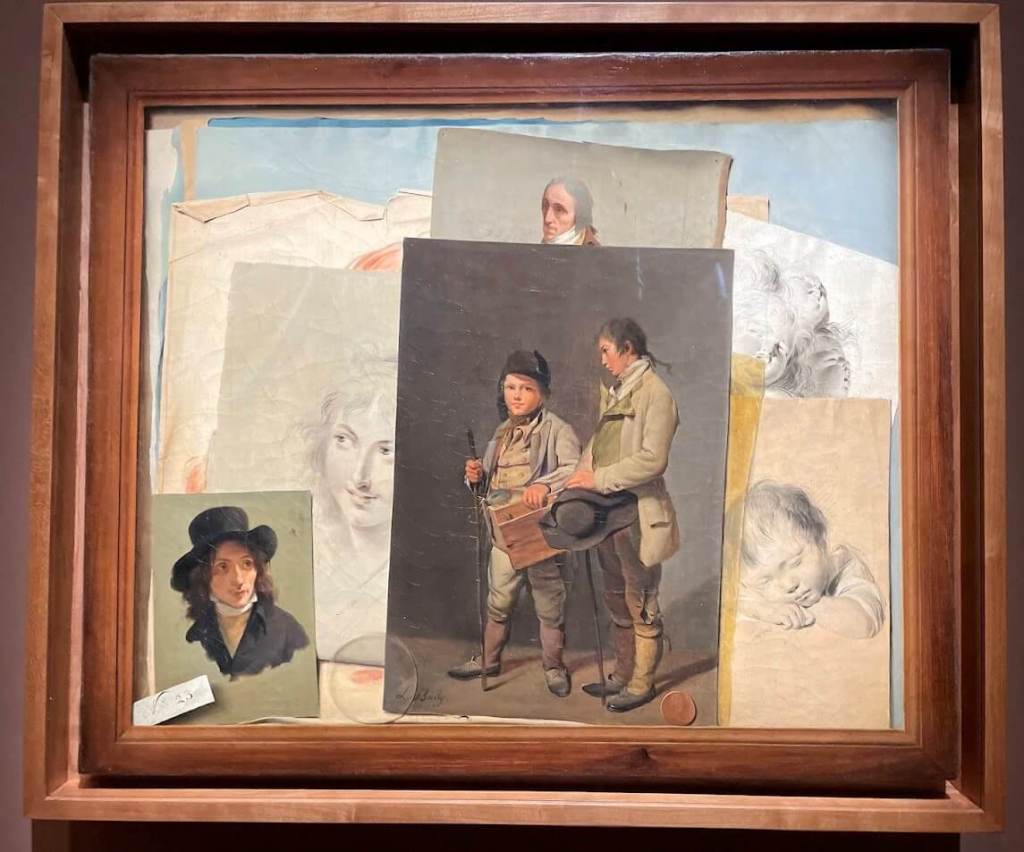
Tompe l’oeil by artist Louis Leopold Boilly
Louis Leopold Boilly Trompe-l’oeil’s artwork references everyday objects layering pictorial techniques. He juxtaposed images, manuscripts, broken glass, oil sketches, charcoal drawings, and coins. He even referenced his previous work, such as the “Reunion d’artistes dans l’atelier d’Isabey” (1798).
This article is based on my visit in December 2024.
Ready to explore Trompe-l’oeil art?
Plan your visit:
- Location : Musée Marmottan Monet, 2 rue Louis-Boilly, PARIS
- Hours: 10:00 am-6:00 pm Tuesday-Sunday. Closed on Monday.
- Exhibit on view from October 17th, 2024 – March 2nd, 2025
- Admission: 14 euros.
- Duration: I spent 1 hour discovering it.
- Parking: Metered street parking
- More information is available at https://www.marmottan.fr/expositions/le-trompe-loeil/.
If you enjoyed this post, please leave a comment, and share it with an art lover.

 DayDream Under the Stars