

2 minutes to read.
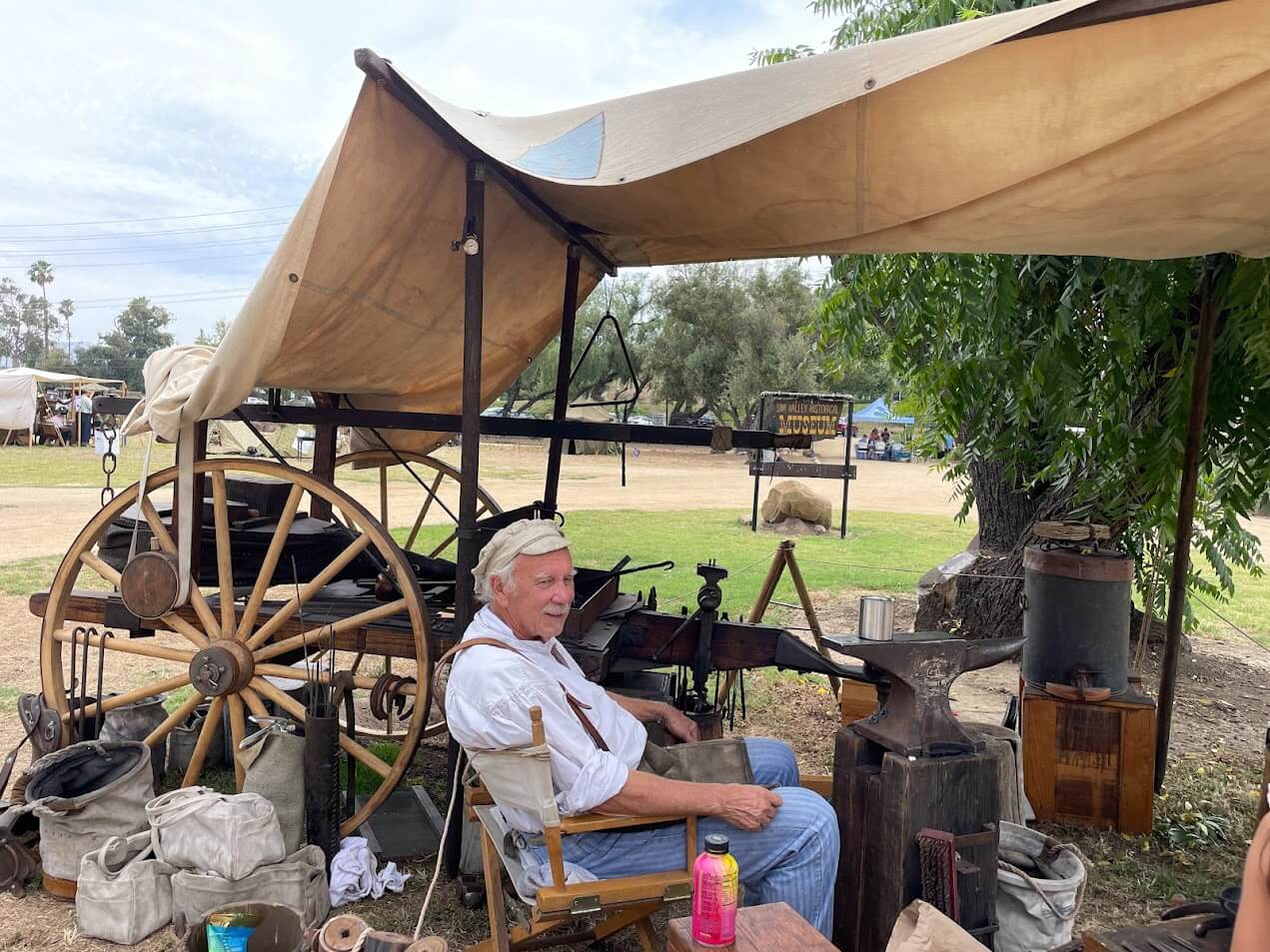
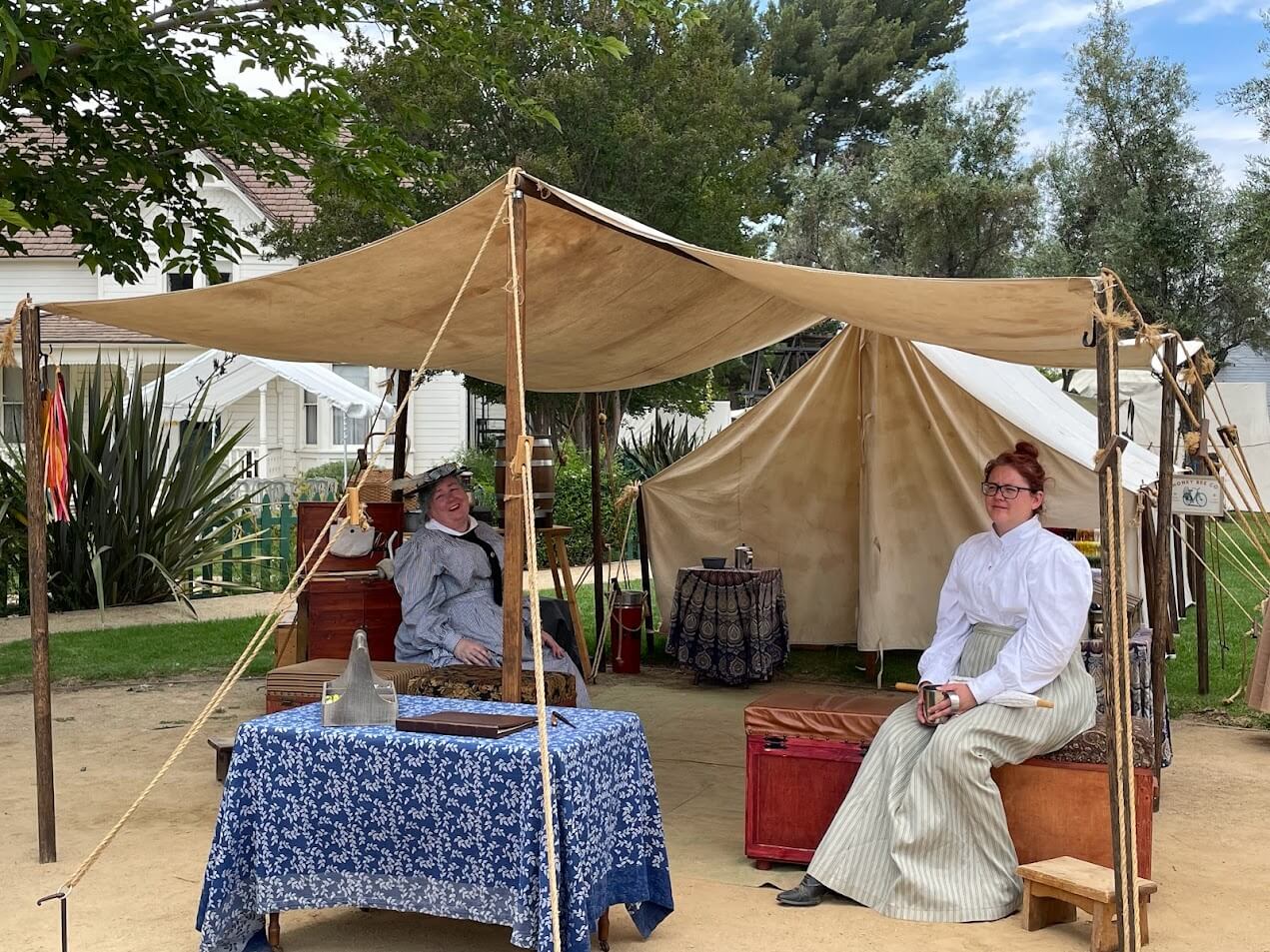
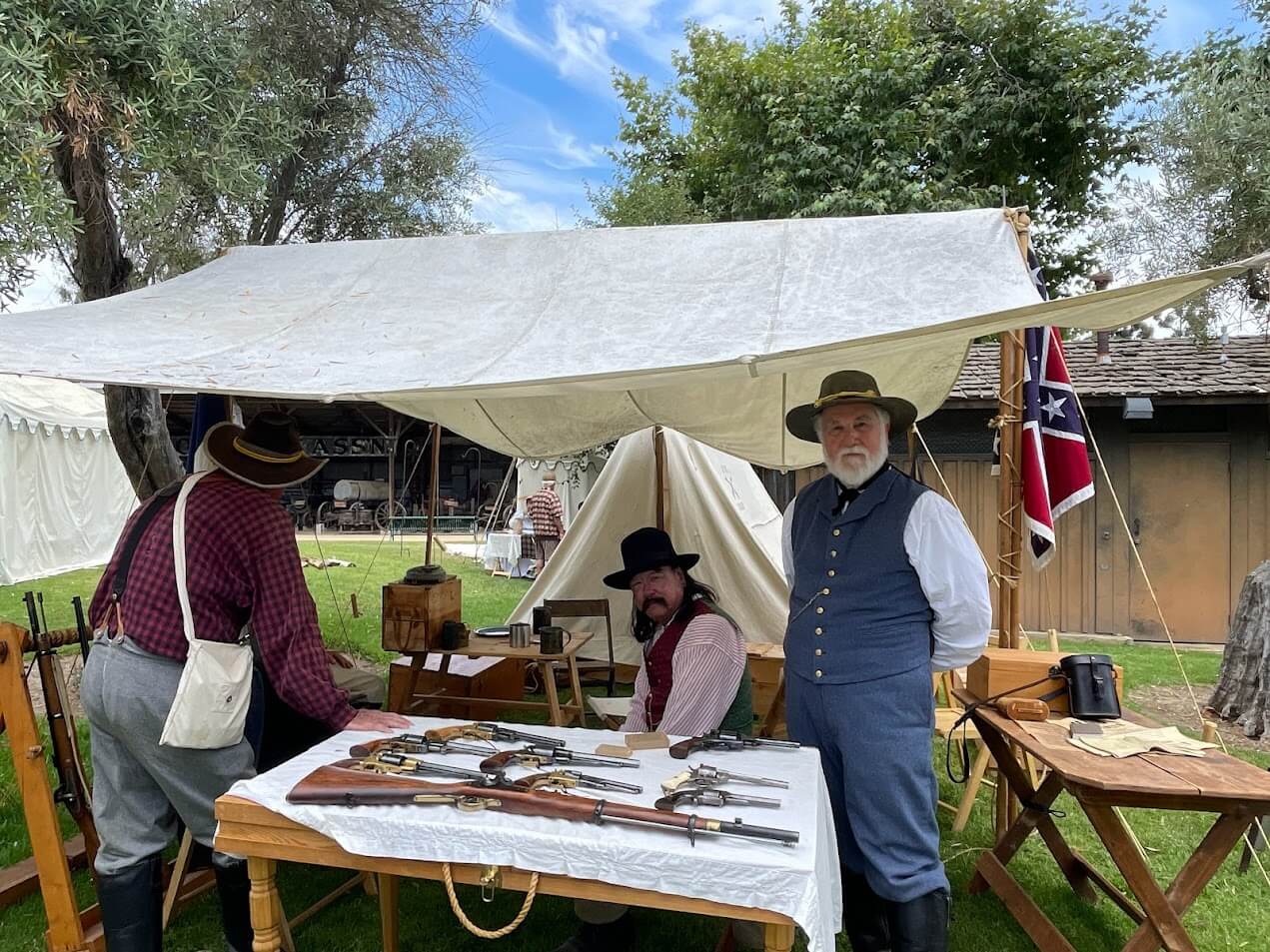
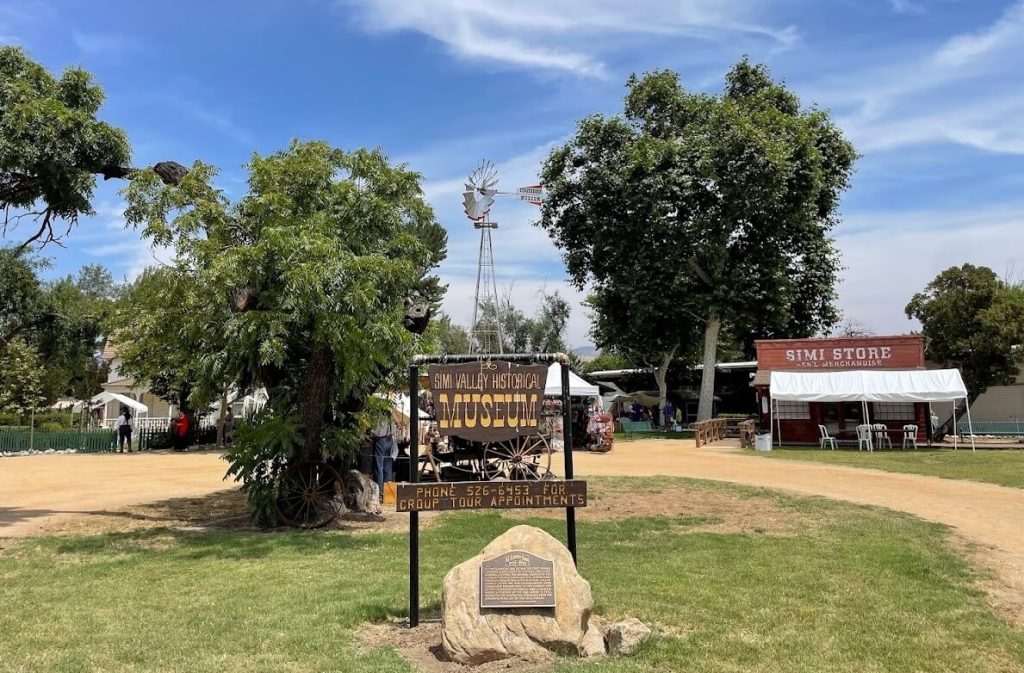
Discover the rich history of Simi Valley at Strathearn Historical Park and Museum. This six-acre park is home to several historical landmarks and fully furnished homes with original artifacts. Experience a piece of living history and learn about the early settlers and their way of life.
Ready to step back in time? Let’s explore!
Preserving the History of Simi Valley at Strathearn Historical Park and Museum
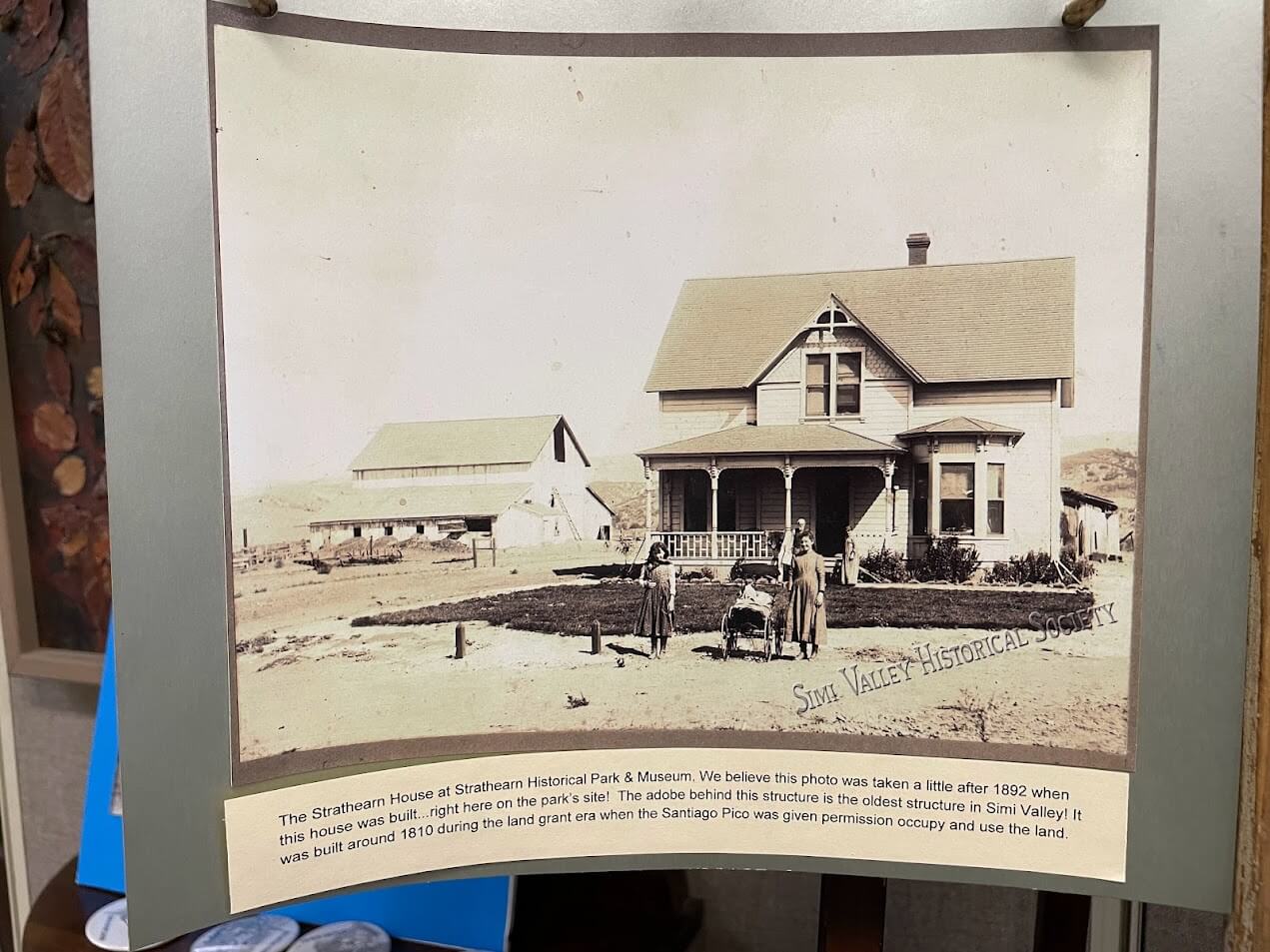
In 1968, descendants of Simi Valley pioneers Robert P. and Mary Lamb donated their family home, the Strathearn House, and six-acre park to the Rancho Simi Recreation and Park District. In collaboration with The Simi Valley Historical Society, the latest extended the park site to house several historic local buildings. From 1970 to 2018 more than 10 buildings have been relocated to the present site and restored including the Colony House, the original Simi Library, Saint Rose of Lima Church, Wood Ranch barns, the Simi Store gift shop, and the Banaga Barbershop.
Did you know?
Simi Valley is derived from a Chumash village called “Shimiji.”
El Rancho Simi
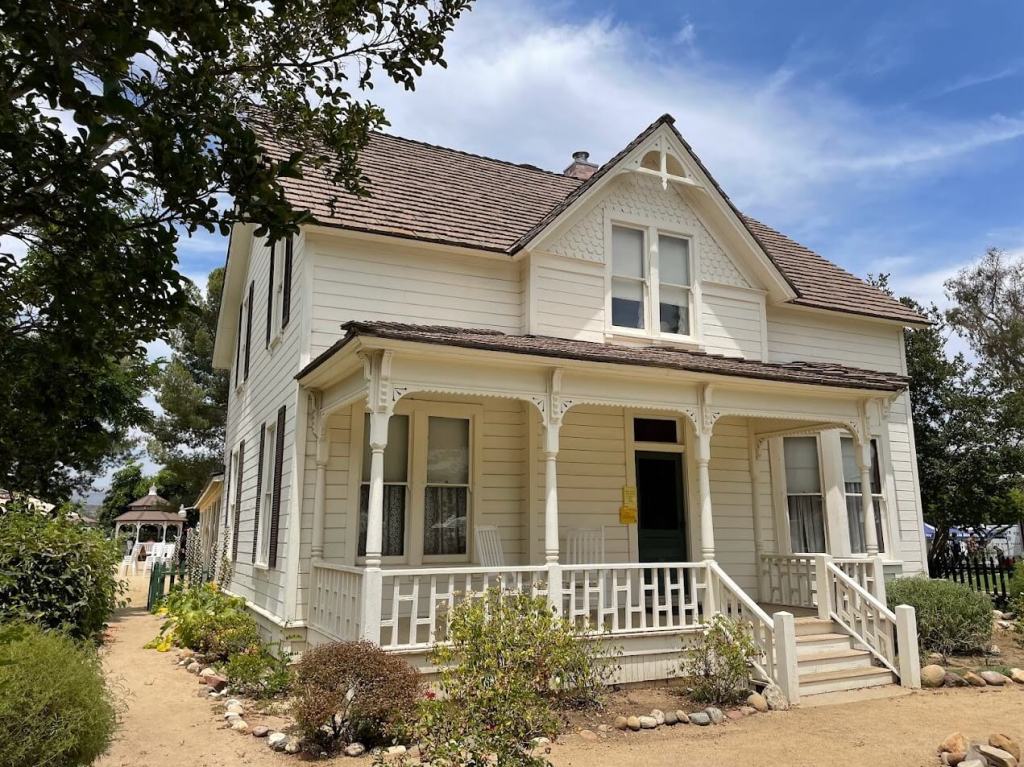
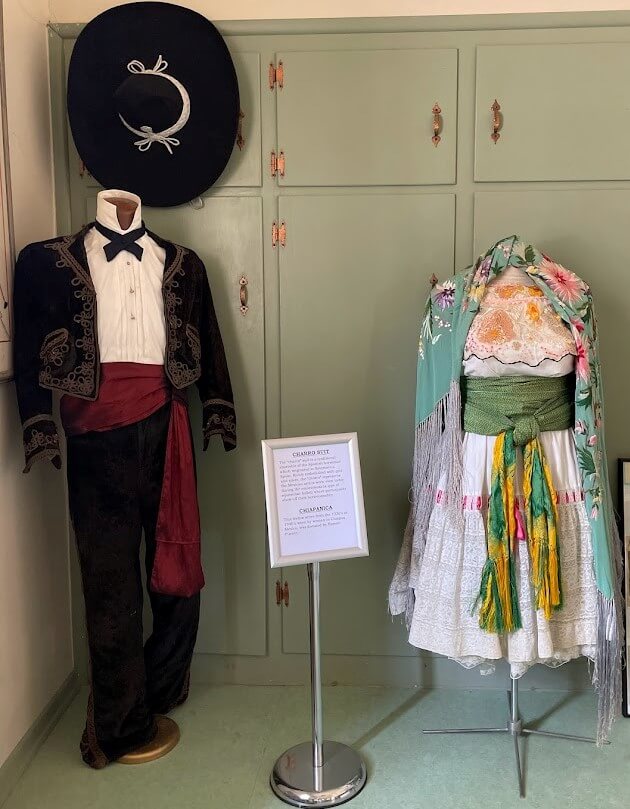
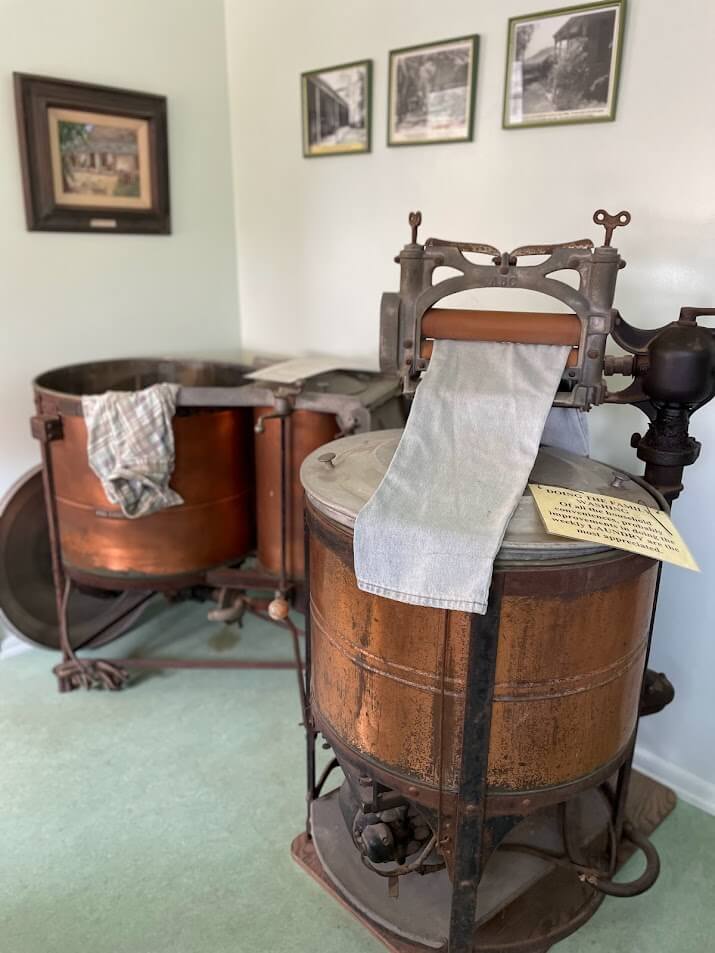
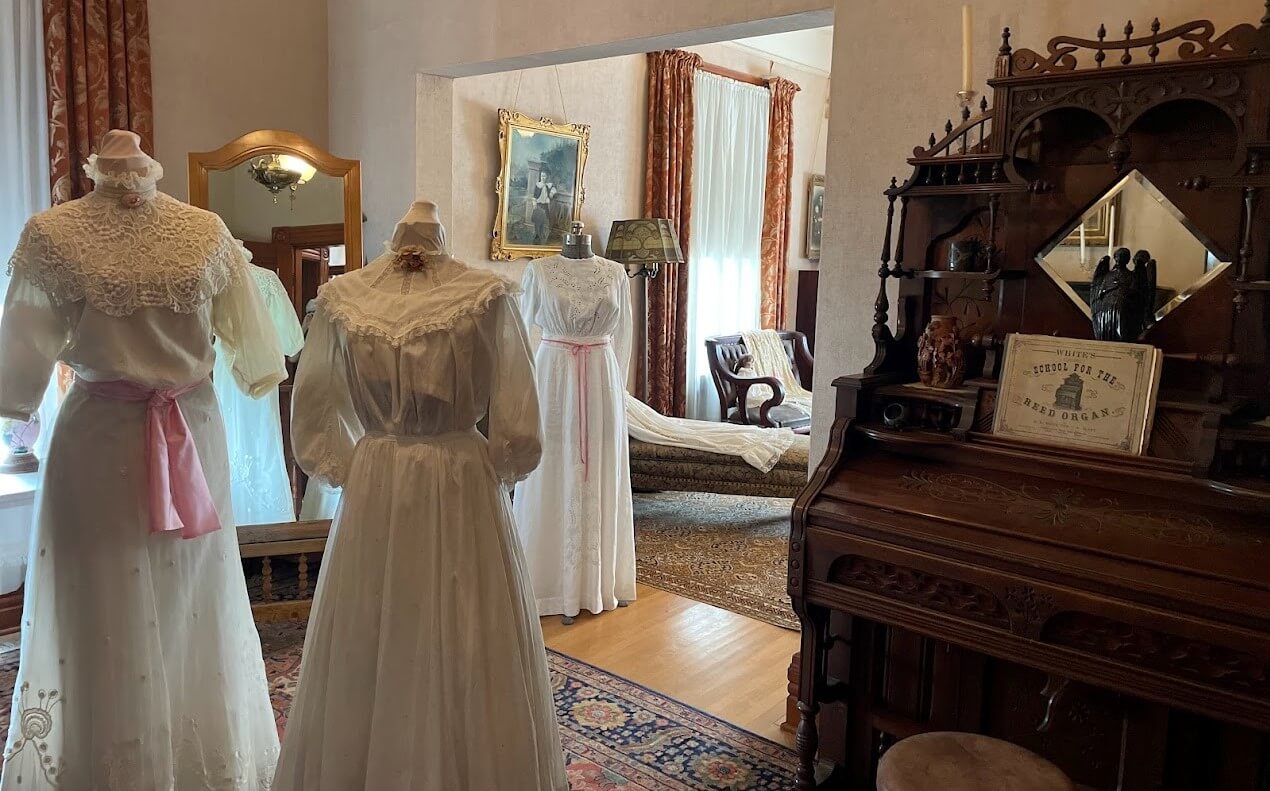
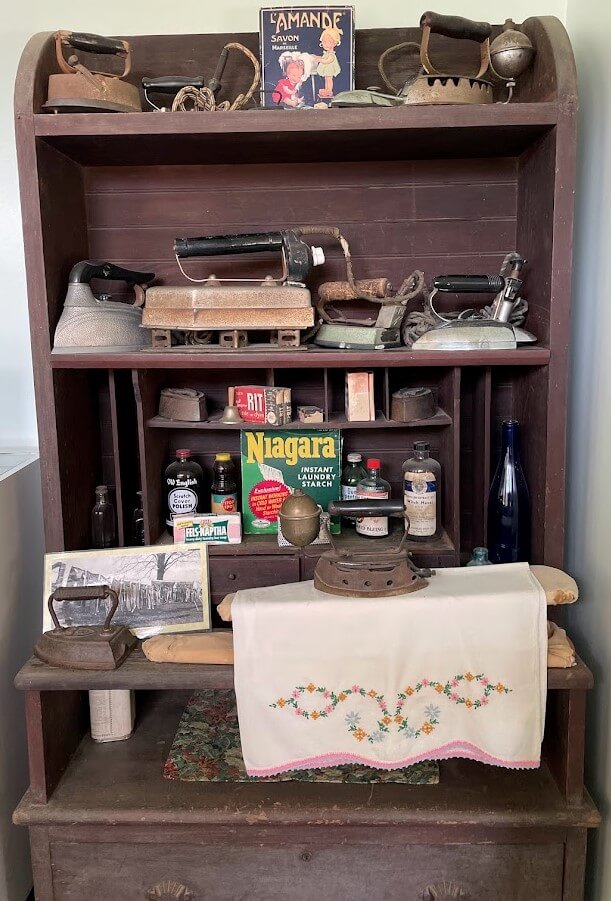
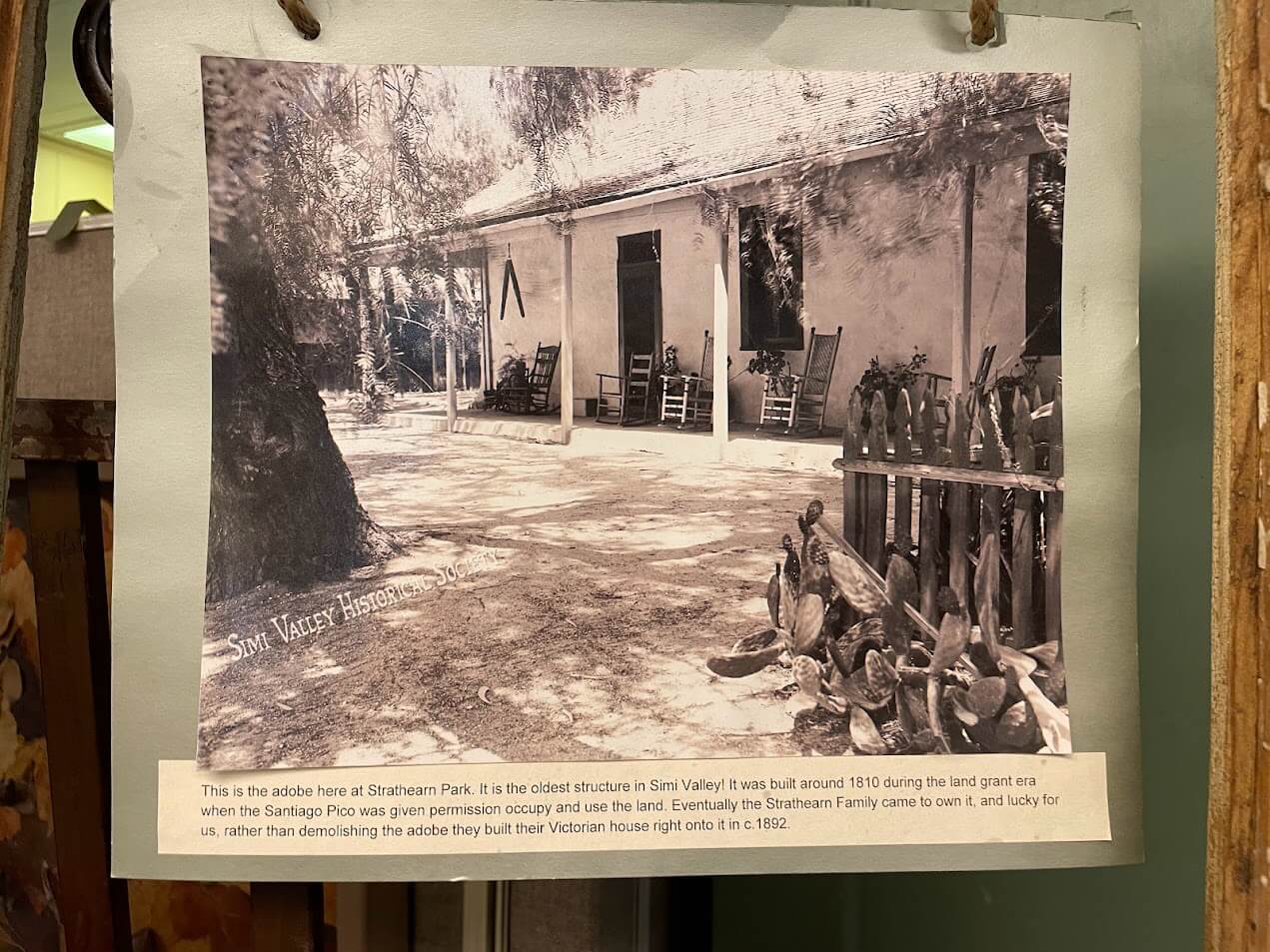
Rancho Simi was one of California’s largest land grants from the King of Spain. In 1795, Santiago Pico received these 113,000 acres of land. The property was purchased in 1842 by Jose de la Guerra, then in 1889 cattle ranchers Robert P. Strathearn and his wife Mary Lamb purchased 15,000 acres of the old rancho. They transformed the original adobe into a kitchen and dining room and extended the structure with an office, a double parlor, and four bedrooms. This two-story Victorian-era farmhouse was called the Home Ranch. The Strathearn family lived in the house until 1968.
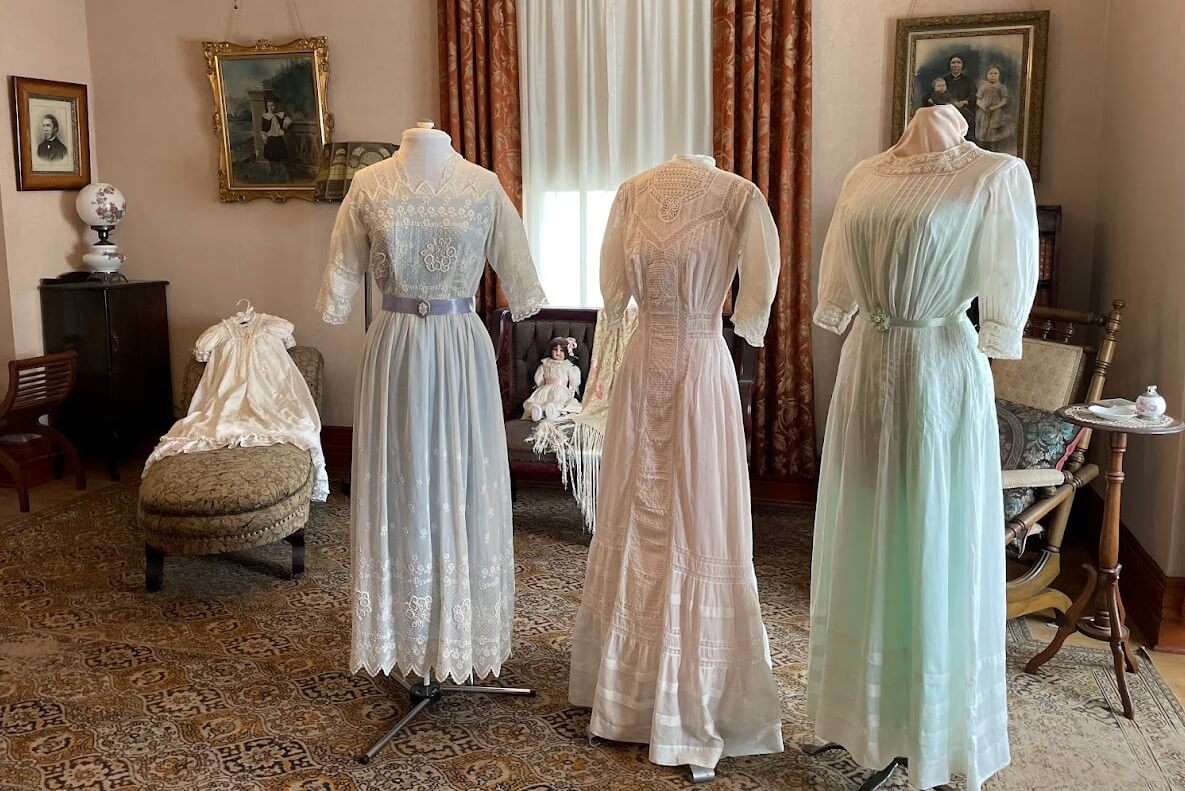
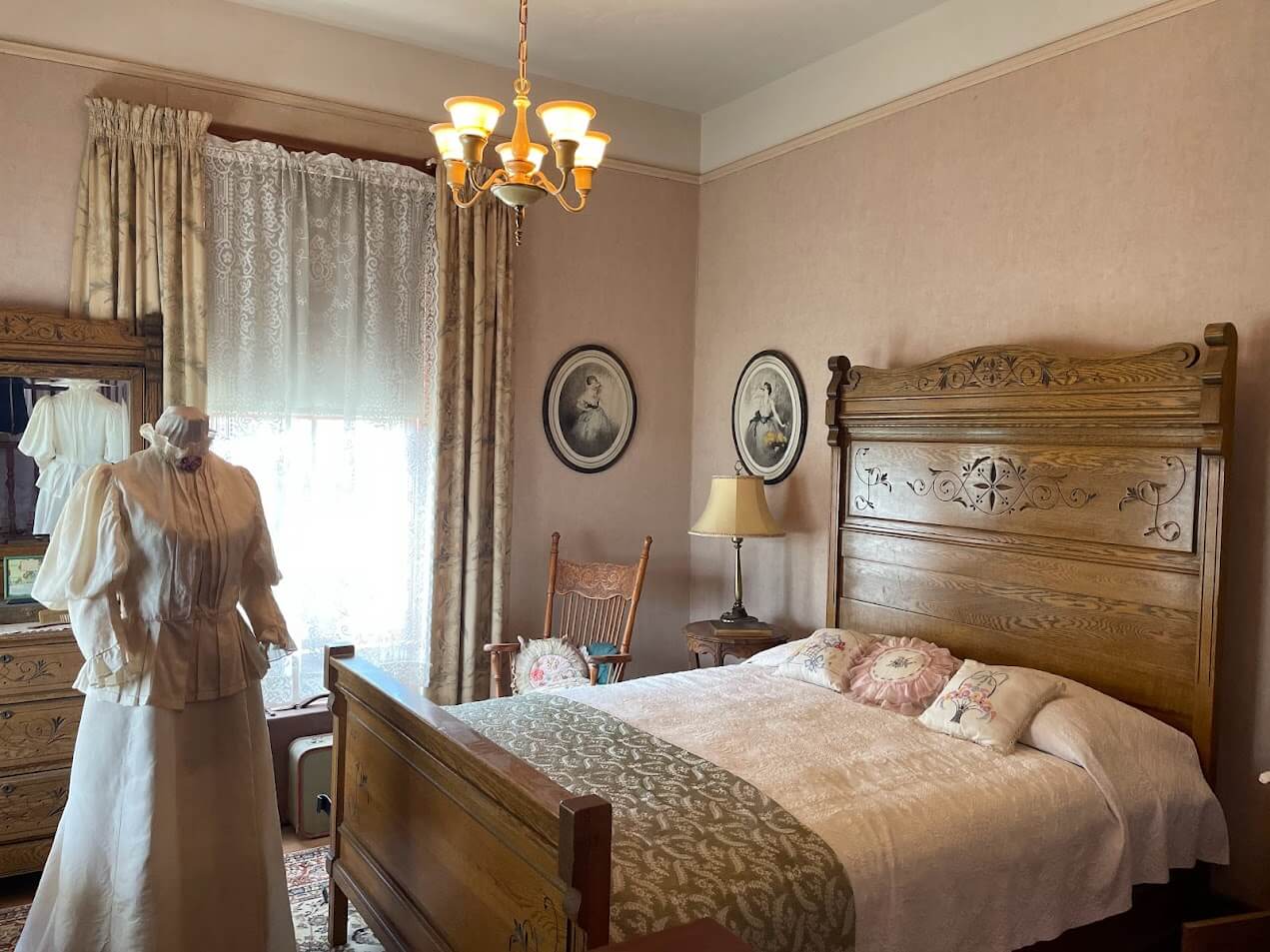
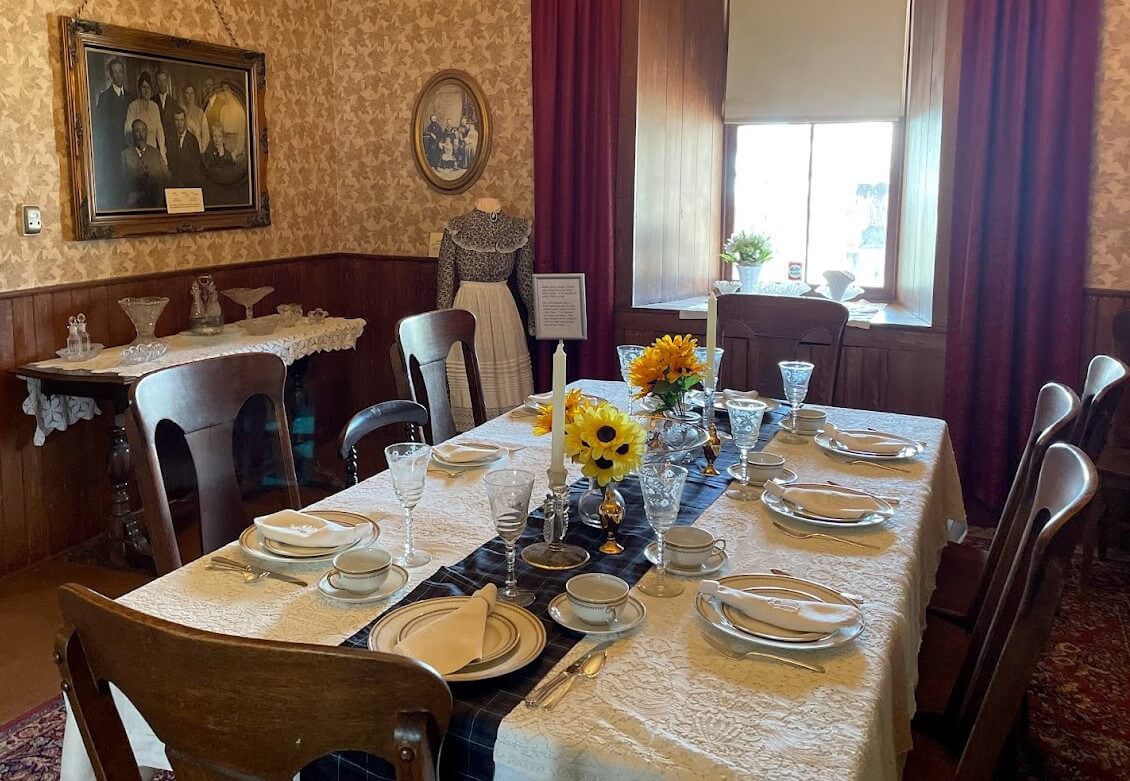
Did you know?
Built around 1810, the adobe is the oldest structure in Simi Valley.
The Colony House
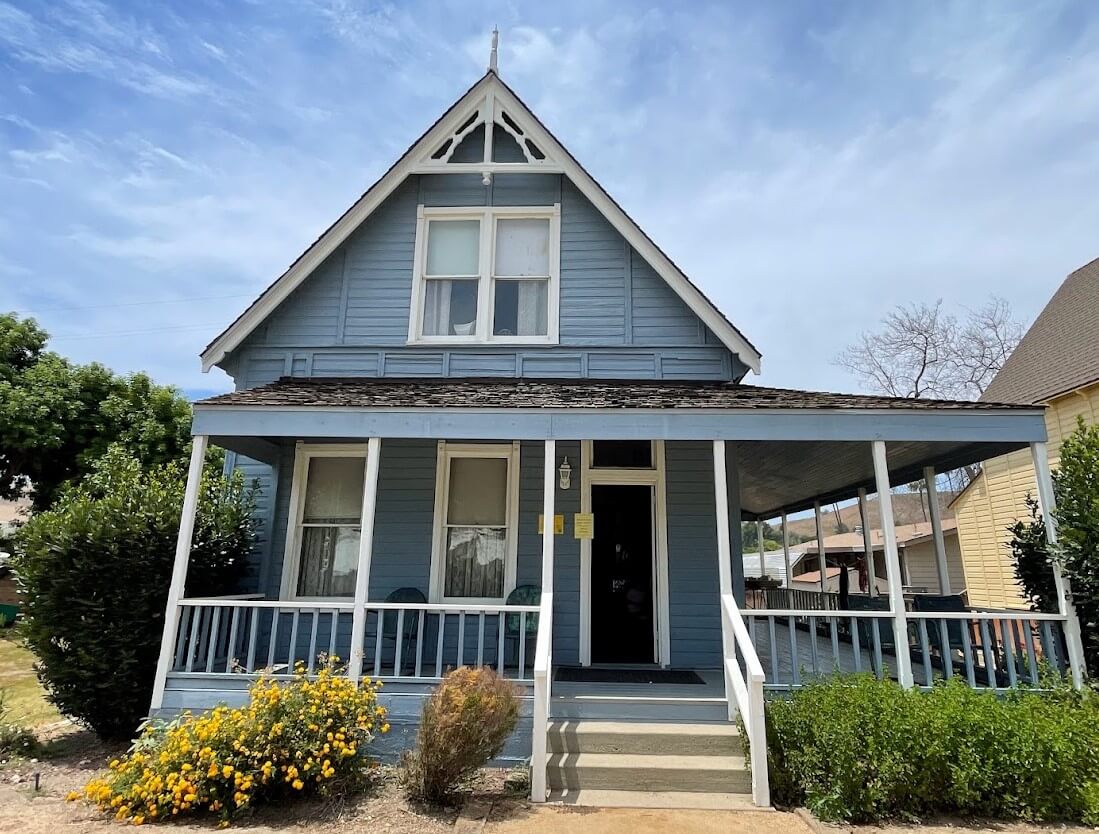
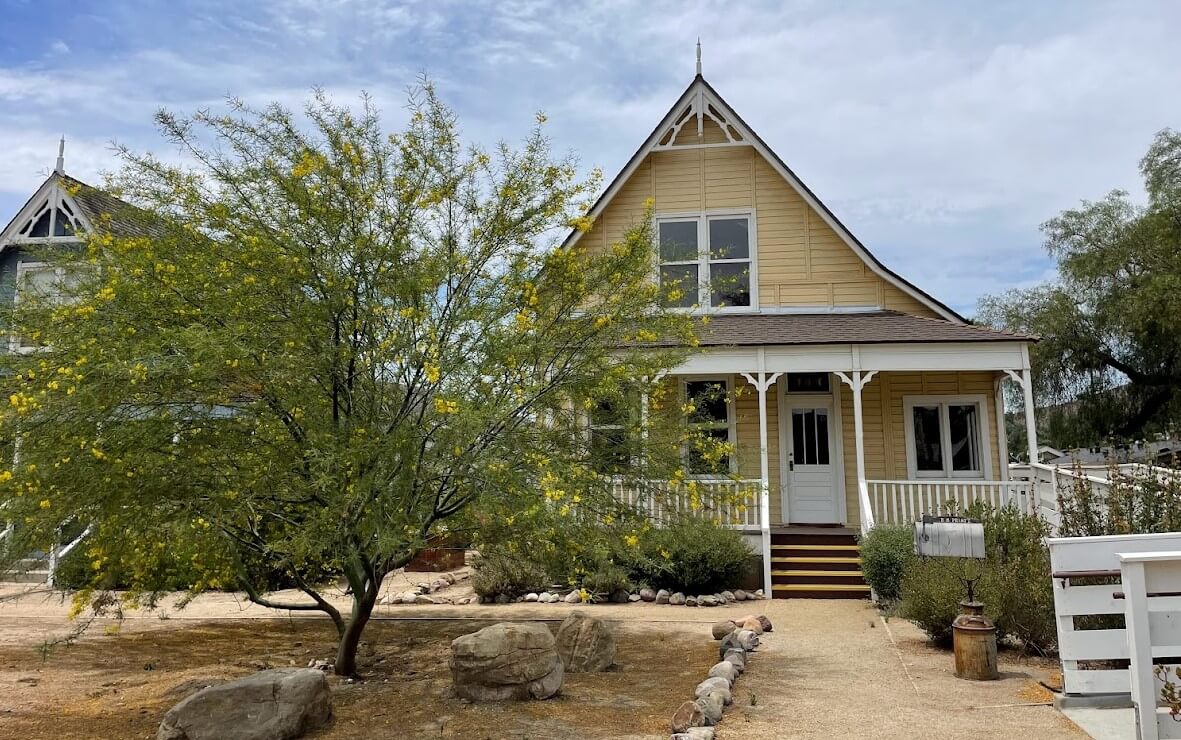
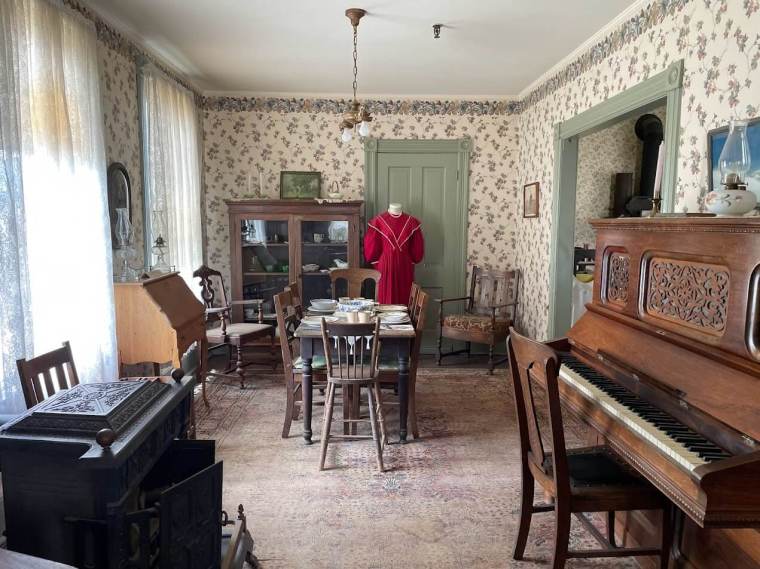
A group of doctors from Chicago, known as the California Mutual Benefit Colony of Chicago, planned to start a business in Simi Valley. Attracted by the sunny weather, they intended to build a health resort or sanatorium. As a result, in 1888, twelve pre-cut and partially assembled houses arrived by train from Chicago. These houses, called the Colony Houses, were assembled to create the first neighborhood in Simi Valley. Although they never started their business, the houses remained.
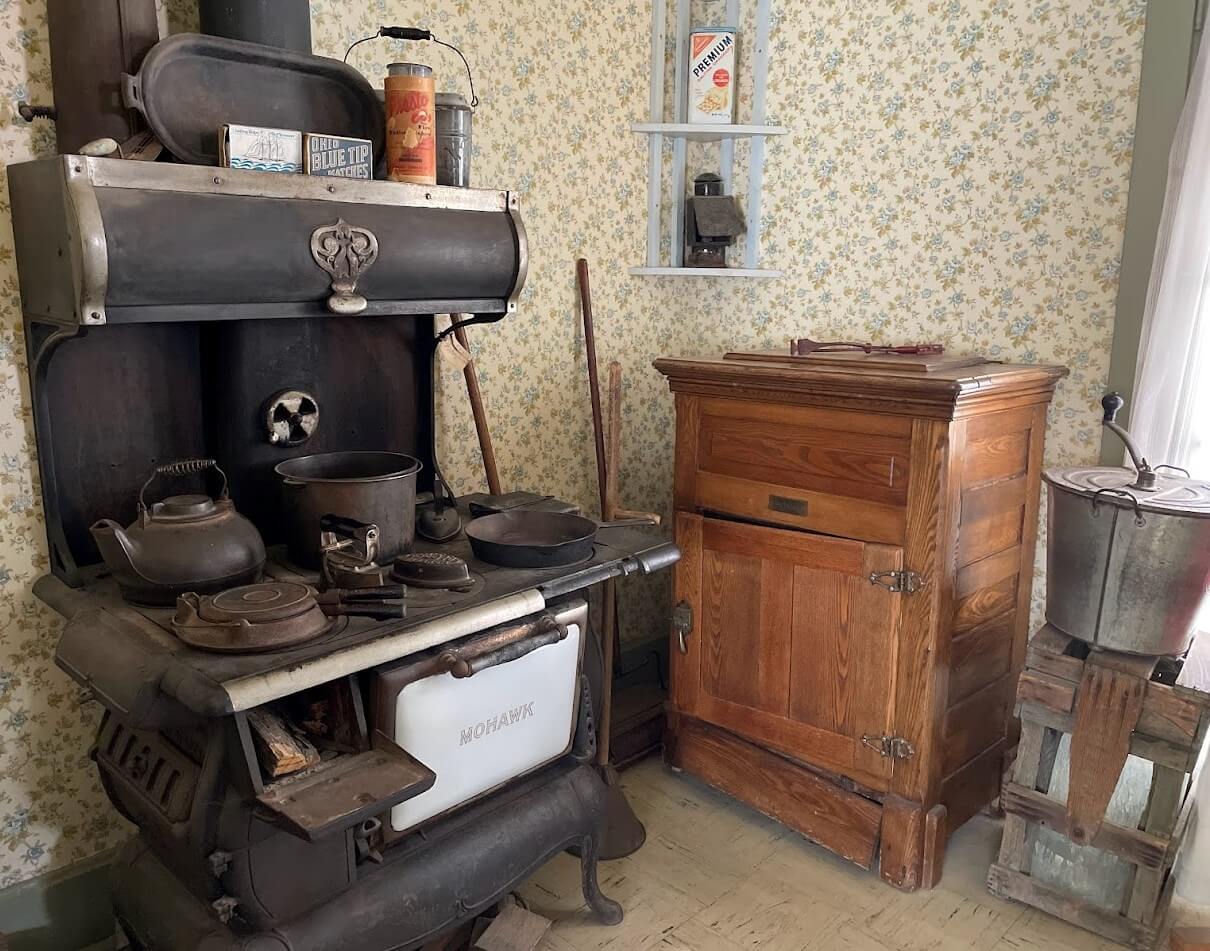
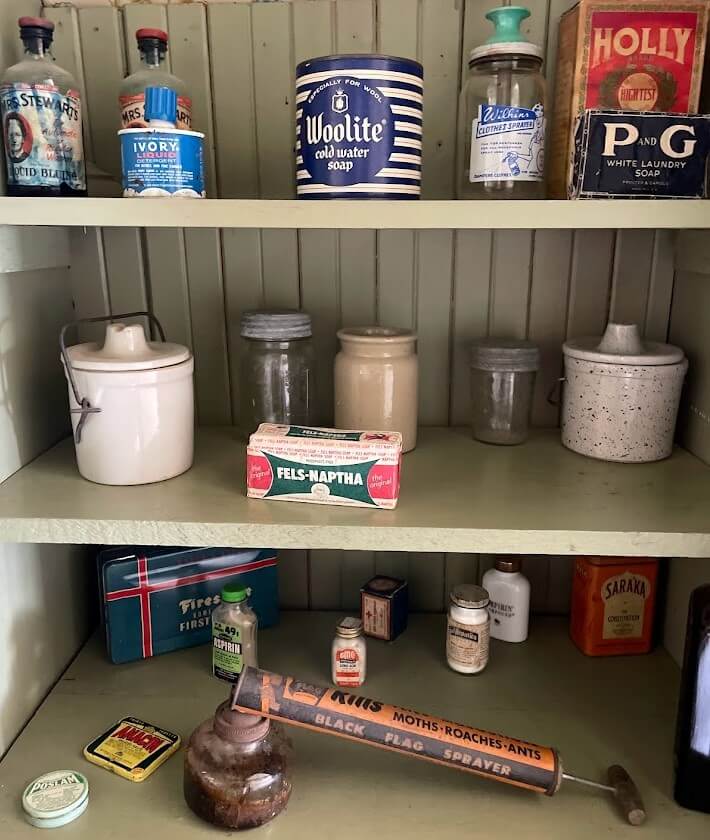
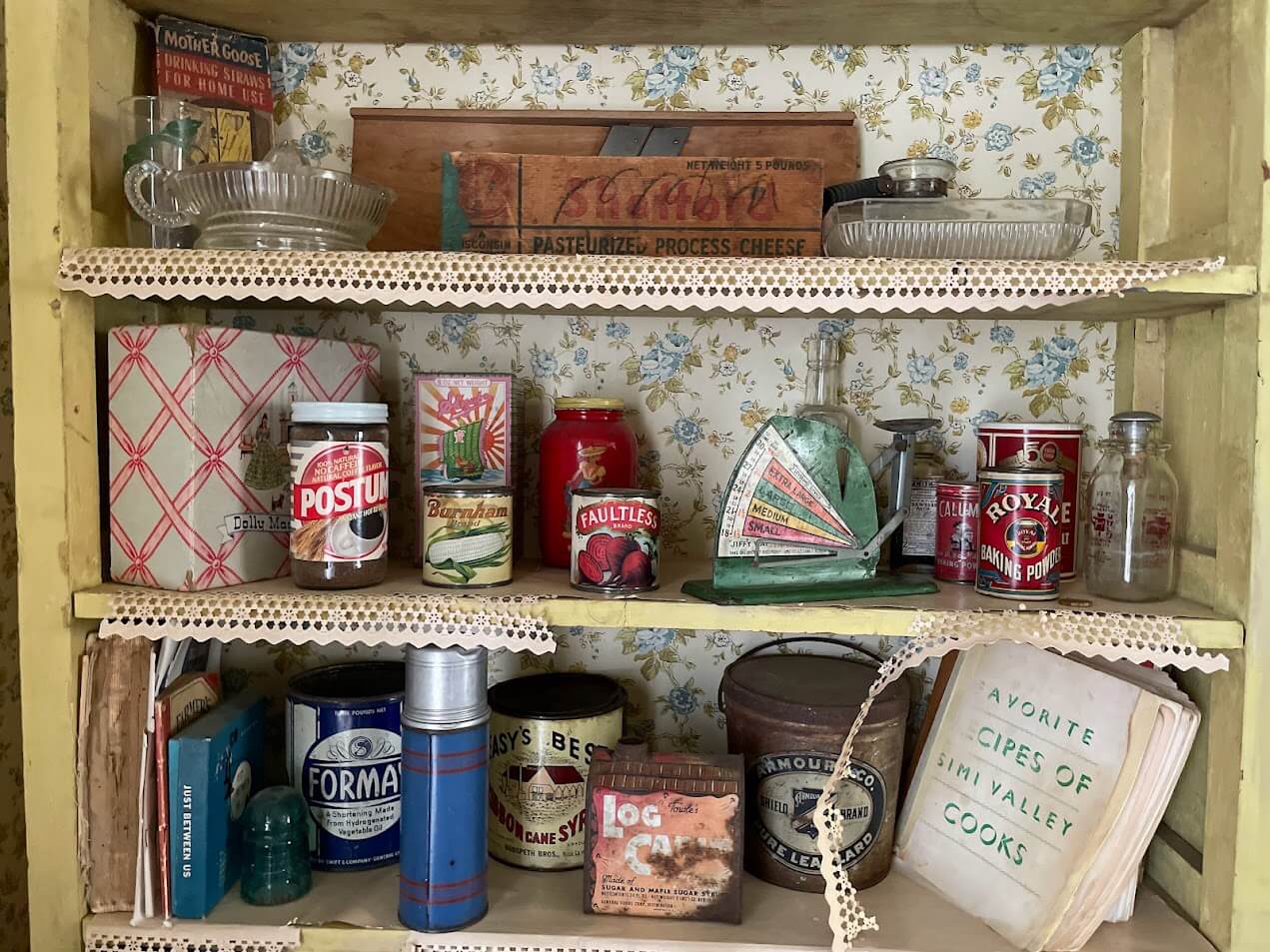
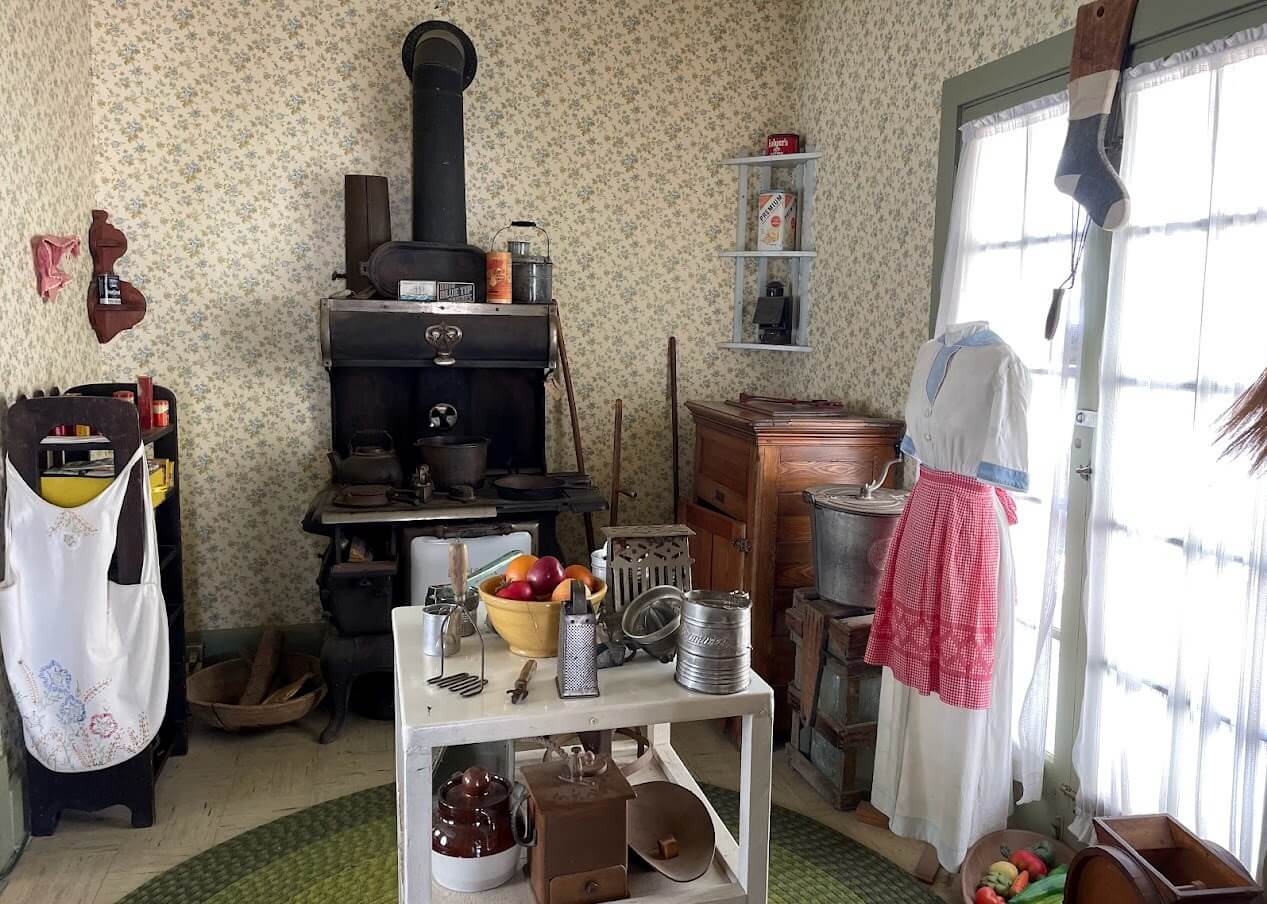
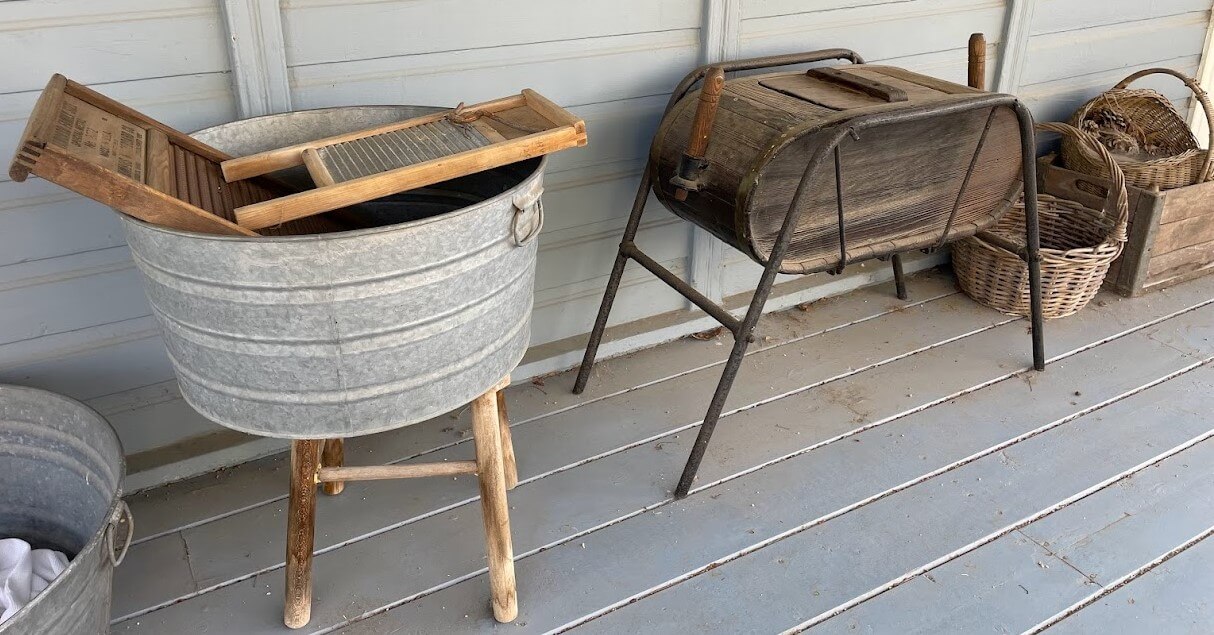
Today, only two of these houses have been preserved: the Haigh/Talley and Printz/Powell houses. Fully furnished, you can discover original artifacts inside, from antique furniture to vintage photographs.
Simi Library
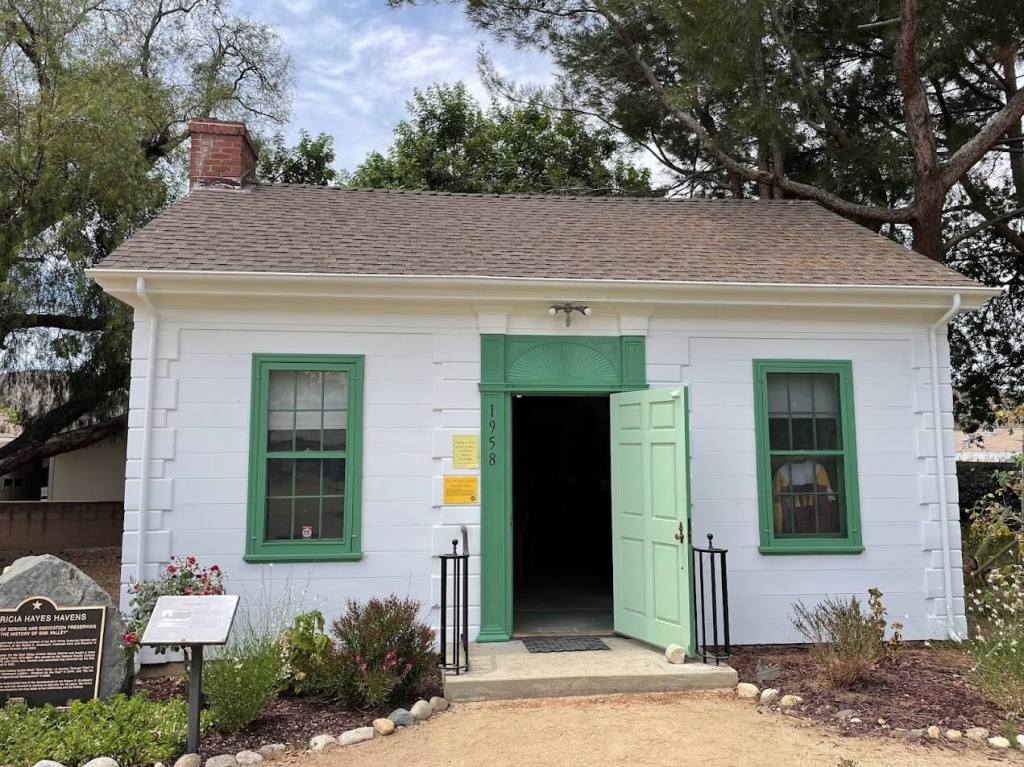
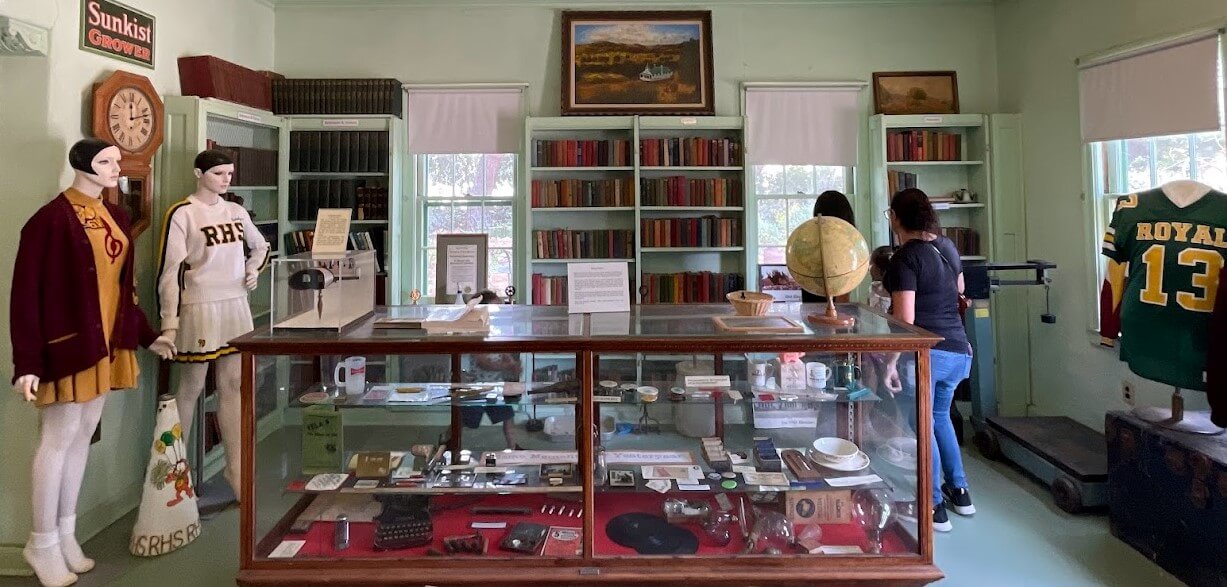
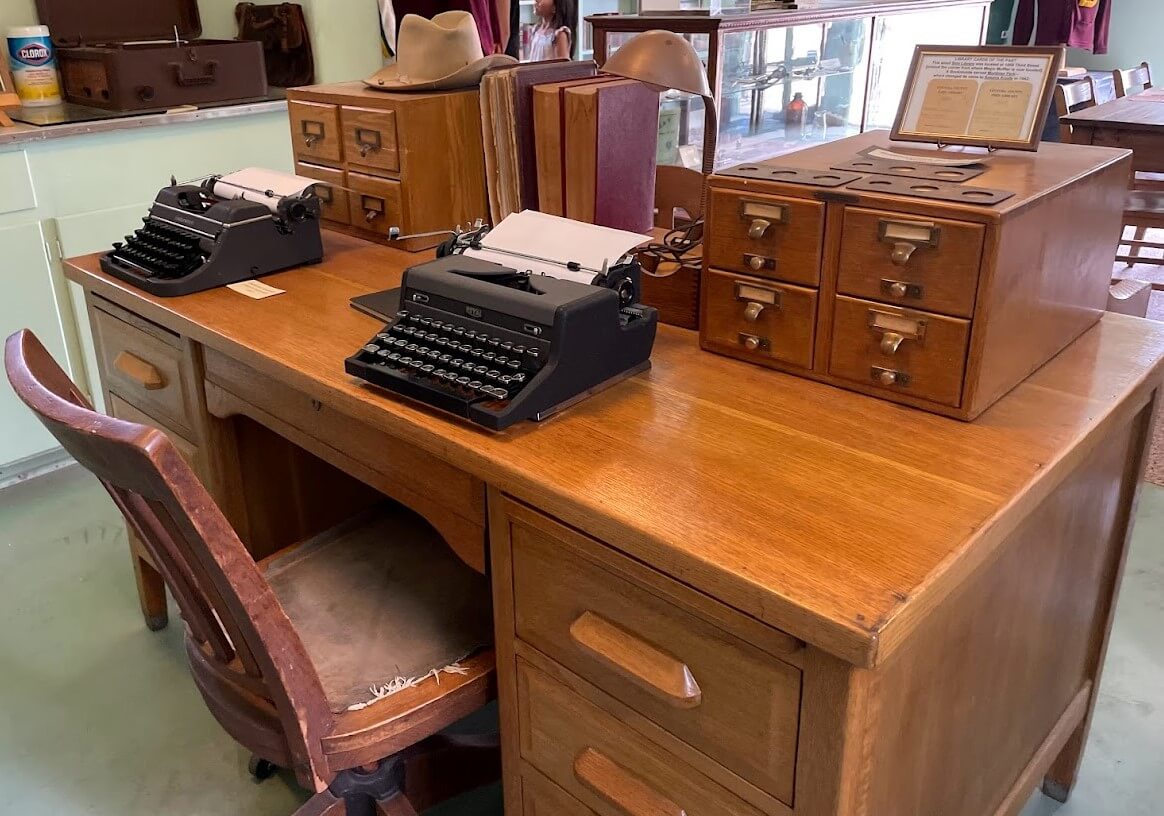
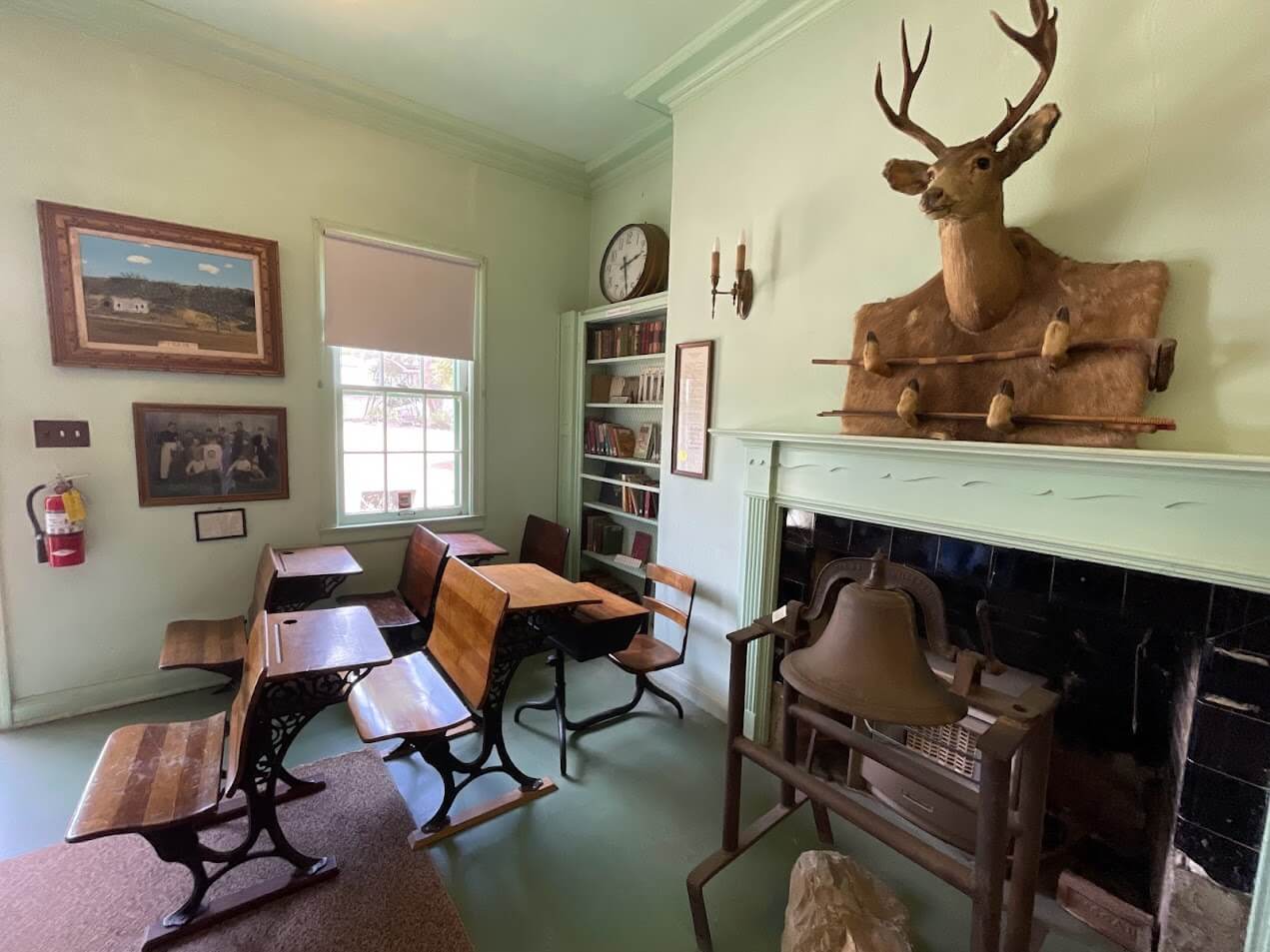
Built in 1930, this small building was the first library in Ventura County. Previously, the county branches were located in small places such as churches, schools, or private homes. Step inside to discover many artifacts and pictures from the Simi Valley schools and library.
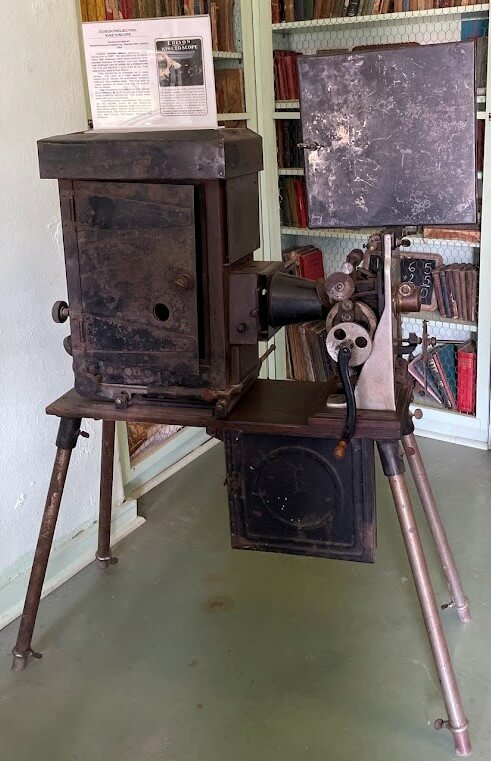
Don’t miss the Edison projecting kinetoscope found in the Crinklaw building in Santa Susana.
Banaga Barbershop
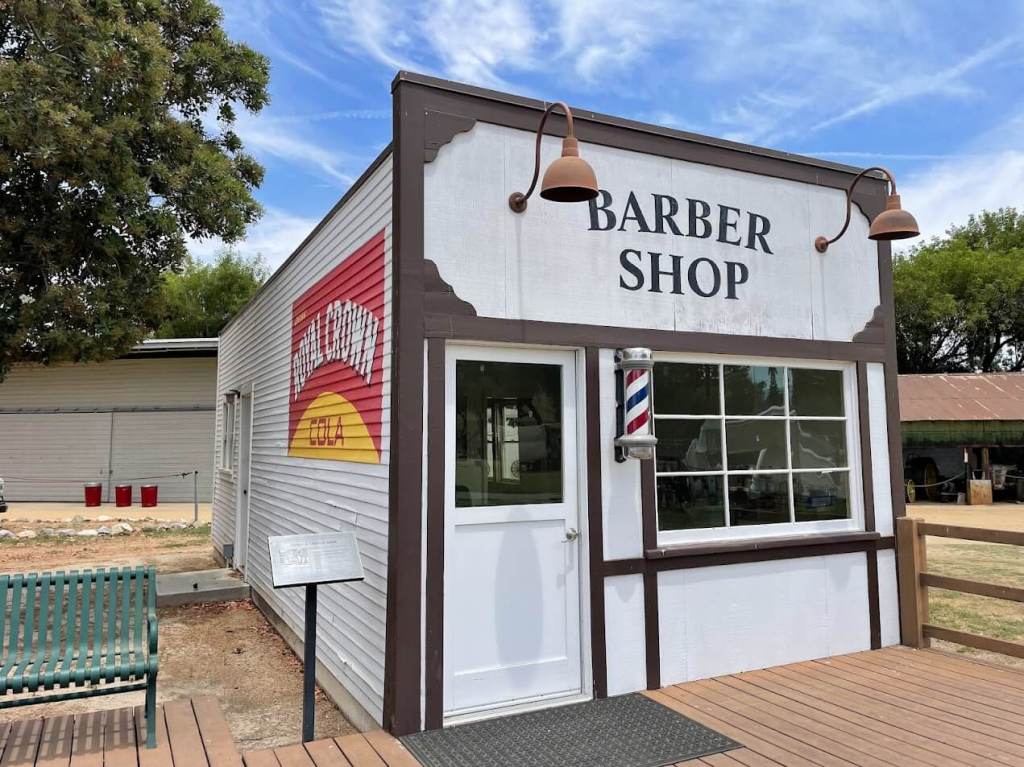
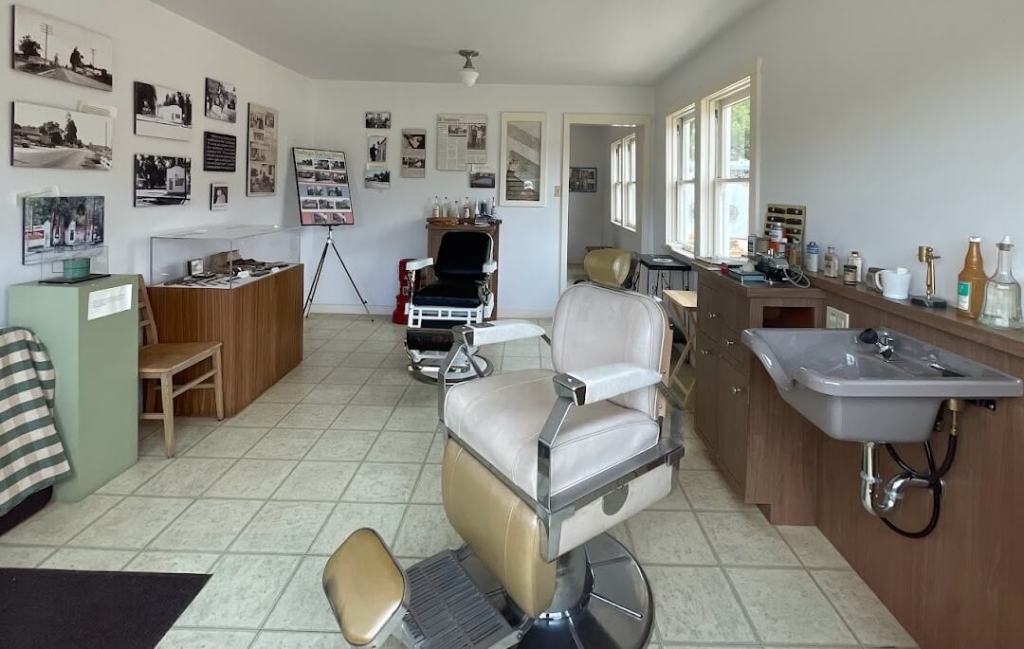
Built around 1905, this barbershop has had many lives: from a candy store to a family home, chiropractic office, household shop, and café. Manuel Banaga operated this building as a barbershop from 1958 to 2008.
Saint Rose of Lima Church
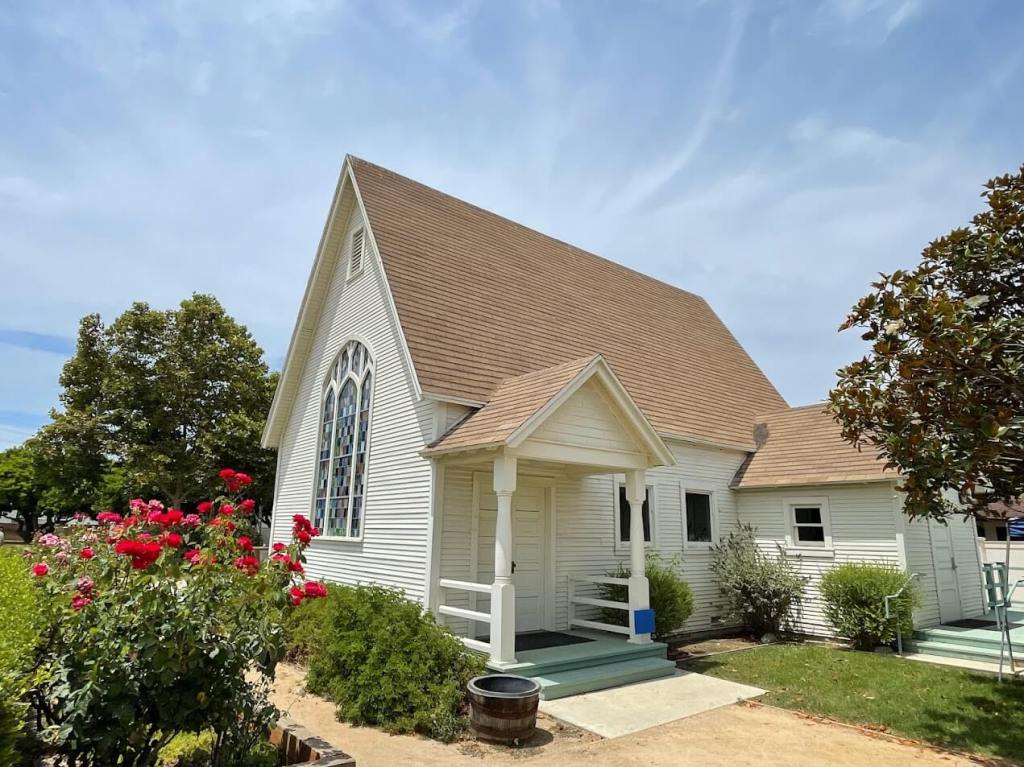
Built as a Presbyterian church in 1902, it’s the oldest church building in Simi Valley. It became a Catholic church in 1902 and served as a parish place until 1964.
Wood Ranch Barns
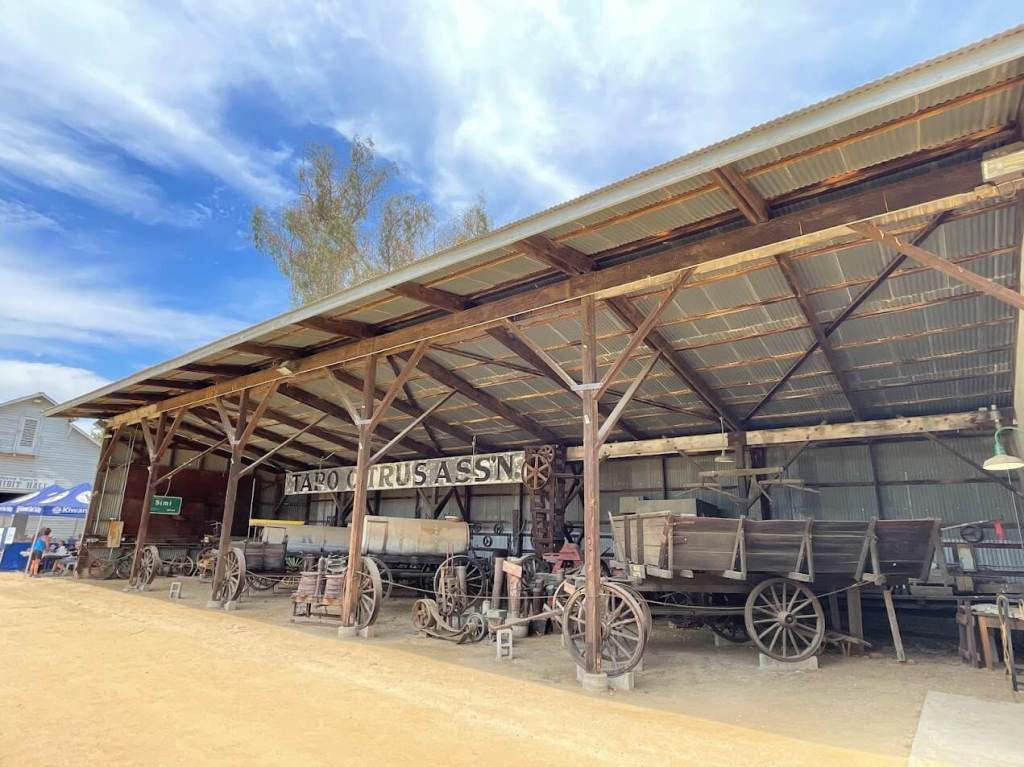
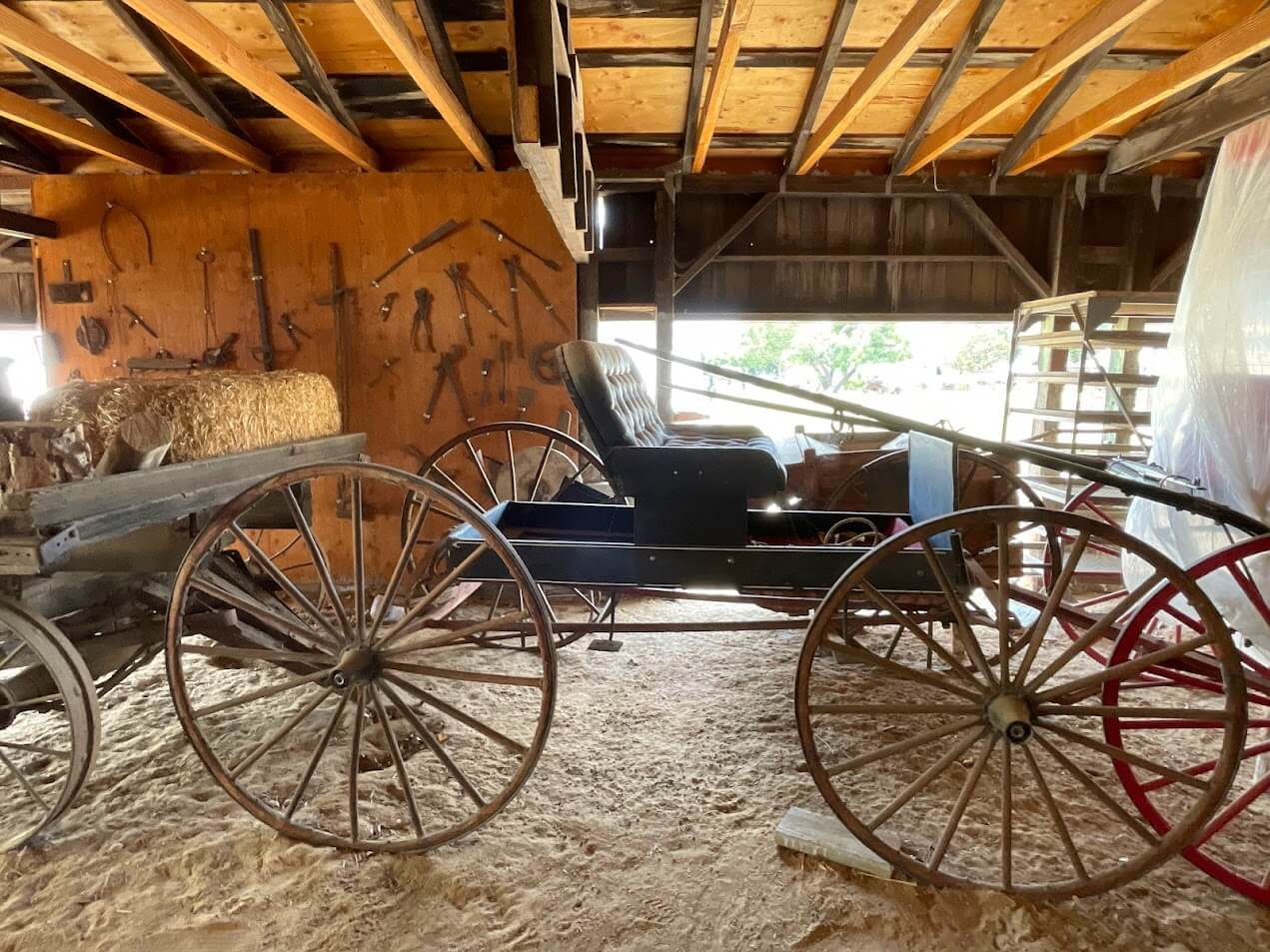
Built in the mid-1940s, the barns today house a collection of farm tools and provide a glimpse into historic farming practices.
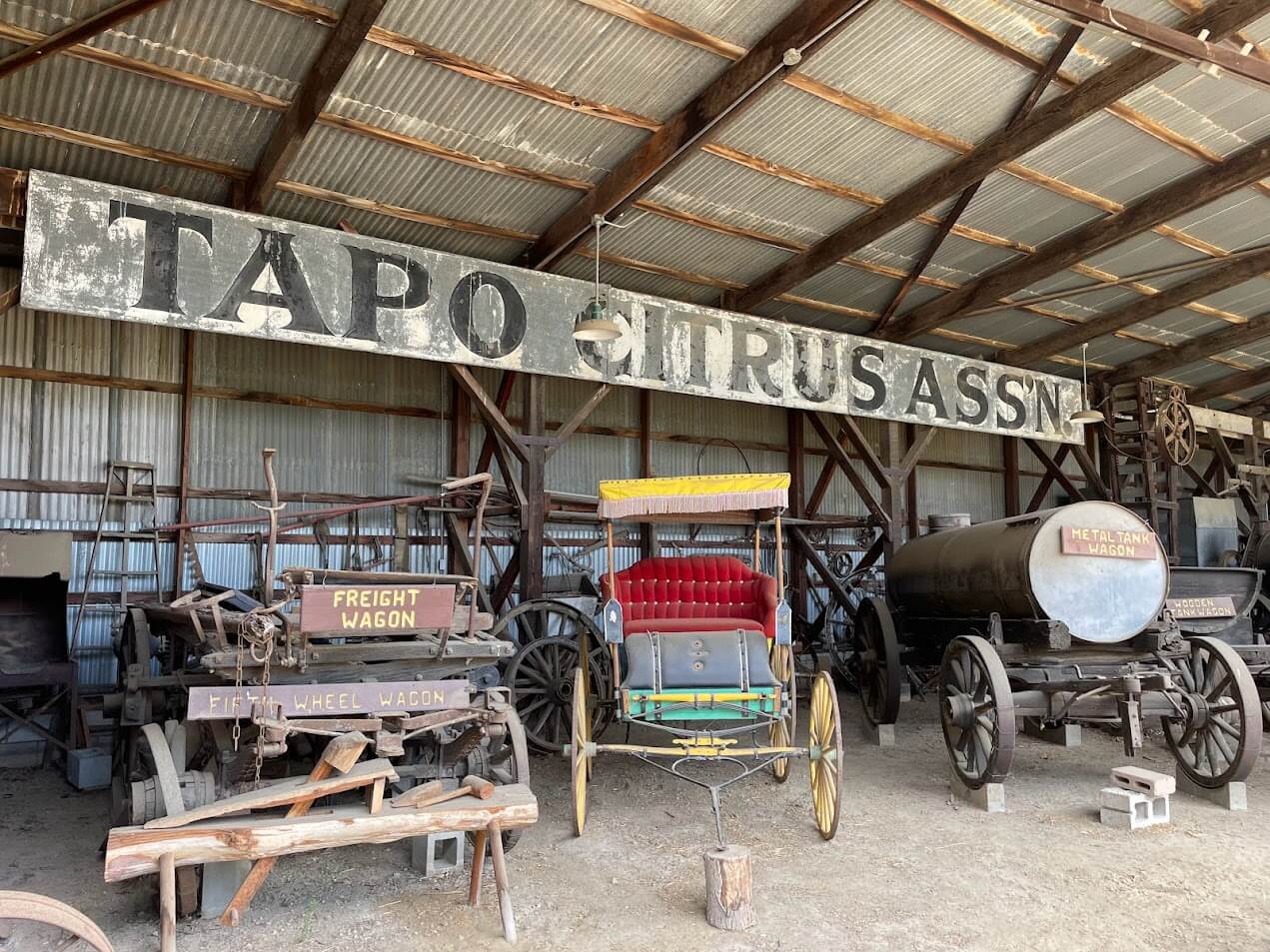
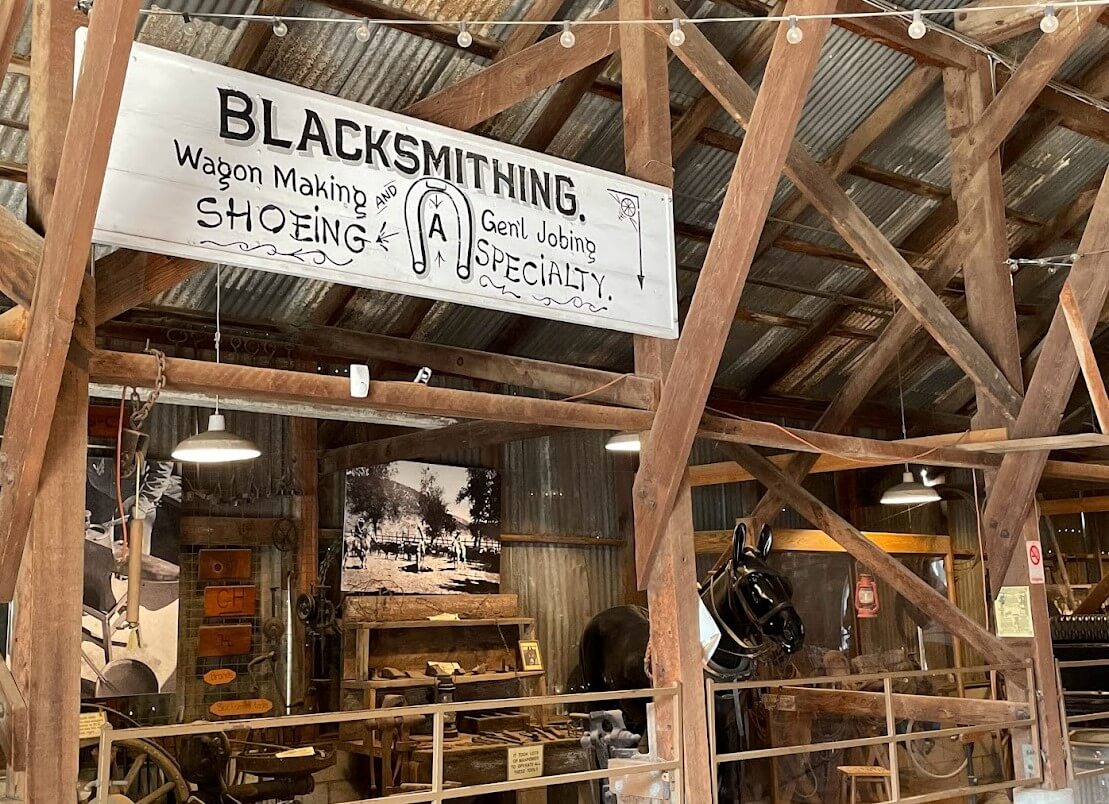
Article based on my visit in 2023.
Make sure to add this to your must-see list!
Plan your visit:
- Location: 137 Strathearn Place, Simi Valley, CA 93065
- Hours: 9:00 am – 3:00 pm Monday – Friday and 1:00 pm- 4 pm Saturday and Sunday. Closed during major holidays.
- Duration: I spent 2 hours discovering it.
- Admission: Free, donations accepted
- Parking: free parking lot
- More information is available at Strathearn Historical Park and Museum – Dedicated to preserving the history of Simi Valley.
If you enjoyed this post, please comment and share it with a traveler visiting Los Angeles.

 DayDream Under the Stars