

2-minutes read
The origin and true story of the undead. Between myth, sociological phenomenon, religion and fiction, uncover the story of Zombis and the secret of Haitian Voodoo societies.
Here is a look at” Zombis, Death is not the end?”
Understanding Zombies: Origins and Types
The meaning of zombies evolved from Africa to the Caribbean.
Originally from sub-Saharan Africa, the term “nzambi” refers to the ghost or spirit of a deceased person.
In Haiti, a zombie is a person transformed by Voodoo culture into a slave in the service of a sorcerer called a bokor. Zombification is worse than death.
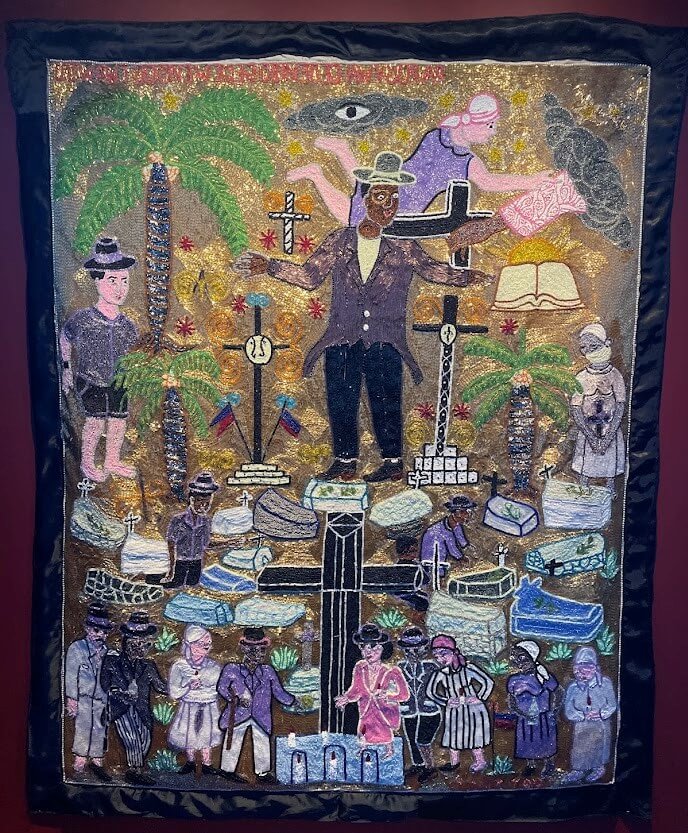
There are four types of zombies:
- The classic zombie
- This type refers to a person convicted of their crimes or infractions by a secret society.
- The criminal zombie
- There is no trial for a criminal zombie. For various reasons, someone might pay the sorcerer to zombify another person.
- The psychiatric zombie
- This term is used to describe a person suffering from psychiatric disorders who believes they have been zombified and have returned from the dead.
- The social zombie
- This type involves a stolen identity of a disappeared person. The social zombie is accepted by a family who pretends to recognize and welcome them back.

Haiti, Home of Zombies
In Haiti, the concept of zombies is a blend of sub-Saharan African traditions, the heritage of indigenous peoples of the Caribbean, the legacy of the slave trade, Voodoo culture, and Catholic religion.
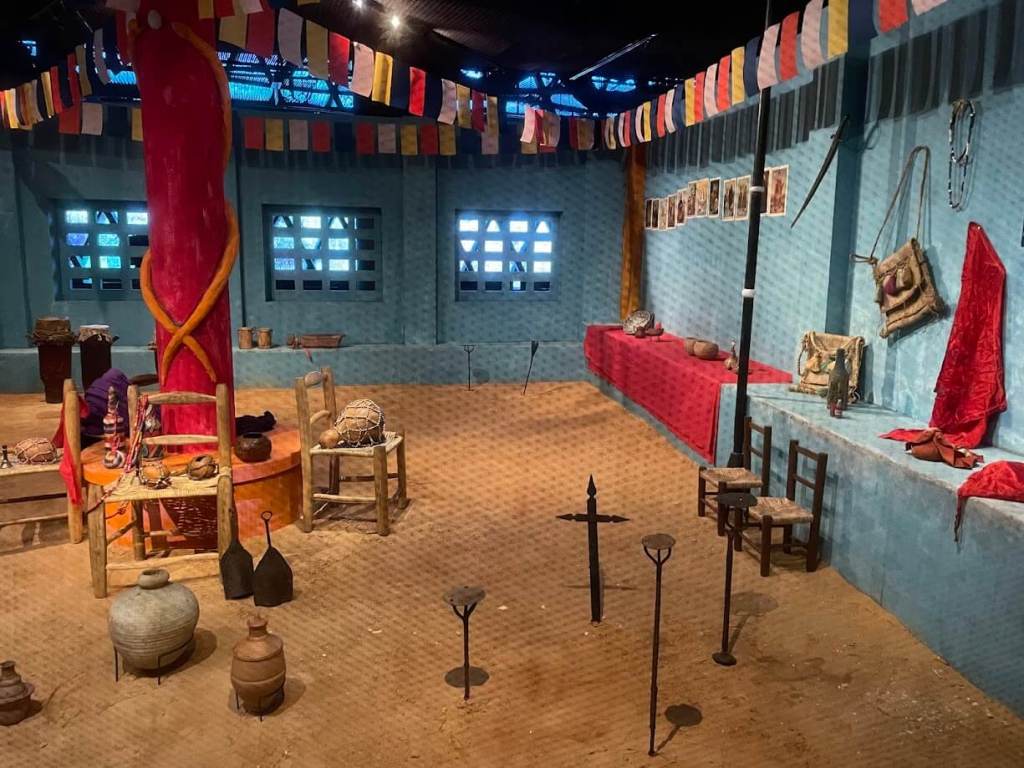
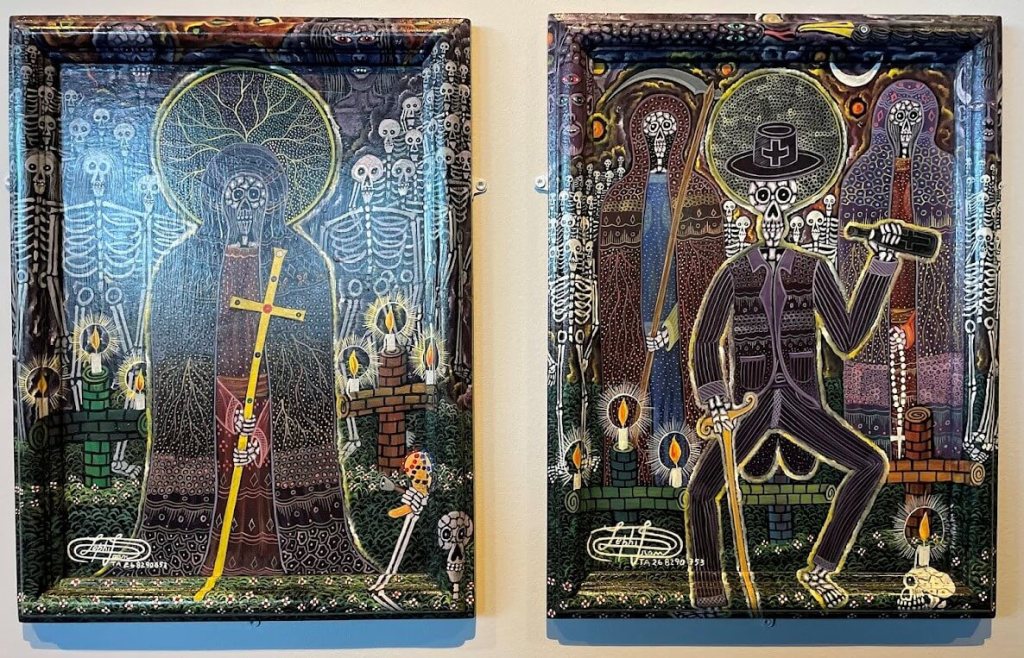
Zombification is a structured process. The sorcerer poisons the victim’s clothes by mixing toxic fish, venomous plants or animals, and human bones. Within a few hours, the victim appears dead. Then, the following steps are quickly set in motion: the death certificate is signed by two accomplices, and the victim is buried alive. During the night, the victim is exhumed, and an antidote is administered.


Drugged and deprived of salt, the victim lives in the service of the bokor. They can regain consciousness and eventually their freedom upon the death of the bokor or if they are deprived of drugs.
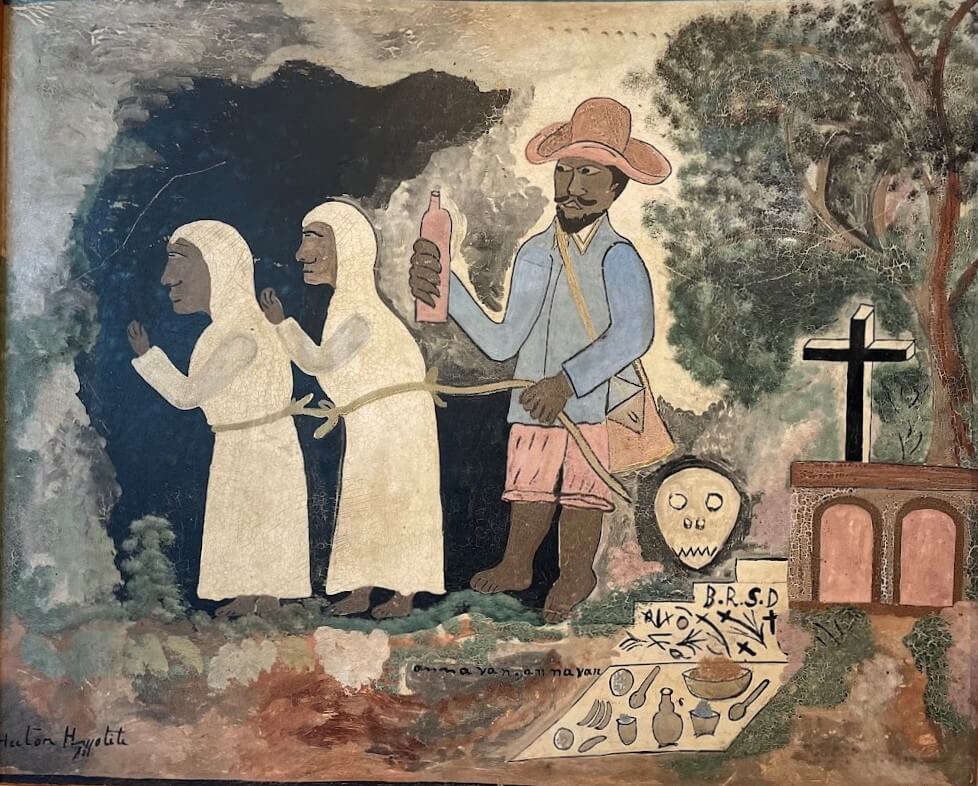
However, Western anthropologists and ethnobotanists are still investigating this process. According to recent research, the role of the poison used for zombification, called tetrodotoxin, may have only a minor impact on the entire process. Beyond toxicology, zombification seems to be mainly based on beliefs and traditions.

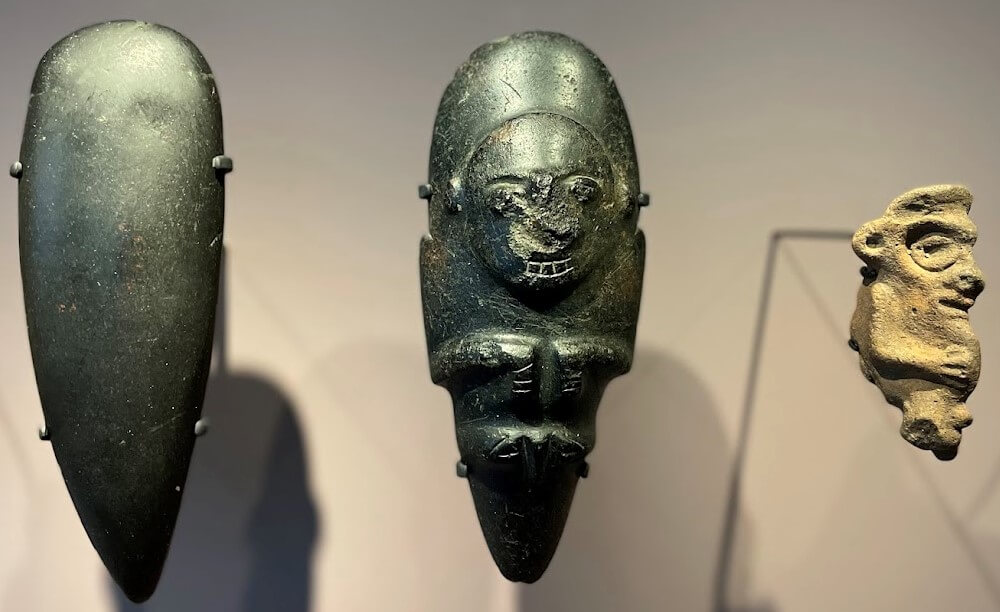
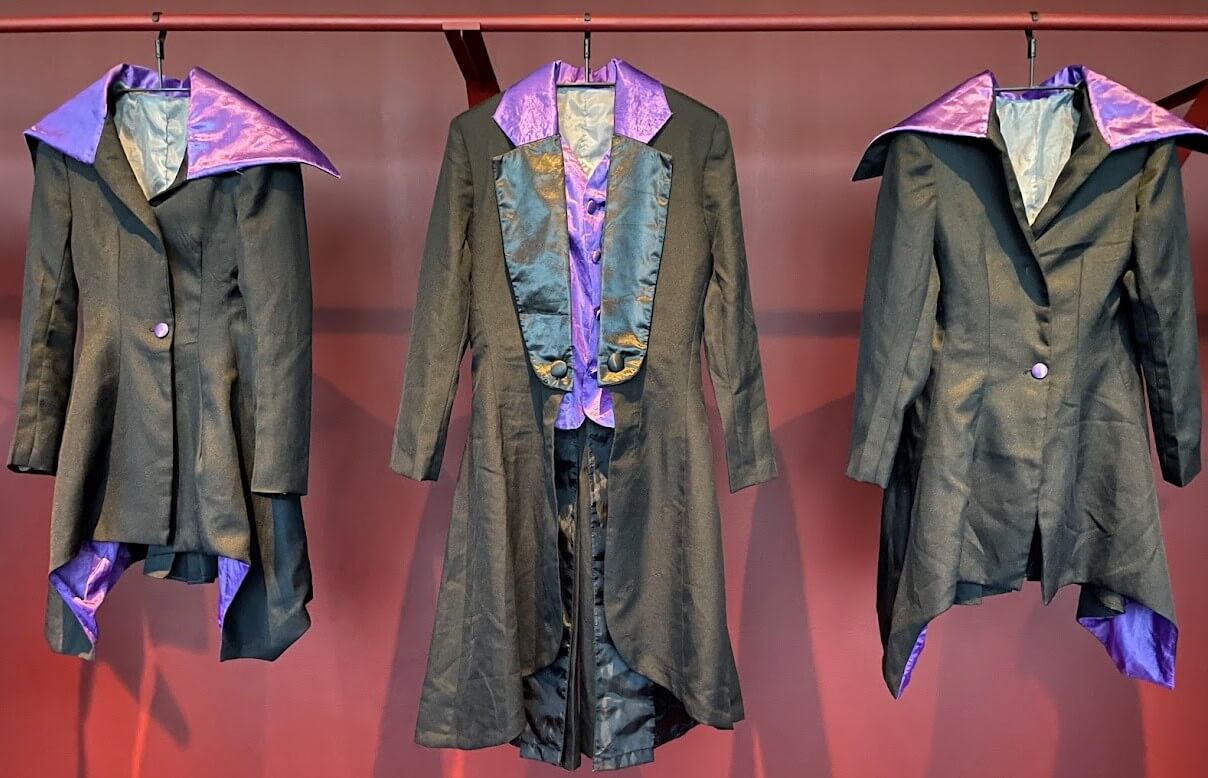
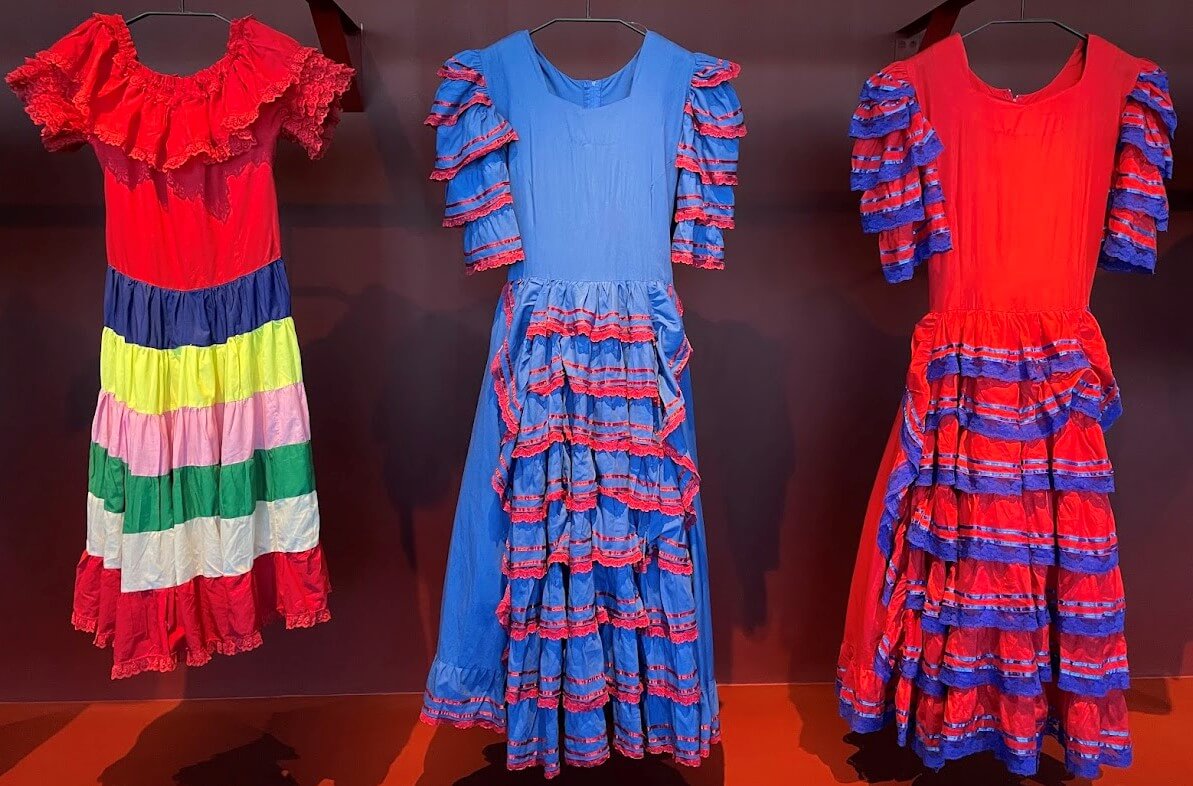
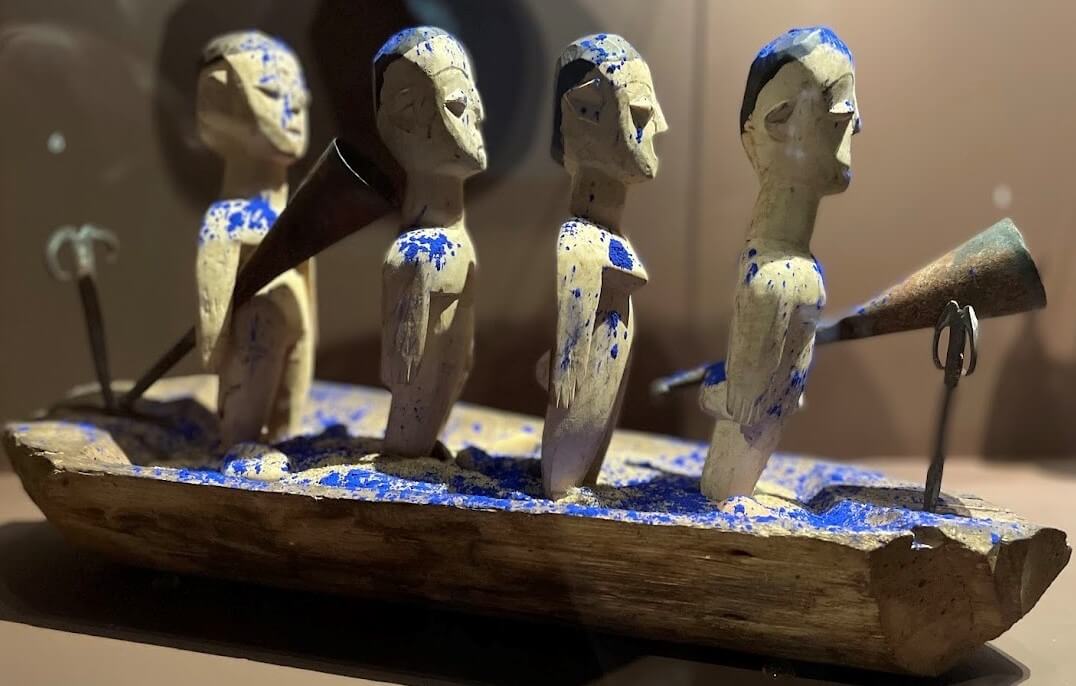
Did you know?
In Haiti, contact with a zombie does not result in becoming a zombie; no one has ever been bitten by a zombie and then transformed into one. This idea is purely a Western fantasy.
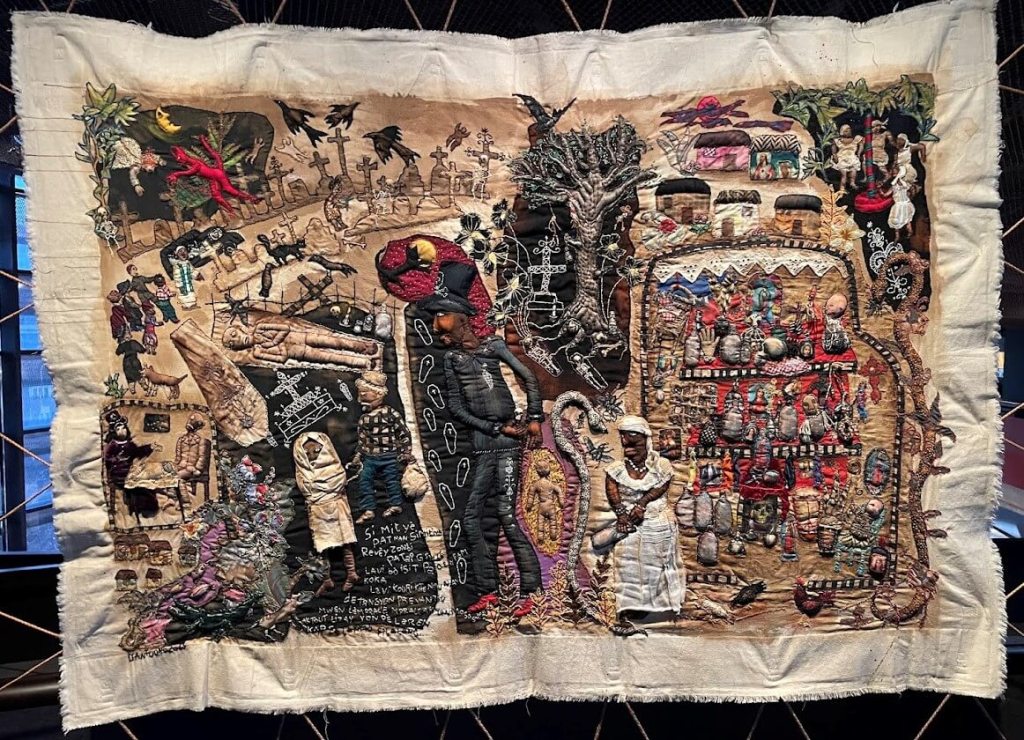
True zombie stories
The exhibit highlights three cases of zombification.

Eighteen years after his apparent death and zombification, Clairvius Narcisse reappeared to his sister in 1980. He claimed that his brother had zombified him due to a land sale dispute. He managed to escape when his bokor was killed. During his “second life,” he married and eventually died from pneumonia in 1994. Canadian anthropologist and ethnobotanist Wade Davis studied this case of zombification.

Francina Ileus, also known as Ti Femme, was a criminal zombie. Supposedly, her husband and/or family zombified her during her pregnancy. On February 23, 1976, she died from a fever and was buried in the family plot. Three years later, she reappeared in a dazed state. Recognized by her family, who found her coffin empty, she never regained consciousness and was sent to a psychiatric hospital in Port-au-Prince.
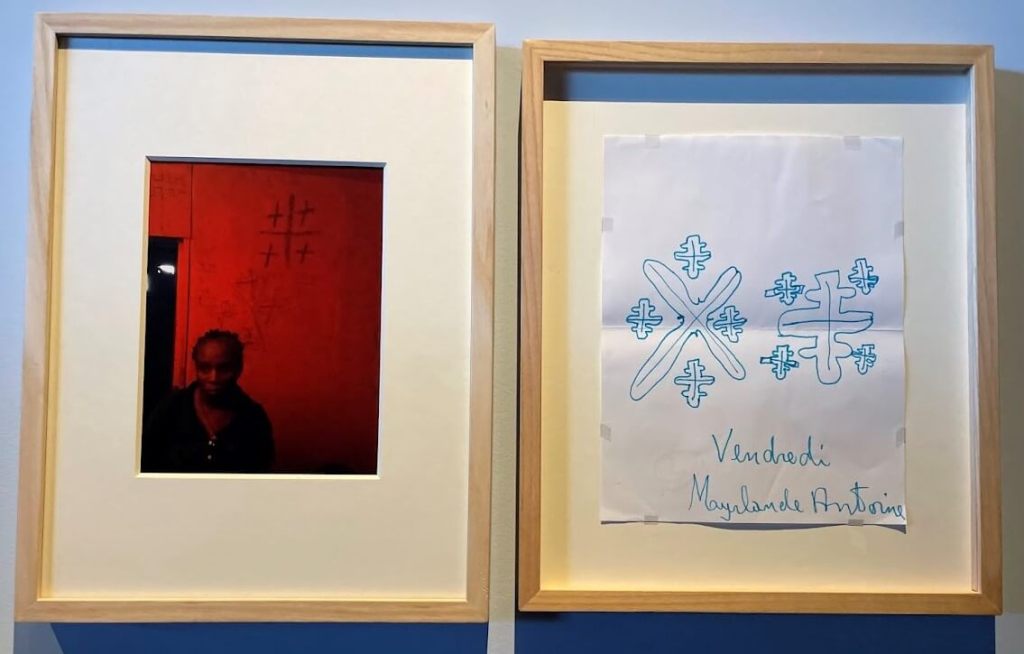
Adeline D was presumed dead the year before when her sister recognized her at a market. During her stay in the psychiatric hospital, she drew religious Voodoo symbols of the master of the dead, Baron Samedi, and his wife, Dame Brigitte, signing them as Mirlande Antoine, her zombification name. Then she disappeared again.
This article is based on my visit in February 2025.
Ready to explore Zombis?
Plan your visit:
- Location : musée du Quai Branly, 37 quai Branly, 75007 PARIS.
- Hours: 10:30 am-07:00 pm Monday-Sunday. 10:30 am-10:00 pm Thursday.
- Exhibit on view from November 21st, 2024 – February 13th, 2025
- Admission: 14 euros.
- Duration: I spent 2 hours discovering it.
- Parking: Metered street parking
- More information is available at https://www.quaibranly.fr/en/exhibitions-and-events/at-the-museum/exhibitions/event-details/e/zombis
If you enjoyed this post, please leave a comment 🙂

 DayDream Under the Stars