

2-minutes read
A Belle Époque phenomenon, discover the development and influence of posters as a new advertising medium in the late 19th century in France.
Here is a look at” Art is in the Street.”
New Urban Art in the Parisian Streets
With 230 artworks, the exhibit explores the rise of large, colorful French posters beginning around 1860. Even if official posters existed since 1539, the scale and development in the cities reflected a new social and economic change.

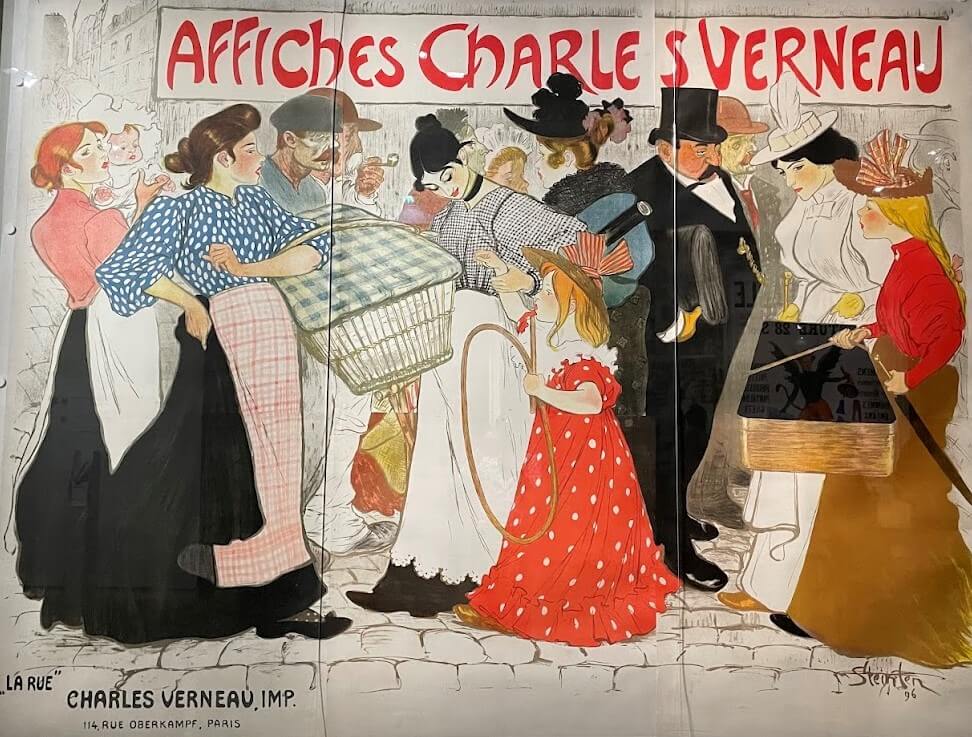


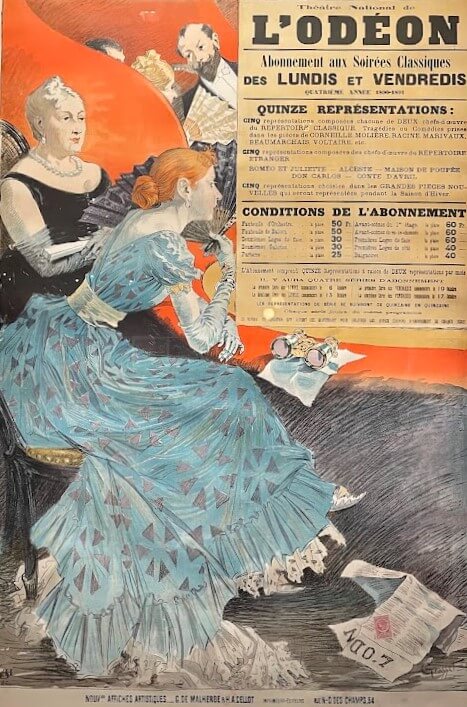
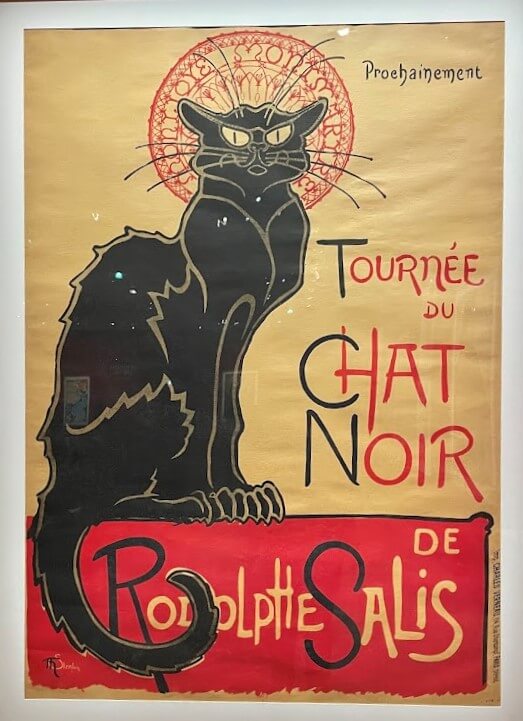

The exhibit begins with the origins of posters, tracing the development of lithography techniques and the mass production of posters.

The lithography technique consists of breaking down the image by color. The flat design is printed from one stone at a time, then, the final poster is reconstituted by adding back the different colored layers.
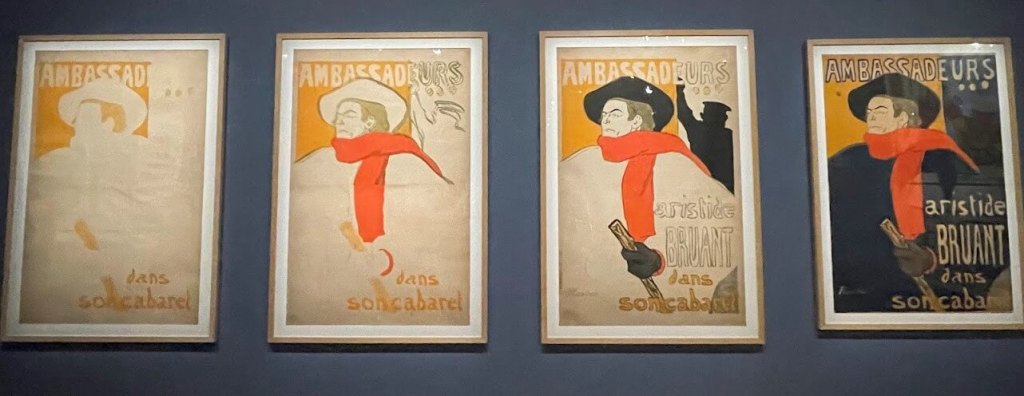
In 1840, Jean-Alexis Rouchon was one of the pioneers of the vibrant large posters. He was renewed for his lithography artistic technique.
Did you know?
Between concerns about visual pollution and appreciation for artistic impact, posters were a divisive topic at the time. While some viewed them as cluttering the urban landscape, others celebrated their creative and commercial value.


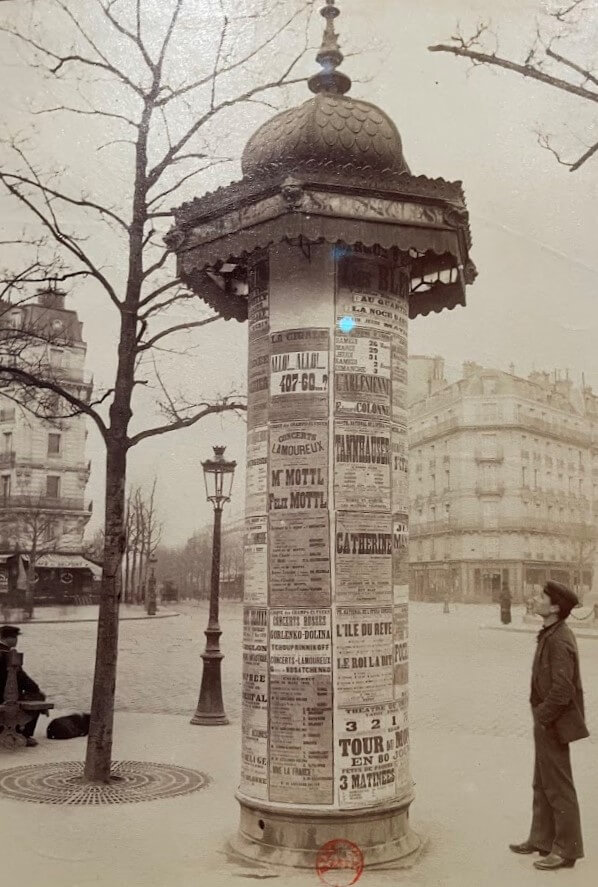


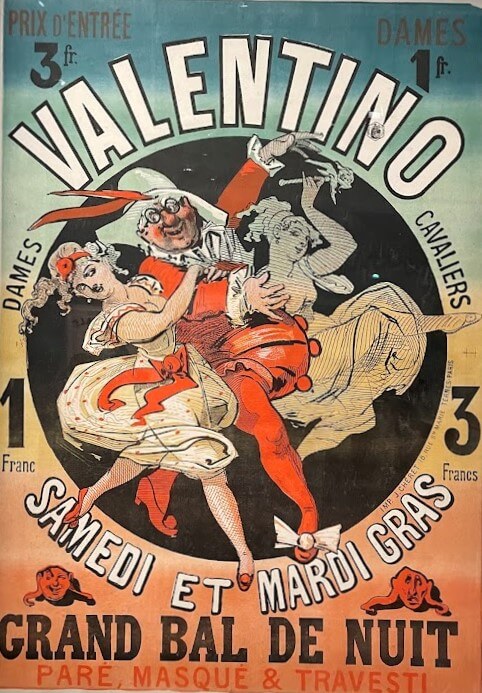
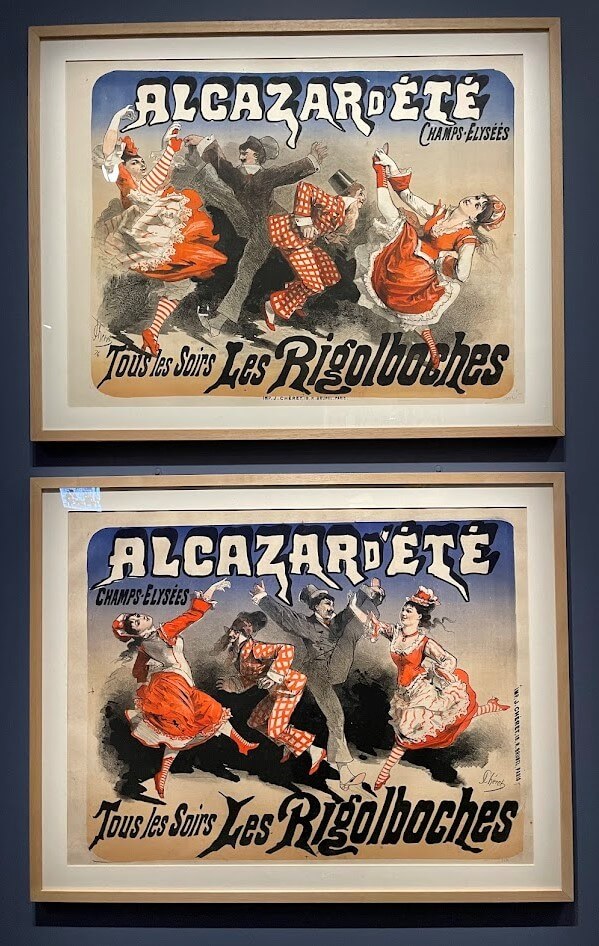
Alongside lithography workshops, many artists used this new platform to explore a new form of artistic and urban expression. Henry de Toulouse-Lautrec, Alphonse Much, and Jules Cheret were some of the most famous poster artists. They worked mainly for show businesses, and commercial advertisements developing specific styles and techniques.


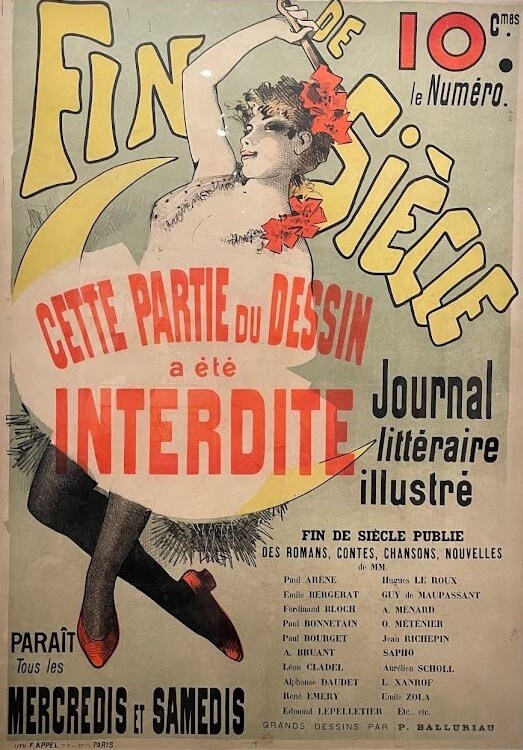
Finally, the exhibit explores the use of political posters as well as censorship and propaganda.

Did you know?
Female billstickers were rare, and their appearance on postcards was described by the Gabert company as “fantastically cheap publicity.”

My Highlights
Commercial advertising
In the mid-19th century, commercial advertising expanded rapidly, particularly with the rise of novelty shops in Paris. Within just thirty years, their number surged from 300 in 1830 to over 1,300. During this period, posters emerged as a powerful mass medium, used to promote a wide array of products and services to the general public.

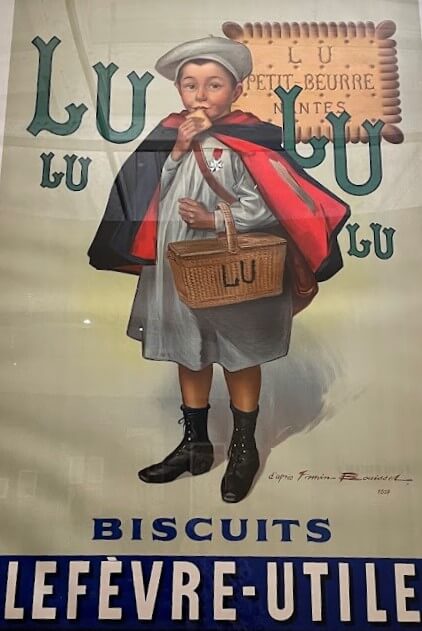
In 1883, French writer Émile Zola famously referred to these posters as the “cathedrals of modern commerce” in his novel Au Bonheur des Dames.
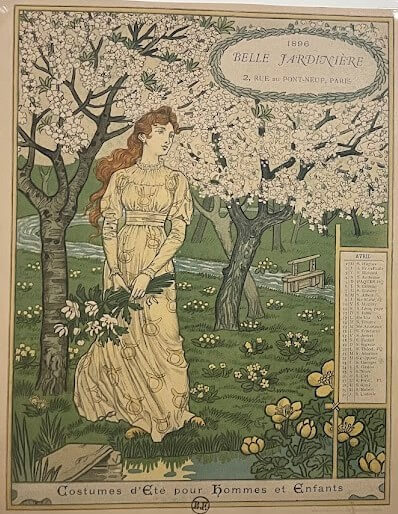
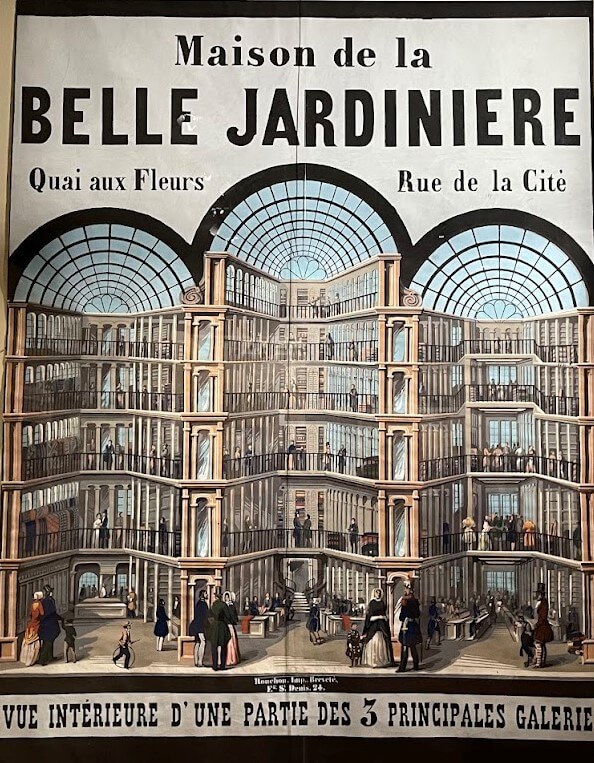
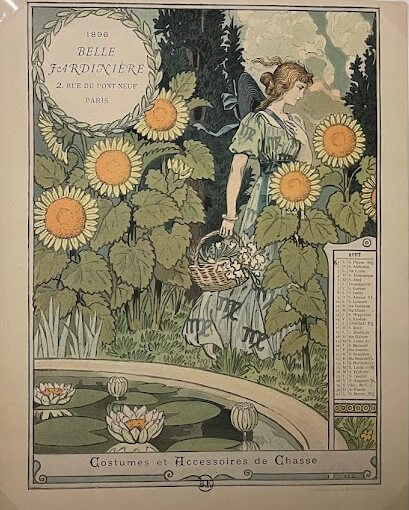
The posters featured below advertised a diverse range of goods and services, including food and beverages, travel, and various businesses.


Alphonse Mucha and Sarah Bernard
Actress Sarah Bernhardt was a pioneer in personal branding. In the 1890s, she collaborated with artist Alphonse Mucha to create iconic posters that idealized her image and symbolized her stage roles. These works blended art and advertising, reinforcing her status as a cultural icon.


This article is based on my visit in April 2025.
Ready to explore poster Art?
Plan your visit:
- Location: Musée d’Orsay, Esplanade Valéry Giscard d’Estaing, 75007 Paris.
- Hours: 9:30 am-06:00 pm Tuesday-Sunday. 09:30 am-09:45 pm Thursday.
- Exhibit on view from March 25th, 2025 – July 27th, 2025
- Admission: 16 euros.
- Duration: I spent 1 hour discovering it.
- Parking: limited metered street parking
- More information is available at https://www.musee-orsay.fr/en/whats-on/exhibitions/art-street
If you enjoyed this post, please leave a comment, and share it with an art lover.

 DayDream Under the Stars